Education & EdTech
Our patent work in education has covered AI for educational content analysis and adaptive learning, including learning-data processing and the systems that support these services.
CureaTuringVollabIEA
We start with the technology: data, model architecture, training, inference and deployment. That analysis informs application drafting, prosecution, portfolio strategy and our assessment of third-party rights.
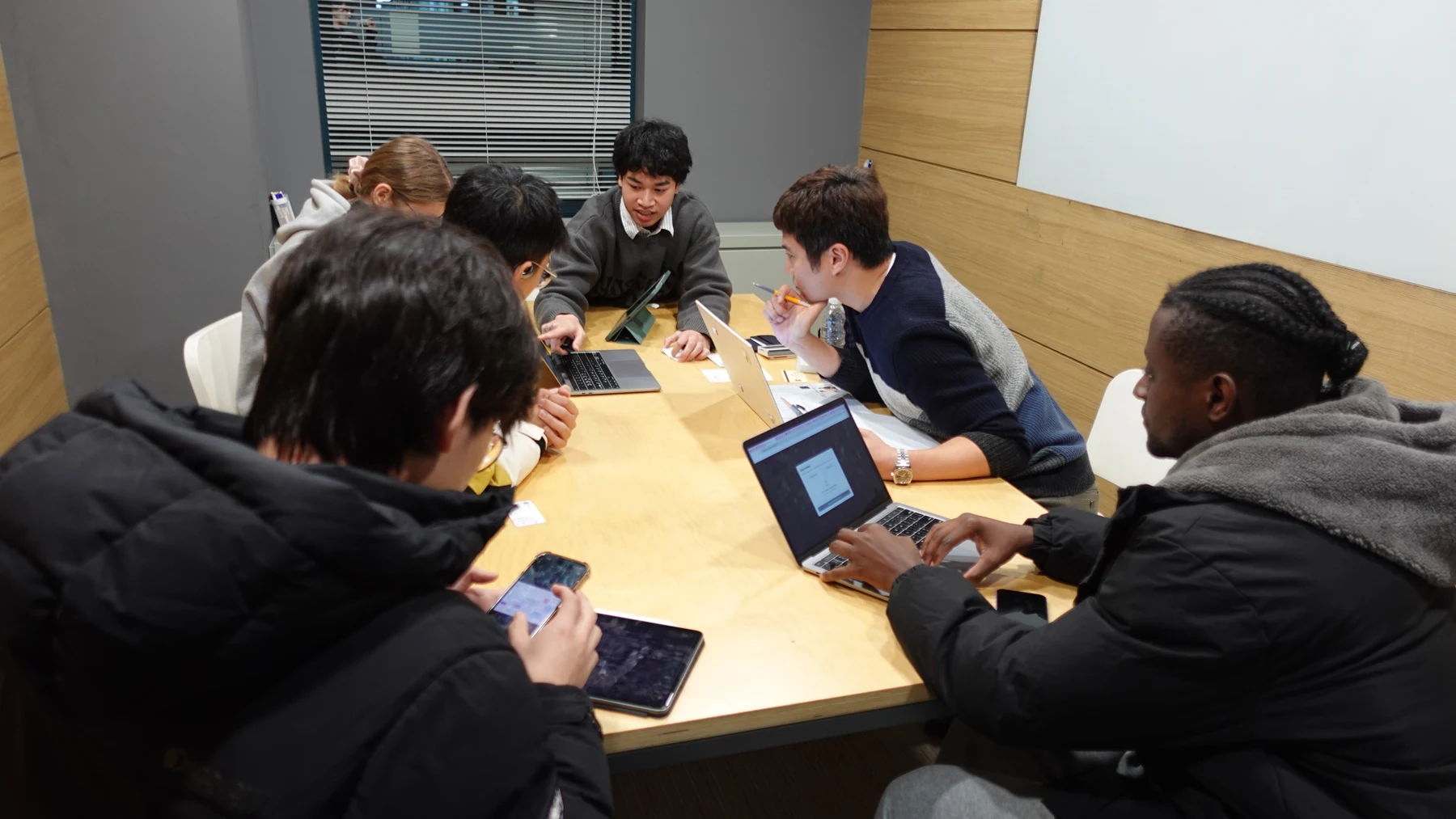
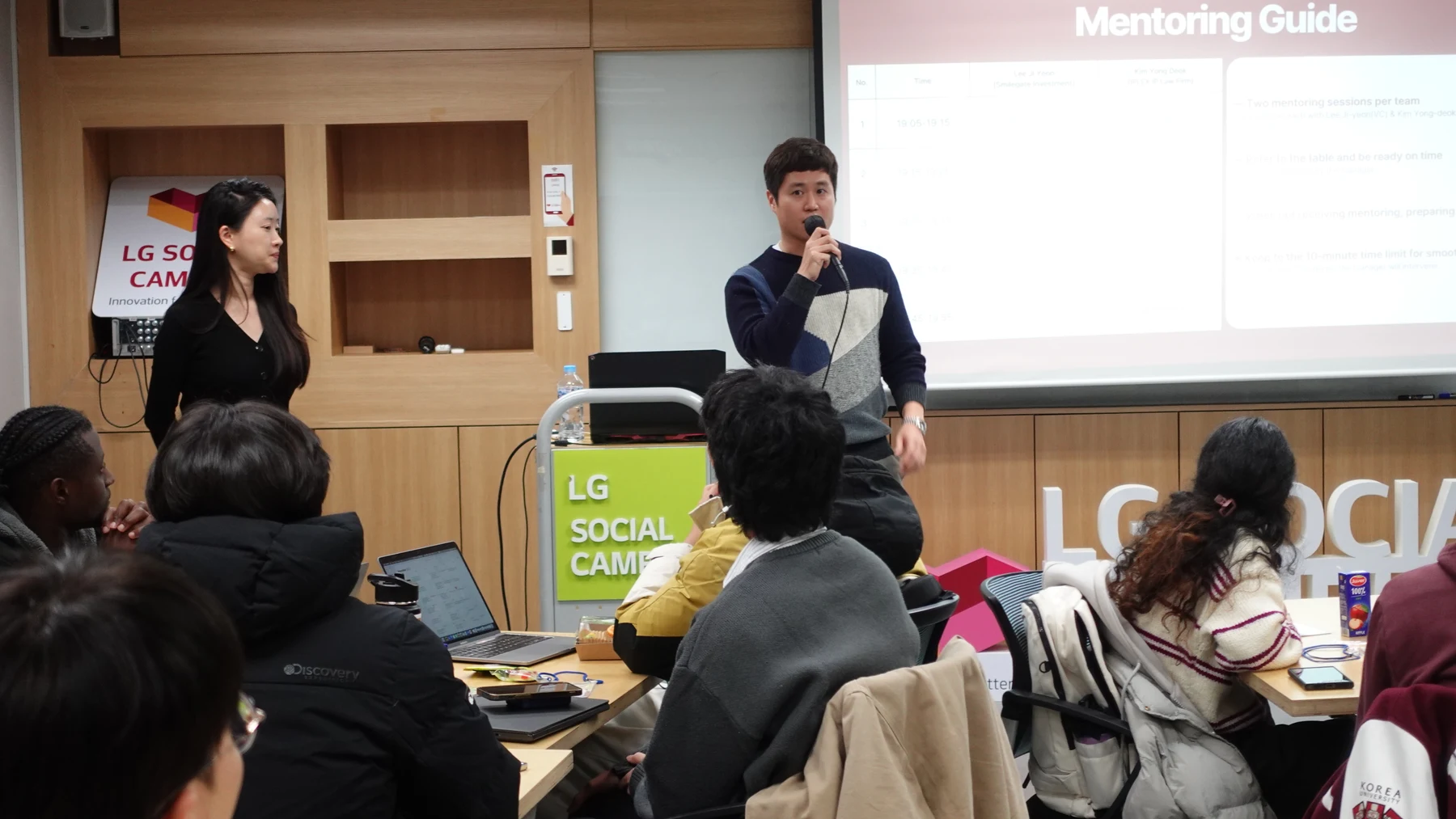
Photo: Yongduck Kim mentoring a startup team
Our AI and software patent practice spans education, healthcare, manufacturing, generative AI and robotics. Below, we outline the technologies we have worked on and the clients we have represented in each sector.
Our patent work in education has covered AI for educational content analysis and adaptive learning, including learning-data processing and the systems that support these services.
We have handled patent applications arising from university research in AI and machine learning, identifying inventive contributions and drafting specifications and claims.
Our healthcare patent work has involved AI used in medical data processing and analysis, digital therapeutics, and software for treatment and health management.
We have handled patent matters concerning AI for condition monitoring, anomaly detection and operational optimization in livestock farming, construction and manufacturing. This work has included sensor-data analysis, control technologies and decision-making systems.
Our patent work in computer vision and signal processing has covered AI for recognizing objects and their states in images and analyzing digital signals. We have worked on processing architectures spanning data preprocessing, inference and the use of model outputs.
We have handled patent matters for LLM-based services, covering the selection of retrieval sources, context assembly, integration with external tools and verification of generated outputs.
Our work includes patent matters in communications and robotics, alongside AI and software matters in financial services. The technologies involved include control logic, network architectures and financial data processing.
We have handled IP matters for games and digital content services, with work covering server-side and client-side processing, interfaces and content-delivery software.
MakinaRocks · BISTel
VUNO · SUALAB · SI Analytics
SELVAS AI · Baidu · Xiaomi · Tmax group companies · Netmarble · Kakao Games
LG Electronics · Samsung Electronics
Different inventions can build on the same underlying model. We examine the data flows, processing steps and controls that distinguish your implementation and the technical effects they produce.
Assess the inventive features in retrieval selection, reranking, filtering, context construction and preprocessing.
Analyze how the system provides information to the LLM and coordinates external APIs and tools.
Examine how an agent selects tools, sequences tasks and handles approvals, failures, retries and exceptions.
Assess how verification and correction affect downstream operations and the system's technical performance.
We look beyond the model name to identify potentially patentable features, the technical effects they produce and the disclosure needed to support the claims.
We examine acquisition, selection, augmentation, labeling, preprocessing and feature extraction. Rights in the underlying data are assessed separately from patent protection for the processing technology.
We assess architecture, training objectives, loss functions, fine-tuning and reinforcement learning, linking performance improvements to the features that produce them.
We analyze retrieval and generation, inference paths, memory and latency management, on-device deployment and device control, including improvements built around publicly available models.
We analyze prior patents, research literature and your development roadmap to inform portfolio strategy, while keeping protection of your inventions distinct from freedom-to-operate analysis of third-party rights.
Selected projects undertaken by Yongduck Kim at IPLEX and in his previous practice.
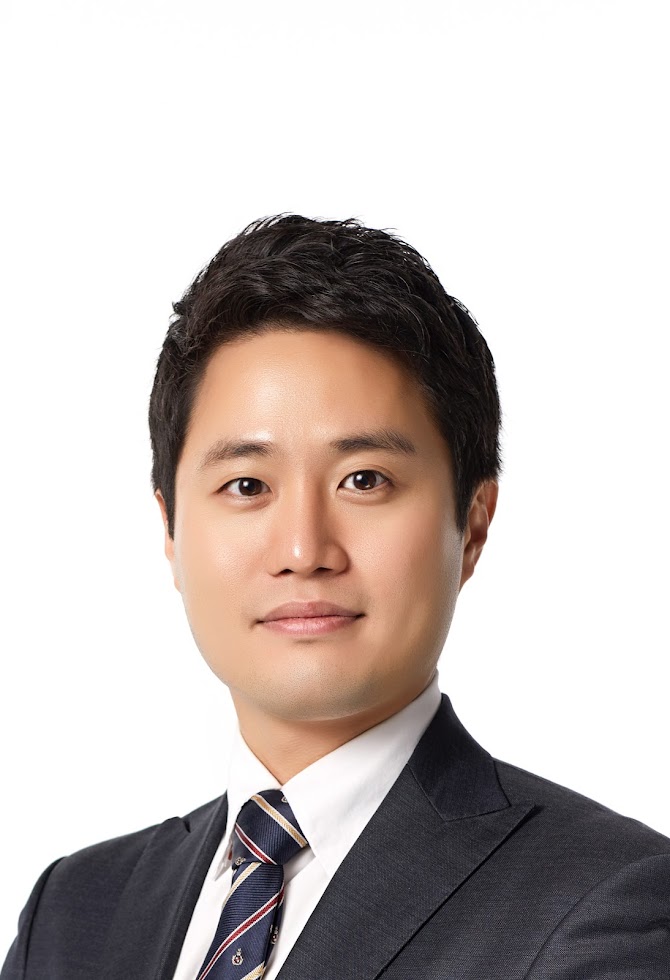
Yongduck Kim brings a background in information, communication and electronic engineering to his AI and software patent practice. He holds a B.S. from Soongsil University and passed the 50th Korean Patent Attorney Examination.
Full experience & publications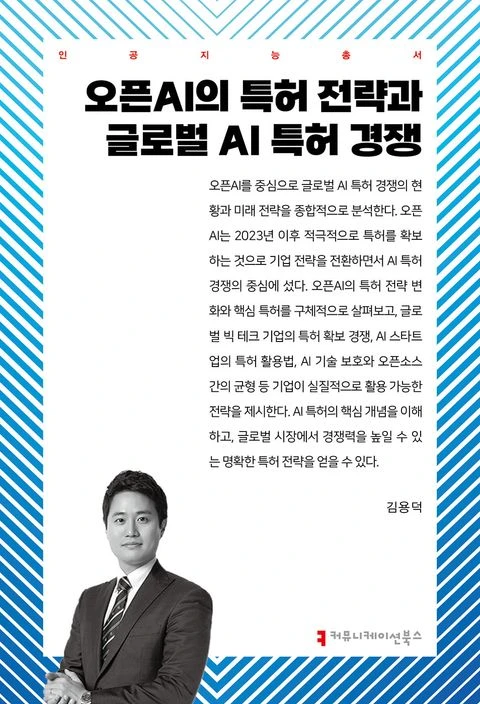
Examines global AI patent strategies, startup IP use and the relationship between patents and open source.
Read publication newsView book ↗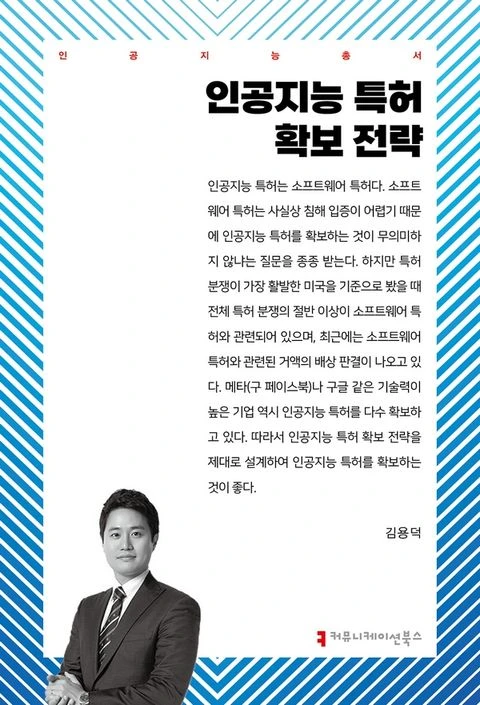
Explores patent considerations across data, preprocessing, training, network modules and AI applications.
Read publication newsView book ↗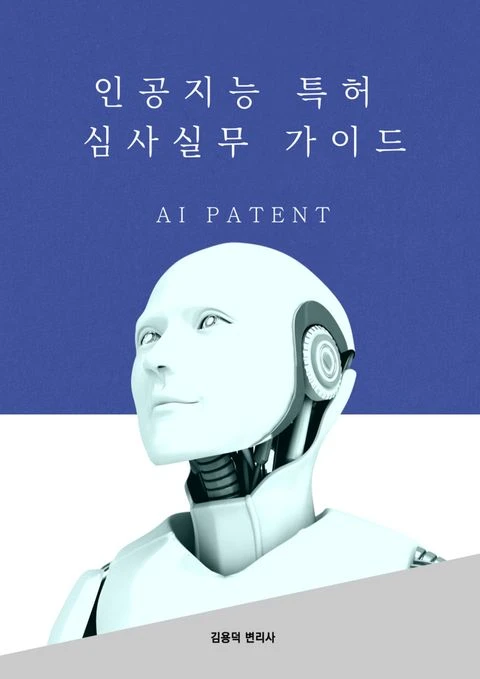
A guide to patent examination practice for AI technologies.
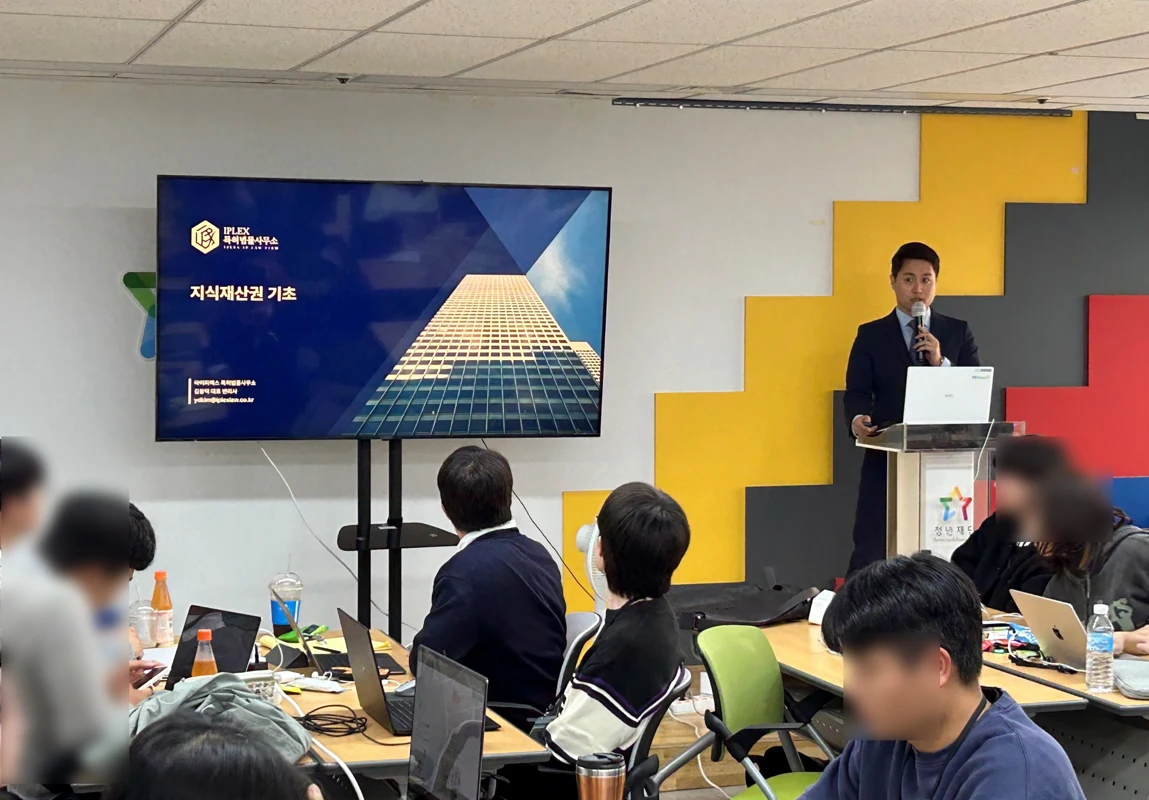
Read publication newsView book ↗Our lectures and mentoring help technology businesses work through the IP decisions that arise during development, protection and commercialization.
80 articles
No matching articles. Try a different search.
You do not need a draft patent application to start the conversation. An outline of your technology, its distinctive features and your development timeline helps us identify the key issues and agree on how to review the supporting materials.
Contact the office ↗Using a publicly available model does not rule out patent protection. The assessment turns on the specific improvements in processing, integration, control, training or inference, considered against the prior art and applicable disclosure requirements.
Bring an outline of the technical problem, data and processing flows, differences from existing approaches, comparative results and any planned disclosures or launch. Relevant papers and patent documents are useful. We can agree how to exchange more detailed materials after the initial inquiry.
There is no universal requirement to disclose all code or weights. The application must nevertheless explain the invention sufficiently, including information necessary to implement its essential features and support the claims.
Patent prosecution focuses on securing protection for your technology. FTO analysis assesses third-party rights in specific countries, at a defined time and for a particular product configuration. Owning a patent does not itself eliminate infringement risk.
Yes. Our work addresses data processing, training, inference and implementation across generative AI, manufacturing, medical imaging, biosignals and automotive radar.
It may lie in retrieval selection, evaluation, reranking, filtering, context construction or the transfer of information to the LLM. Distinctive methods of verifying or correcting output also merit analysis.
Explain the control flow: tool selection, task sequencing, API execution, user approvals, error handling, retries and output verification. These details help identify the technical contribution and the appropriate scope of protection to consider.