
A high survey percentage is useful only if the survey measures the legally relevant perception. Pharmaceutical trade mark disputes require care over the public surveyed, the signs shown and the circumstances of observation.
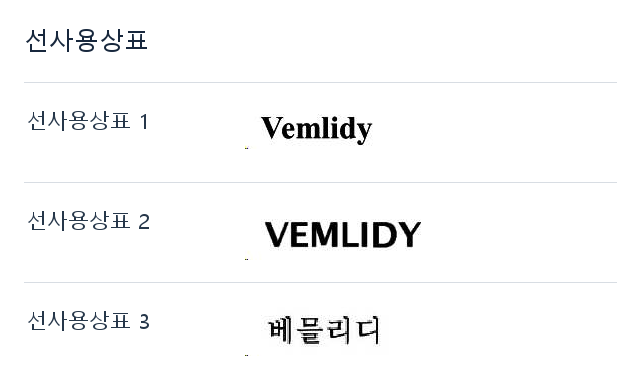
On 4 February 2026, the Korean Patent Court cancelled five decisions dismissing invalidation requests in cases 2025Heo10420–10424. The dispute concerned Vemlidy, VEMLIDY and the Korean form of the name, compared with five registrations for generic products.
The marks and the procedural background
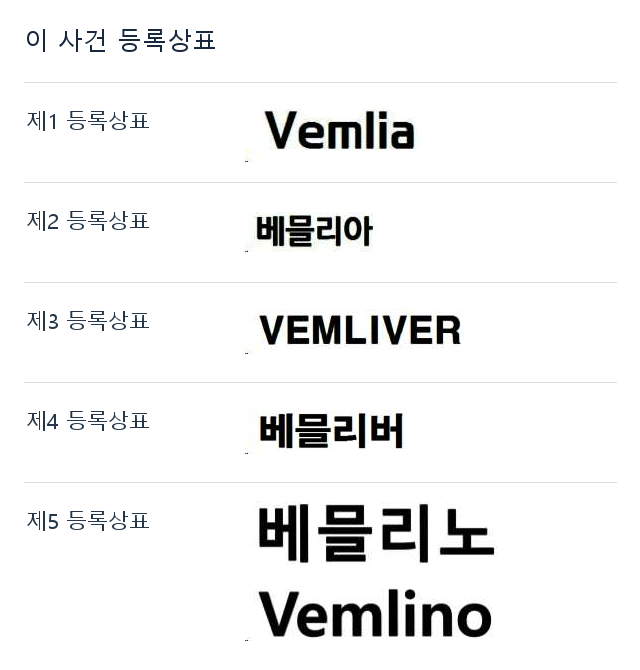
The challenged signs included Vemlia and its Korean form, VEMLIVER and its Korean form, and a combined Korean/Latin Vemlino mark. The Intellectual Property Trial and Appeal Board had dismissed all five invalidation requests on 24 April 2025, finding the signs dissimilar. The court reached the opposite conclusion.
The relevant public and assessment dates
The medicines actually sold were prescription products, but the designated goods at the relevant dates included non-prescription as well as prescription medicines. Ordinary consumers therefore remained relevant alongside doctors and pharmacists. Later renunciation of some goods did not retrospectively narrow the comparison.
Under the former Korean Trade Mark Act, Article 34(1)(7) was assessed at the registration-decision date, whereas Article 34(1)(13), involving bad faith and an earlier recognised sign, was assessed at filing. Actual prescribing practice alone did not replace the designated-goods analysis.
Was VEM a weak medical abbreviation?
The defendants relied on “vaccine escape mutant” and related expressions. The court found neither consistent abbreviation practice nor direct recognition of VEM as describing the medicines’ function. Other meanings of VEM existed, and even an association with the longer medical expression required additional reasoning.
A recognition survey reported that 97% of ordinary respondents and 95.2% of doctors and pharmacists did not know or had not heard VEM. Asking about the full medical expression, as the defendants did, did not test the same perception. Products containing the same active ingredient also used names without VEM. The shared element could not simply be discounted as non-distinctive.
Why the differences did not avoid similarity
The Korean names shared their first three of four syllables; the Latin signs shared their first five letters. Differences at the end and in typeface were insufficient in the overall comparison. Naming practices for generics, the active ingredient and the display of a manufacturer’s name did not necessarily remove source confusion.
Search suggestions displaying several names after a VEM-related query were also considered. The court evaluated the signs and trading circumstances together, rather than assuming that professional attention always prevented confusion.
What the two survey designs measured
The claimant presented the marks sequentially and asked separate questions about similarity and possible confusion. For VEMLIDY/VEMLIA, 81.6% of ordinary consumers and 58.7% of professionals reported possible confusion. That survey sampled 500 ordinary consumers and 300 professionals; it was separate from the VEM-abbreviation recognition survey.
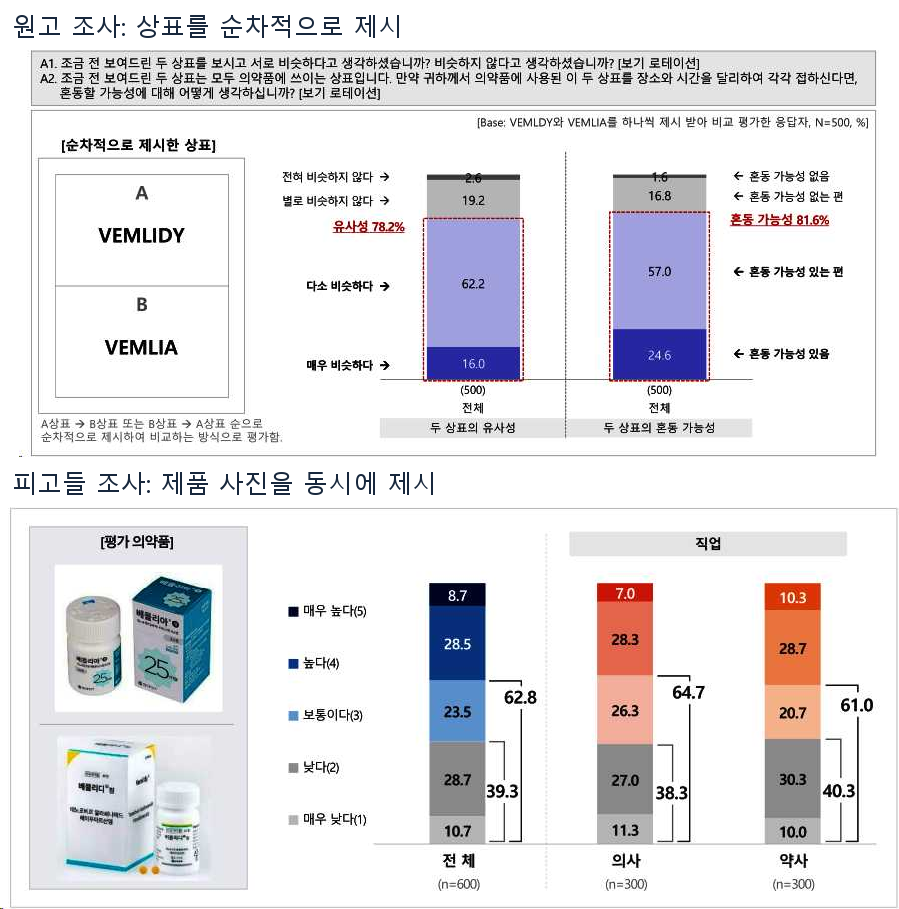
The court did not reject the claimant’s results merely because similarity was asked first or a neutral answer was absent. It considered the wording, whether earlier answers were prompted, and differences in response patterns. By contrast, the defendants displayed packaging and full product photographs side by side. That did not adequately reproduce encountering marks at different times and places, and the online viewing duration was unclear.
Recognition, bad faith and the outcome
US and Korean sales, rapid growth, promotion and the product’s position as a successor medicine supported recognition of the earlier signs. A relatively short period of use did not by itself defeat that finding.
The defendants knew of the earlier marks through marketing-authorisation application notices. Modification of a creative coined name, identical or similar medicines and the surrounding circumstances supported an intention to take advantage of its reputation. The court found grounds under both Article 34(1)(7) and (13) and cancelled all five trial decisions. The judgment’s order was cancellation of those decisions, not a separate declaration that every registration had already become finally invalid.
Preparing naming and survey evidence
Identify the relevant consumer groups and distinguish recognition of an abbreviation from confusion between particular marks. Decide whether to show the sign or the whole product, how to present successive images and how long respondents can inspect them.
For a proposed medicine name, document the naming process and evidence of how the public understands any claimed ingredient or industry-derived element. Survey percentages need to be connected to the legal question and the actual comparison.
The original figure labels and forms are preserved; the text explains the source material.