
In case 2026Heo10085, decided on 12 November 2026, Korea’s Patent Court found that the shared words NO MORE PIZZA did not make two composite marks confusingly similar. Their role within each mark, together with actual trading practice, was decisive.
The NO MORE PIZZA application and refusal
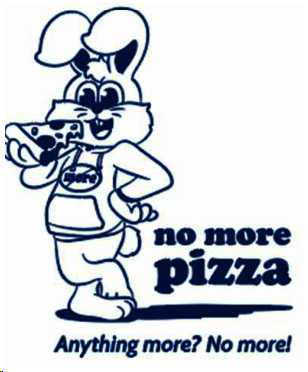
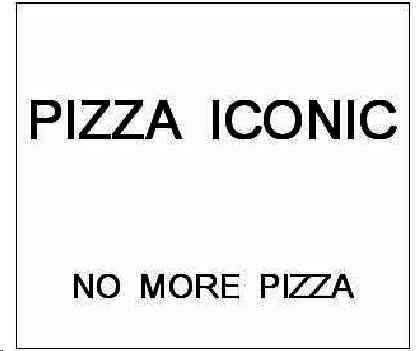
Application No. 40-2023-0014366, filed on 26 January 2023, combined a pizza-holding rabbit with bold “no more pizza” lettering and designated Class 43 restaurant and pizza-shop services. The cited earlier registration, No. 301684, displayed PIZZA ICONIC prominently above smaller NO MORE PIZZA wording inside a frame. The examiner refused registration on 30 September 2024, and the tribunal upheld that refusal on 28 January 2026 in proceeding 2024Won2244 under Article 34(1)(7) of the Korean Trademark Act.
A dominant element serves the overall comparison
Marks are assessed through appearance, sound and meaning; a component may be compared separately when it independently identifies origin. This is not a licence to extract every shared word. Visual prominence, distinctiveness, the relationship between elements and the designated services matter together. In the application, the rabbit and bold “no more pizza” were prominent, while the small bottom line “Anything more? No more!” contributed little.
Why PIZZA ICONIC dominated the earlier mark
PIZZA ICONIC was large and visually prominent. Placing the adjective after PIZZA gave it an unusual structure, suggesting representative or symbolic pizza or functioning as a brand name. The smaller, thinner NO MORE PIZZA line, separated below, was understood as supporting the main expression: with this pizza, no other pizza was needed. The court treated PIZZA ICONIC as the earlier mark’s dominant element and did not regard the lower line as a second independent source identifier.
The marks differed when properly compared
The application’s rabbit and “no more pizza” differed visually from PIZZA ICONIC in letters, typography and figurative presentation. “No more pizza” and “pizza iconic” also sounded different and conveyed different ideas. The court therefore found no relevant confusion between the marks. It did not hold that the services were dissimilar; the difference between the signs was enough to reject this refusal ground.
What the evidence of use showed
From about January 2015 to June 2023, the earlier business used PIZZA ICONIC on its sign, “pizzaiconic” for Instagram and the corresponding Korean name on a delivery platform. Television coverage and customer reviews also used that name, with recognition persisting after the sign changed. Some references combining the two expressions and search results showing both businesses did not establish independent recognition of the lower wording or outweigh the evidence as a whole.
Lessons for brand presentation and disputes
Keep records showing how the public encounters the brand consistently over time; isolated search screenshots rarely tell the whole story. Font, size, spacing and the relationship between a name and a slogan can affect the dominant-element analysis. The outcome does not mean that all promotional phrases are weak: it depended on these marks and their use. The court annulled the tribunal’s decision maintaining refusal.
The original figure labels and forms are preserved; the text explains the source material.