
An actuator produces motion, while a branch pipe divides or combines fluid streams. On 28 October 2026 the Korean Patent Court examined whether buyers encountering similar PMC marks on those different components could think they came from the same business. The answer depended on how the components were supplied and used.
The PMC application and the earlier registration
On 9 August 2023 the applicant filed No. 40-2023-143484 for a device combined with the letters PMC. Its specification covered electric actuators and linear actuators, in each case as machine parts in Class 7.

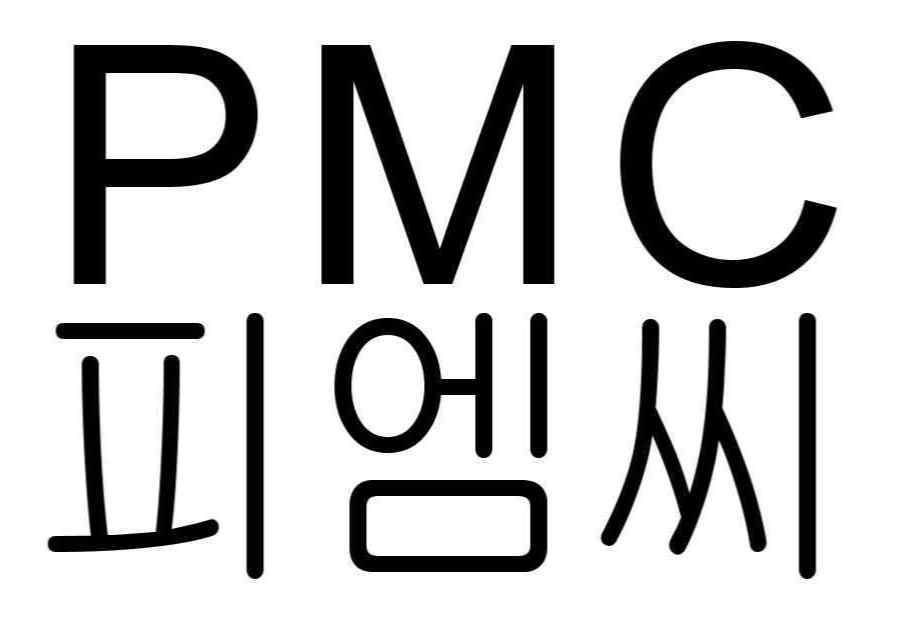
Earlier registration No. 651749 combined PMC with the Korean rendering of its pronunciation beneath it. The registration listed several Class 19 goods. The comparison in this action concerned one of them, non-metal branch pipes.
The examiner refused the application because both the signs and the goods were similar. The Intellectual Property Trial and Appeal Board dismissed the appeal on 16 April 2026 in case 2024 Won 1326. The applicant then asked the court to set that decision aside.
Separate questions about the signs and the goods
PMC was the dominant element of both signs, capable of indicating commercial origin on its own. The court found the pronunciation identical and the appearance similar. The parties did not materially dispute that assessment.
The remaining issue was whether buyers seeing an identical or similar mark on the respective goods might believe that the same undertaking made or sold them.
The assessment took account of quality, shape and intended use alongside actual conditions of trade, including production and sales channels and the range of purchasers. Differences in appearance or materials addressed only part of that inquiry.
How different components work in one installation
Actuators convert electrical, hydraulic or pneumatic energy into mechanical force. A non-metal branch pipe, made from synthetic resin or another suitable material, splits a flow of water, gas or another fluid, or brings separate flows together.
An electric or linear actuator can move a valve that regulates flow through a piping system. In that use, the actuator and the branch pipe perform distinct tasks within the same fluid-control installation.
The court treated this functional connection as evidence of related purposes and a close relationship in trade. The significance of using the parts together was considered alongside the evidence about who supplied and bought them.
Product offerings linked production and sales
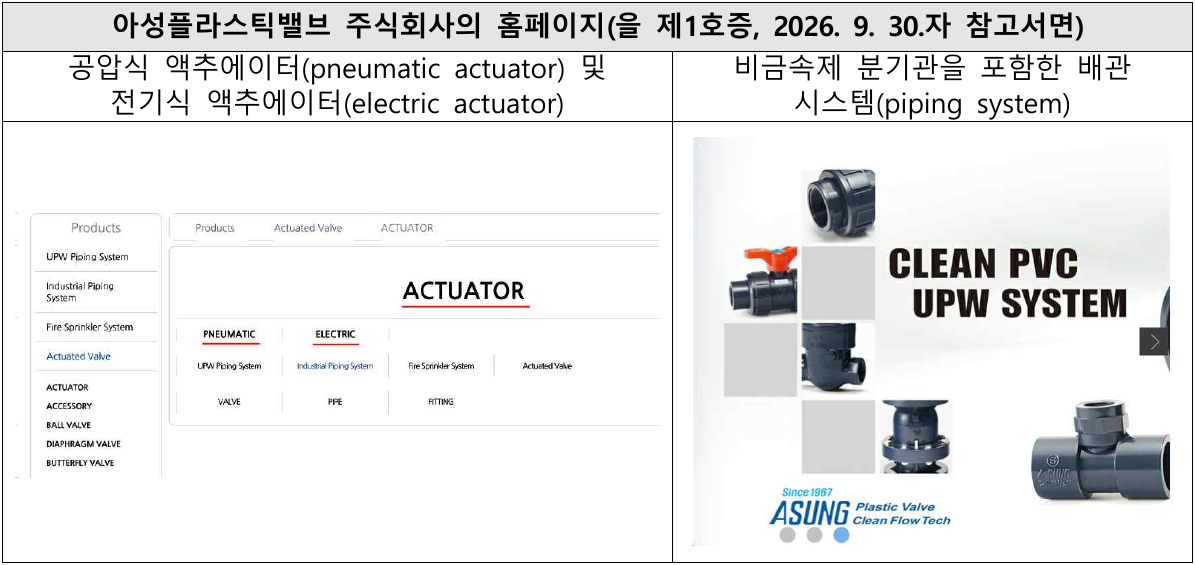
Asung Plastic Valve's website showed that one business manufactured and sold pneumatic and electric actuators as well as piping systems containing non-metal branch pipes.
The court also examined sales material from Danfoss and KCC Jeonggong. These suppliers offered electric actuators together with valves incorporating branch pipes.
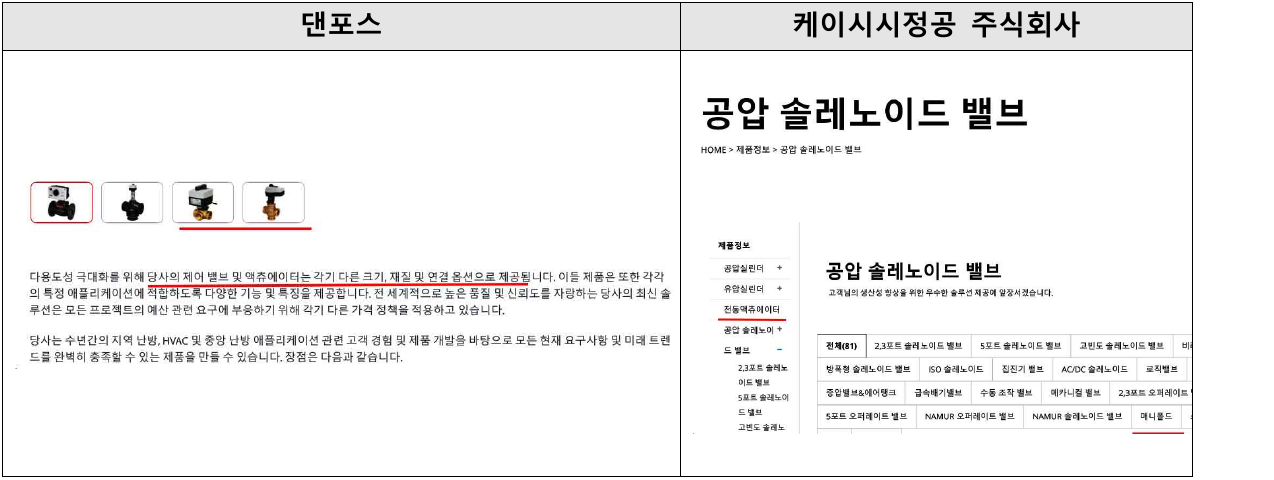
These concrete product ranges showed buyers could encounter both groups of goods through the same supplier. They supported the court's findings about overlap in production and sales.
Boiler purchasers and the meaning of “actuator” in trade
Electric drives and distribution manifolds are used in boiler systems. Many online posts by consumers discussed the drive and the manifold together. The court found a substantial overlap in purchasers and a connection in intended use.
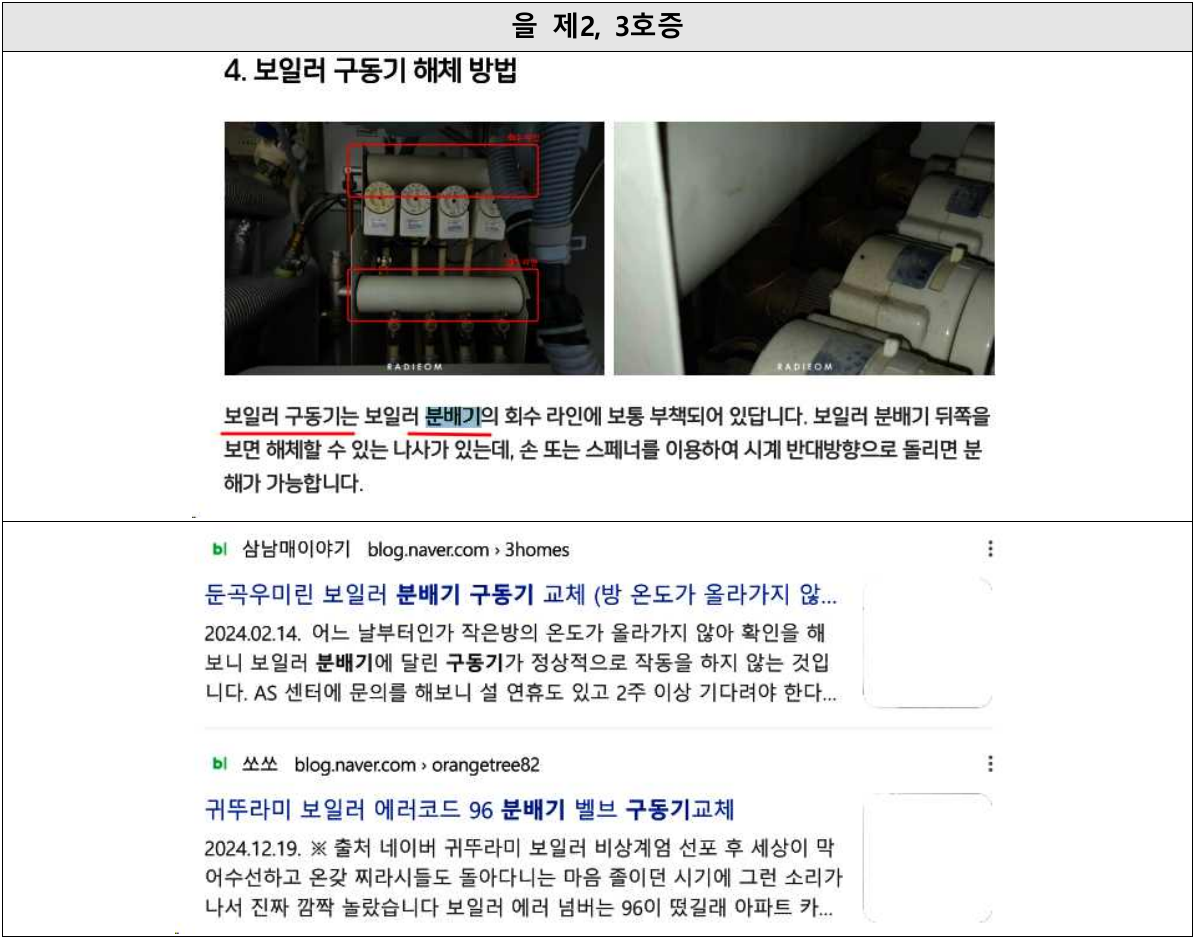
The applicant distinguished a boiler drive from the particular electric actuator for automated equipment shown in its evidence. The court examined the words used in the market: the Korean term for a drive is a translation of “actuator”, and boiler drives were in fact called actuators in trade.
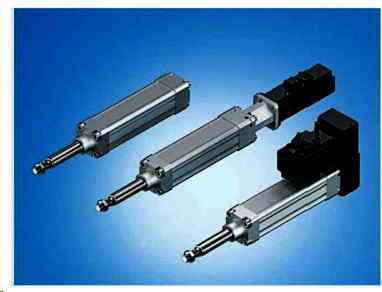
Electric actuators take different forms according to the machinery and field of use. A photograph of a particular industrial model could not confine the application’s broader wording, “electric actuators (machine parts)”, to that model.
The refusal stood under the Korean Trademark Act
Taken together, the uses, manufacturing and sales activities, and overlapping purchasing public supported a risk of mistaken commercial origin. Under ordinary trading conditions, electric and linear actuators were similar goods to non-metal branch pipes.
Because both the marks and the designated goods were similar, Article 34(1)(7) of the Korean Trademark Act applied to the application.
The court dismissed the applicant’s claim to annul the Board’s decision. The result was that the refusal to register the applied-for mark remained in place.
Investigating the market behind a class number
Class 7 and Class 19 placed the respective goods in different categories. A clearance review should still ask whether buyers encounter them from the same suppliers and might attribute them to the same source.
Product photographs can explain physical differences. Supplier catalogues, sales channels, the way parts are combined in actual installations and evidence about purchasers help explain market differences or overlap. The specification should also be checked against the particular product sold.
Joint use alone does not determine similarity in every case. Here it was accompanied by specific examples of common supply, boiler users discussing both components and overlapping trade terminology. The court’s conclusion rested on that combination of evidence.
The original figure labels and forms are preserved; the text explains the source material.