
The Korean Patent Court considered two patches that attach to an electrical outlet to suppress a fire. On 23 July 2026, in case 2026 Heo 10084, it found that their outlines gave different visual impressions. It nevertheless upheld the decision invalidating the registration because a designer of ordinary skill could readily have made the changes.
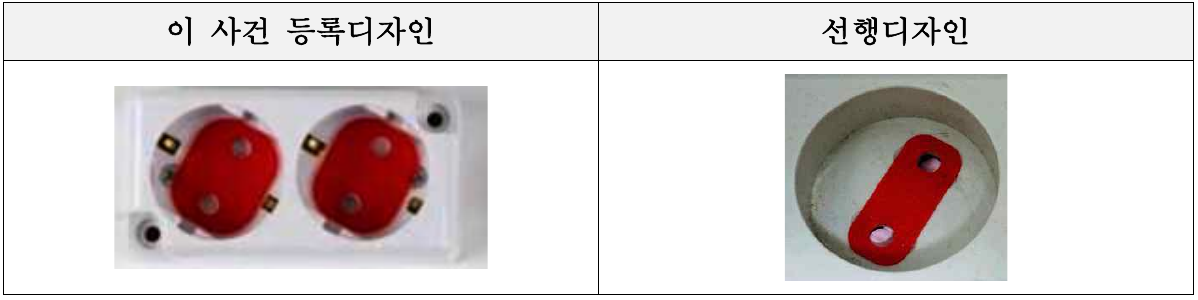
The design challenged before the court
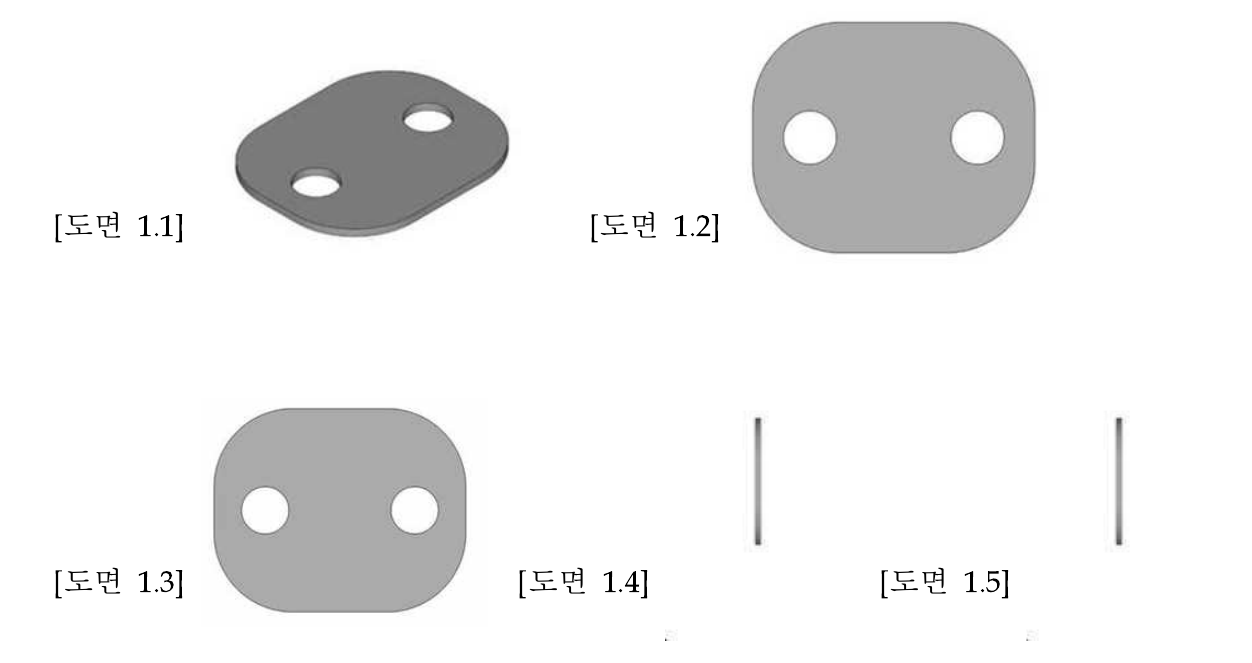
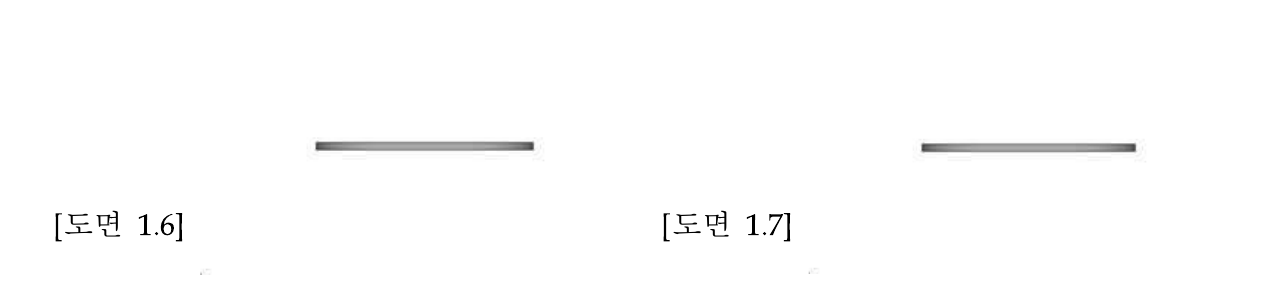
Korean Design Registration No. 1215174 covered a fire-suppression device for confined spaces. The drawings show a patch fitted to the face of an electrical outlet. The application was filed on 28 July 2022 and the design was registered on 4 May 2023.
The petitioner pointed to an automatic fire-suppression patch disclosed before the filing date. On 13 February 2026, the Intellectual Property Trial and Appeal Board (IPTAB) invalidated the registration in case 2025 Dang 2717 on the ground that the design could readily have been created from the earlier patch. The proprietor sought to have that decision set aside.
What established the date of disclosure?
A product review illustrated the earlier patch. The proprietor observed that a blog post could be edited without changing its displayed publication date. The date on the review alone could therefore leave doubt about which shape the public could see at the time.
The same product appeared in other posts dated 3 and 8 May 2022 and in evidence from trade fairs held that April and June. Taking those records together, the court accepted that the earlier design had been available to the public online by around 2 May 2022, before the proprietor filed its application.
Proportions and corner radii changed the overall impression
Both designs had a rectangular outline with rounded corners and two holes arranged symmetrically on the left and right. The court examined how these features appeared together on each patch.
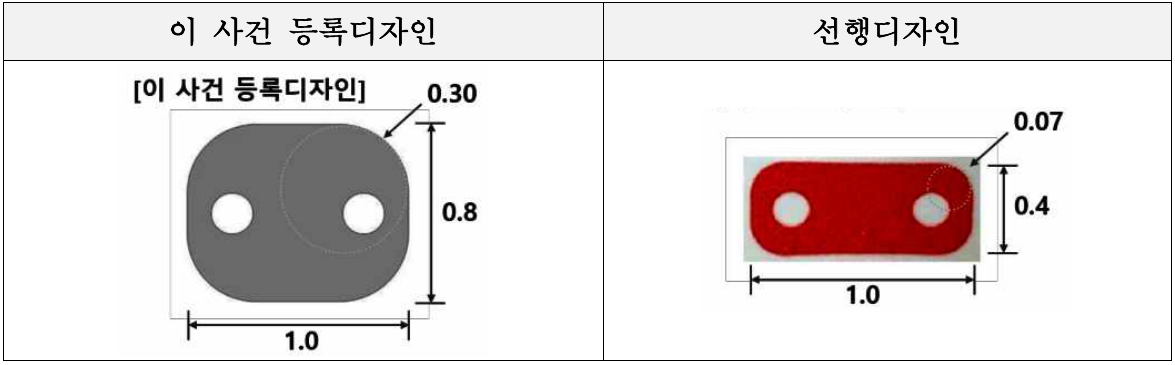
Taking the width of each patch as one, the registered design had a height of about 0.8, against about 0.4 for the earlier design. These are proportions rather than physical measurements. One outline looked almost square, while the other appeared low and wide.
The relative corner radius also differed. With width again taken as one, the radius was about 0.3 for the registered design and about 0.07 for its predecessor. Curves accounted for a much greater share of the registered patch’s perimeter. The earlier outline looked more angular.
The proportions and curves defined the outer contour and carried greater visual weight than the shared pair of holes. The court therefore found no similarity in the dominant features or overall ornamental impression that would invalidate the design under Article 33(1) of Korea’s Design Protection Act.
Why the changes were within the reach of an ordinary designer
Article 33(2) raised a separate question. Starting from designs already known in the field, could a designer of ordinary skill have produced the registered design with ease? A visible change can affect the overall impression and still be straightforward to make.
The two designs concerned identical or similar products and both patches were fitted to 220 V outlets. The court assessed the changes in height and corner radius against that particular use.
Before the application, rectangular fire-suppression patches were already available in a range of width-to-height ratios. Changing the height of the earlier rectangle was a familiar design technique in this field.
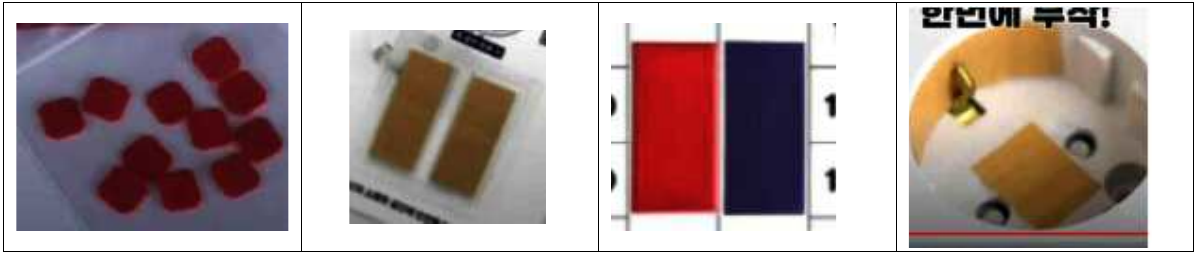
Increasing the height to improve fire suppression also served a functional purpose. The court found that this adjustment did not bring a distinct aesthetic contribution, even though it altered the proportions enough to be noticed.
The earlier patch already had curved corners. Adjusting their radius to fit the structure of the outlet was another functional adaptation. The court found no separate aesthetic value in that change that would have placed the registered design beyond the ordinary designer’s reach.
The decision invalidating the registration stood
The court rejected the similarity challenge under Article 33(1) but upheld the ground under Article 33(2). It dismissed the proprietor’s action to set aside the IPTAB decision.
The proprietor cited a different IPTAB decision in which ease of creation had not been established. That proceeding concerned a different pair of designs. Moreover, the products underlying the two designs compared in that other proceeding differed from each other. Its outcome did not resolve the present comparison.
How to document a difference that matters
Consider two questions when comparing designs. What impression does each article make when viewed as a whole? How would a designer starting from the earlier article arrive at the change? Pointing to a greater height or a larger radius answers only part of the inquiry.
Drawings can show how proportions, the flow of the outline and the arrangement of openings work together. Explain which choices contribute to the appearance and which follow from a familiar design technique or the need to fit another component.
For a disputed disclosure date, preserve a record of the exact shape shown as well as when it was visible. A dated product review, independent posts and exhibition materials can corroborate one another in ways that a date label alone cannot.
The original figure labels and forms are preserved; the text explains the source material.