
The identified goods and the actual use
On 12 February 2026, the Korean Patent Court considered a challenge by the owner of registration 1023406, covering downloadable programs and mobile application software in Class 9. The owner had identified the defendant’s use of ‘010PAY’ as use for mobile application software. The defendant held registration 1693566 for services including electronic financial transactions and mobile and internet payments in Class 36. The Board dismissed the scope-confirmation request as inadmissible in decision 2024당1805 of 1 May 2025 because the goods identified did not correspond to the actual use.



What the consumer was acquiring
The app could be downloaded free of charge. Users bought mobile gift vouchers with charged 010PAY money or promotional points, then redeemed them for goods or used them in external transactions. The ‘Litto’ reward mechanism encouraged charging and voucher purchases; it was treated as ancillary marketing, rather than independently consumed app content. Software can itself be a trade mark law product when supplied and acquired as an independent object of trade. This decision did not exclude apps from that category simply because they are intangible or free.
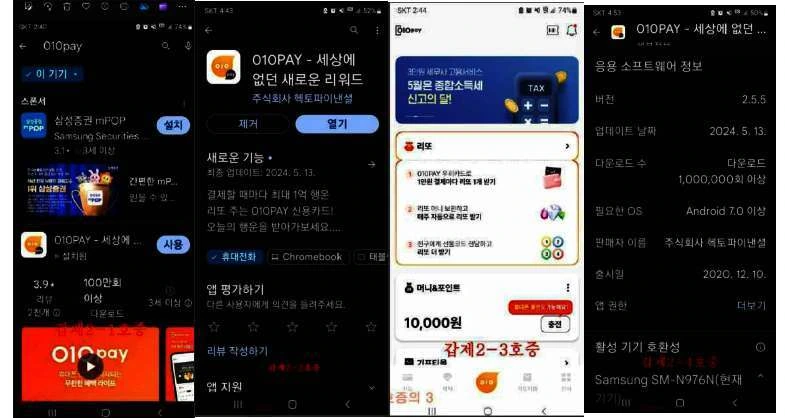
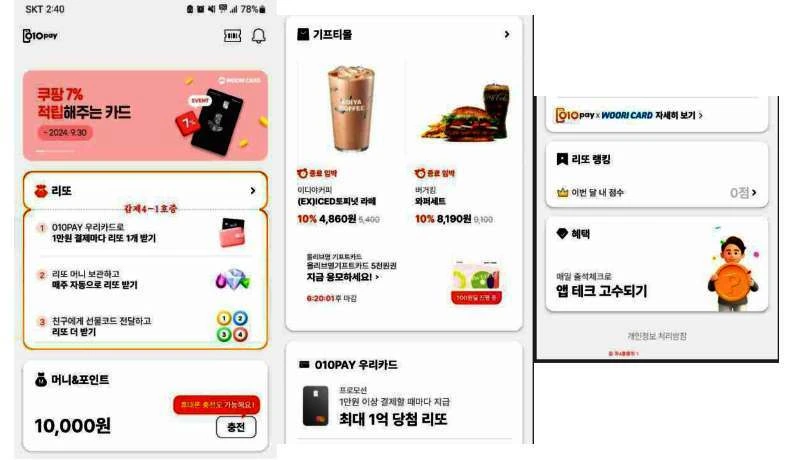
Revenue and payment arrangements
The court examined where economic value arose. The operator received commissions on voucher transactions; installation or ordinary app use did not itself establish revenue from supplying the app as a product. Possible interest-related gains on charged balances were associated with the financial service. The use of external payment arrangements, rather than app-store in-app billing, supported this assessment when considered with the Google and Apple policies in evidence. Payment method was a supporting circumstance, not a universal legal test.
Why the challenge failed
The sign identified services accessed through the app, rather than the software goods specified in the request. As that request did not reflect the defendant’s actual use, the requisite interest in obtaining the requested declaration was absent. The court rejected the challenge and upheld the Board’s procedural dismissal. It did not decide that the marks were dissimilar or that every use associated with 010PAY was non-infringing. The defendant’s own registration was not, by itself, dispositive.
Preparing filings and disputes
App businesses should identify whether they supply software, provide services through software, or do both, and select goods and services accordingly. A dispute file should capture terms, user journeys, payment flows, commissions and where the benefit of the transaction is realised. The location of a logo on a screen—and whether downloading costs money—cannot replace that analysis.
The comparison figures retain the forms and labels shown in the Korean source.