[Principles of Judgment]
Trademark similarity is assessed objectively and as a whole through appearance, pronunciation and concept. A shared element does not make marks similar where consumers are unlikely to perceive it separately or where the overall impressions clearly avoid confusion.
| Earlier registered Trademark 1 | The Earlier registered Trademark 2 | Applied for trademark | Applied for trademark | |
| Mark | 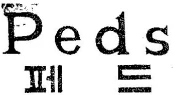 | 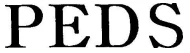 |  | 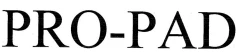 |
[Similarity assessment]
1. Pronunciation
Although the hyphen in “PRO-PAD” could suggest separate elements, its Korean pronunciation is a short four syllables and “PAD” has no exceptional distinctiveness. Consumers are therefore unlikely to omit “PRO” and refer to the mark only as “PAD”. “PRO-PAD” and the earlier mark's Korean pronunciation “ped” are not similar in pronunciation.
2. Appearance and concept
The marks differ in appearance. Their concepts also differ: the applied-for mark suggests a professional pad, while earlier mark 1 refers to a naturally formed aggregate of soil particles.
[Decisions]
The marks differ in appearance, concept and pronunciation. Even on identical or similar goods, they are unlikely to cause confusion as to source. The court found them dissimilar.
This article reflects the information available when it was published. Contact us to discuss your circumstances.