

A technical contribution to product development is not necessarily a contribution to the design’s visual appearance. When ownership is disputed, drawings and dated communications can matter more than a later description of who led the project.
On 14 September 2023, in case 2022Heo6259, the Korean Patent Court dismissed an action seeking to overturn invalidity of design No. 885618 because the applicant had not been shown to be the creator or its successor.
Development of a power semiconductor package
Customer H provided the defendant with a basic appearance, dimensions and electrical requirements in March 2016. The defendant prepared three-dimensional drawings and, in April, asked the plaintiff to provide samples and structural analysis.
The contested partial design was filed on 23 May 2016 and registered on 8 December. Protection concerned the parts shown in solid lines, rather than every element of the package.
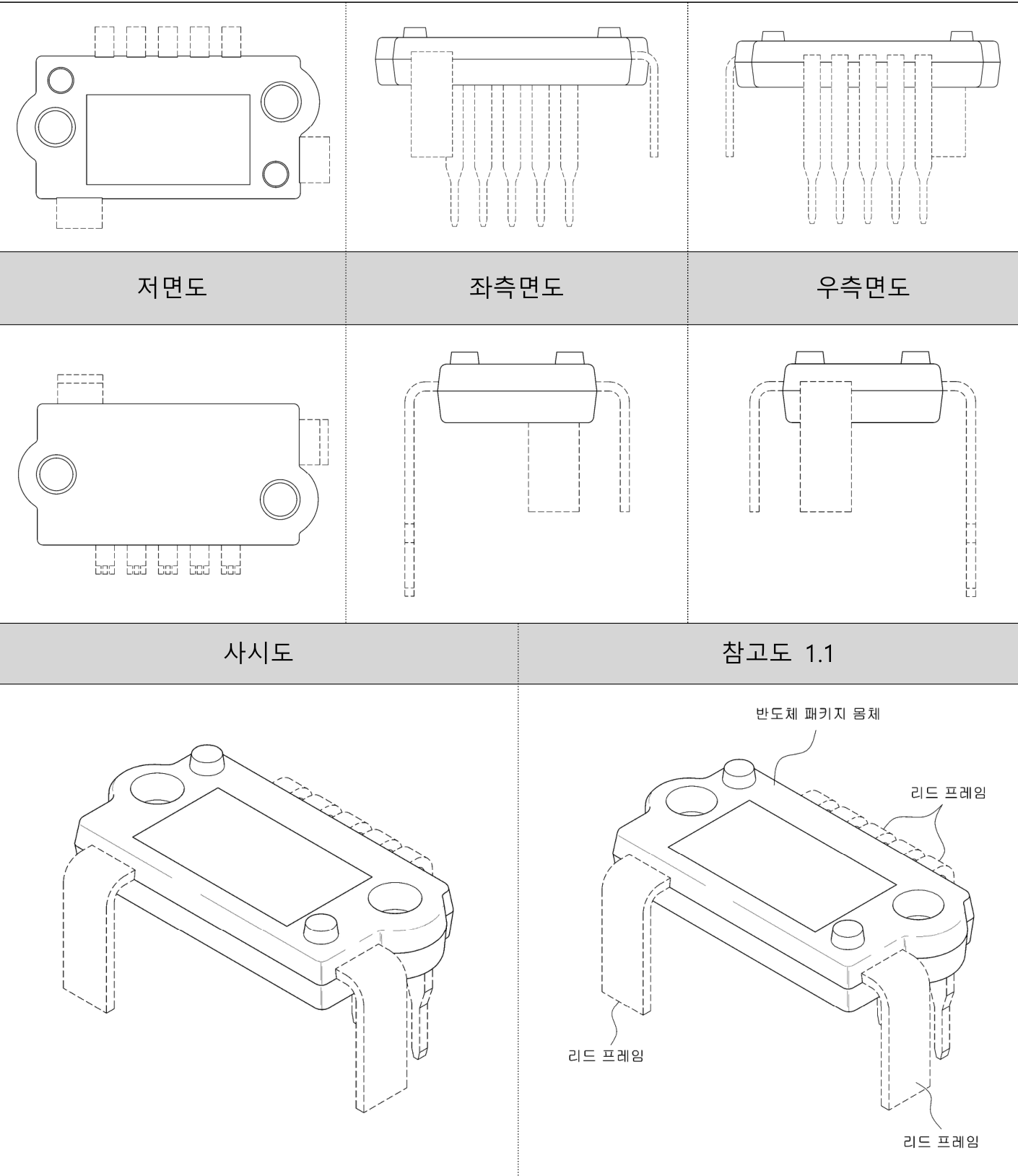
Who created the significant appearance?
Article 3 of Korea’s Design Protection Act gives the right to obtain registration to the creator or successor. A general instruction, technical assistance or merely drawing another person’s idea is not equivalent to proposing and embodying the concrete features affecting overall appearance.
The defendant’s employee G changed open U-shaped end grooves to closed circular assembly holes within outward projections, and used rounded positioning projections. Those developments were reflected in the design subsequently filed.
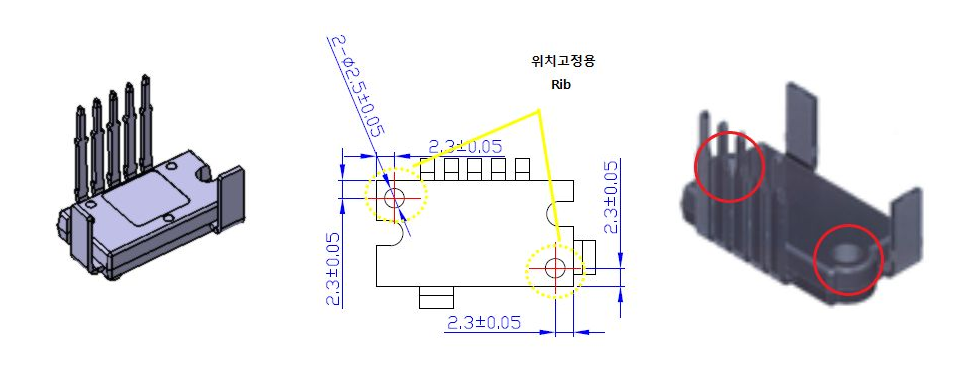
The May drawings supplied a documented sequence
On 10 May 2016, G emailed revised three-dimensional drawings to the plaintiff’s representative B. Their substantial appearance matched the later application. The defendant had also prepared drawings and coordinated the shape with H.
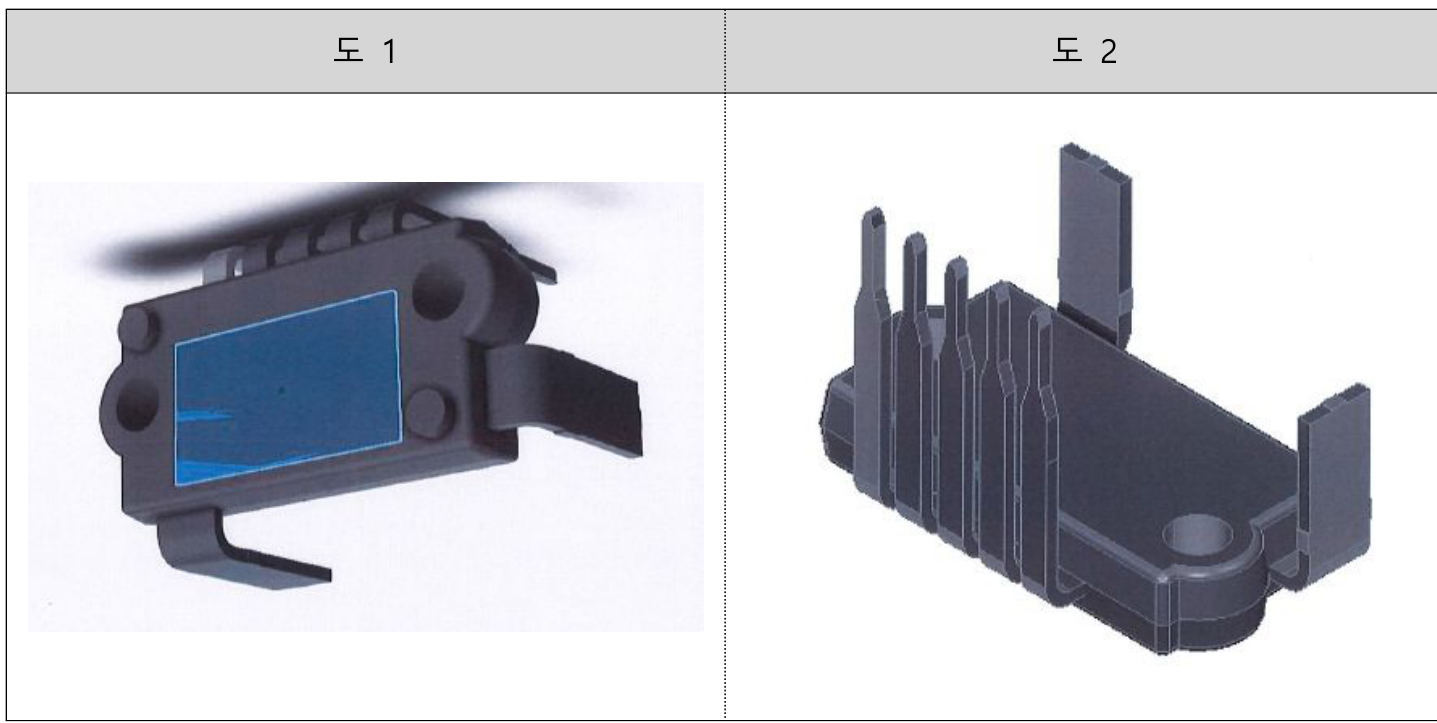
That documentary sequence supported the defendant’s account of creation. The court did not accept that G was simply an operator implementing a finished design supplied by B.
Stress analysis did not disclose the particular circular holes
B’s 3 May analysis addressed stress around bolted ceramic portions. It suggested increasing clearance, lengthening the package or reducing the board size. Multiple shapes could respond to those engineering concerns; the analysis did not itself disclose the particular circular assembly-hole arrangement.
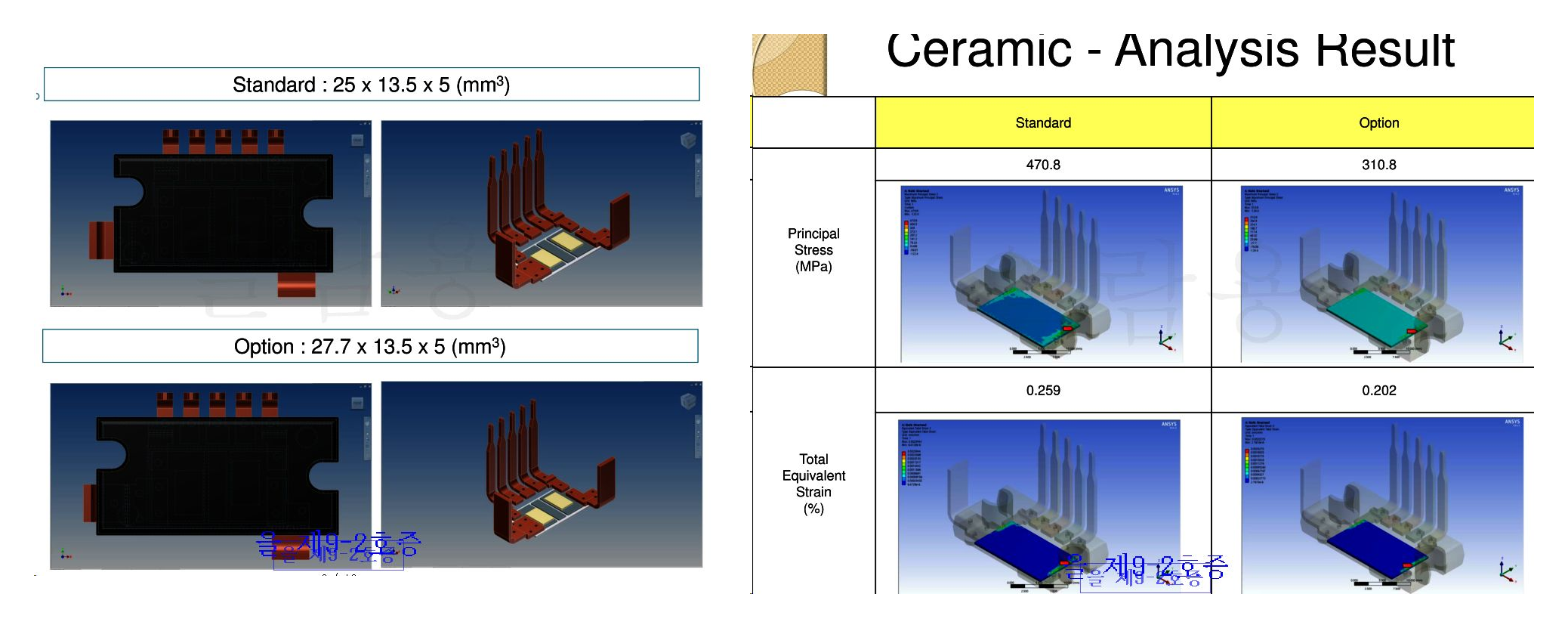
Testimony that B had earlier supplied a sketch was not persuasive against the dated records, and no supporting sketch or memorandum was produced. The court found no evidence that the plaintiff had acquired the registration right from G or the other creators.
Separate technical work from rights succession
The invalidity decision was therefore maintained. The result did not deny the value of structural analysis; it distinguished that task from creation of the claimed appearance and from a transfer of the right to register.
Keep dated CAD files, change requests, analyses and approvals showing how visual features evolved. Development contracts should identify creators and provide a clear chain of assignment where the intended applicant is a different party. Neither payment nor possession of drawings is an adequate substitute.
The original figure labels and forms are preserved; the text explains the source material.