

A product lawfully manufactured before a patent is granted can still infringe when used commercially after grant. The relevant statutory exception in this Korean dispute concerned articles present domestically when the application was filed, not every article made before registration.
On 27 November 2025, in case 2024Na10782, the Korean Patent Court awarded part of an unjust-enrichment claim against the user of electric carts, while rejecting the claim against their manufacturer.
Filing, supply and continued use
Patent No. 10-1250968 concerned a wheel-tilting mechanism for carts. It was filed on 22 December 2010 and granted on 29 March 2013. The carts were supplied from June 2011, after filing but before grant, and continued in business use afterward.
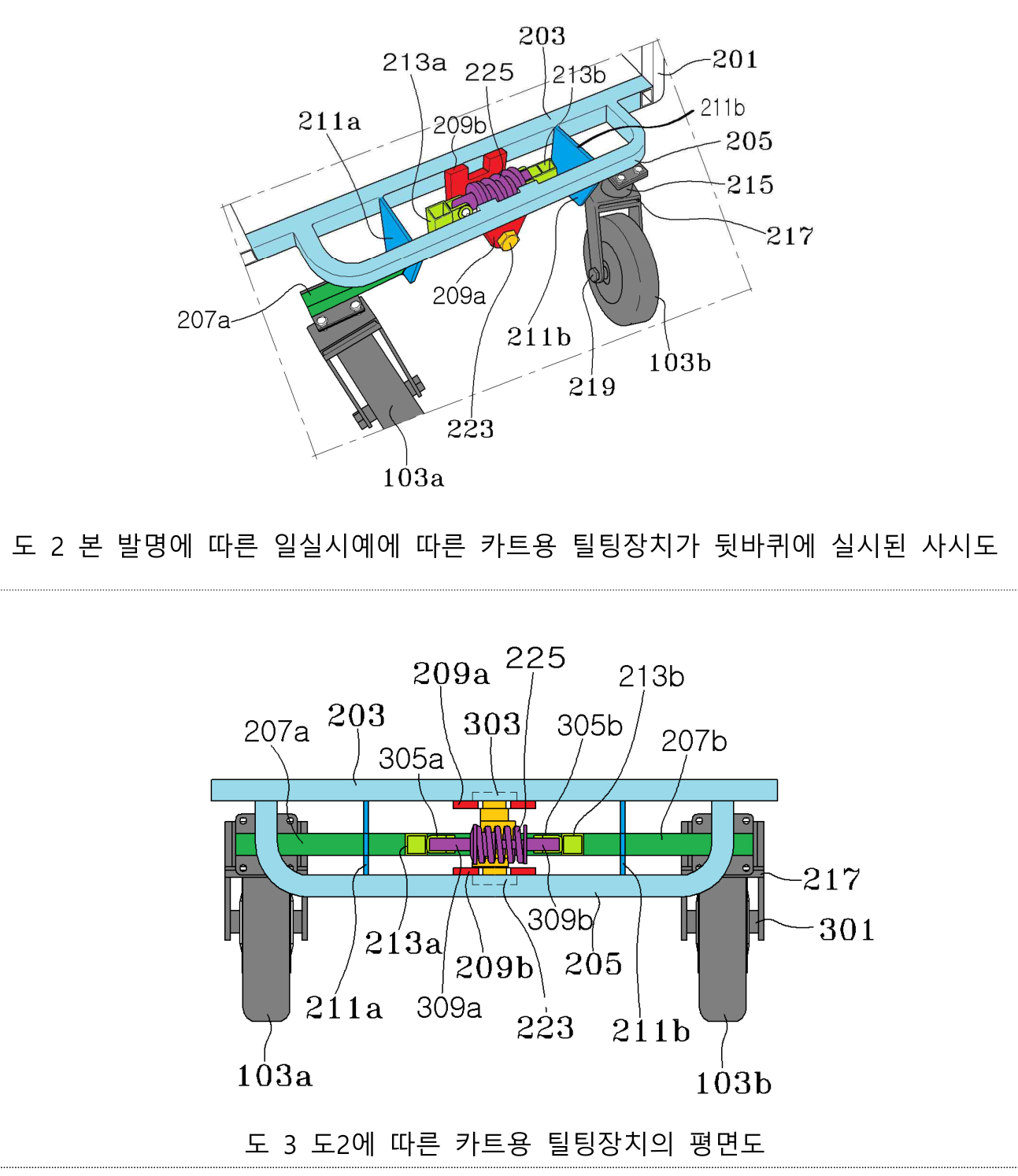
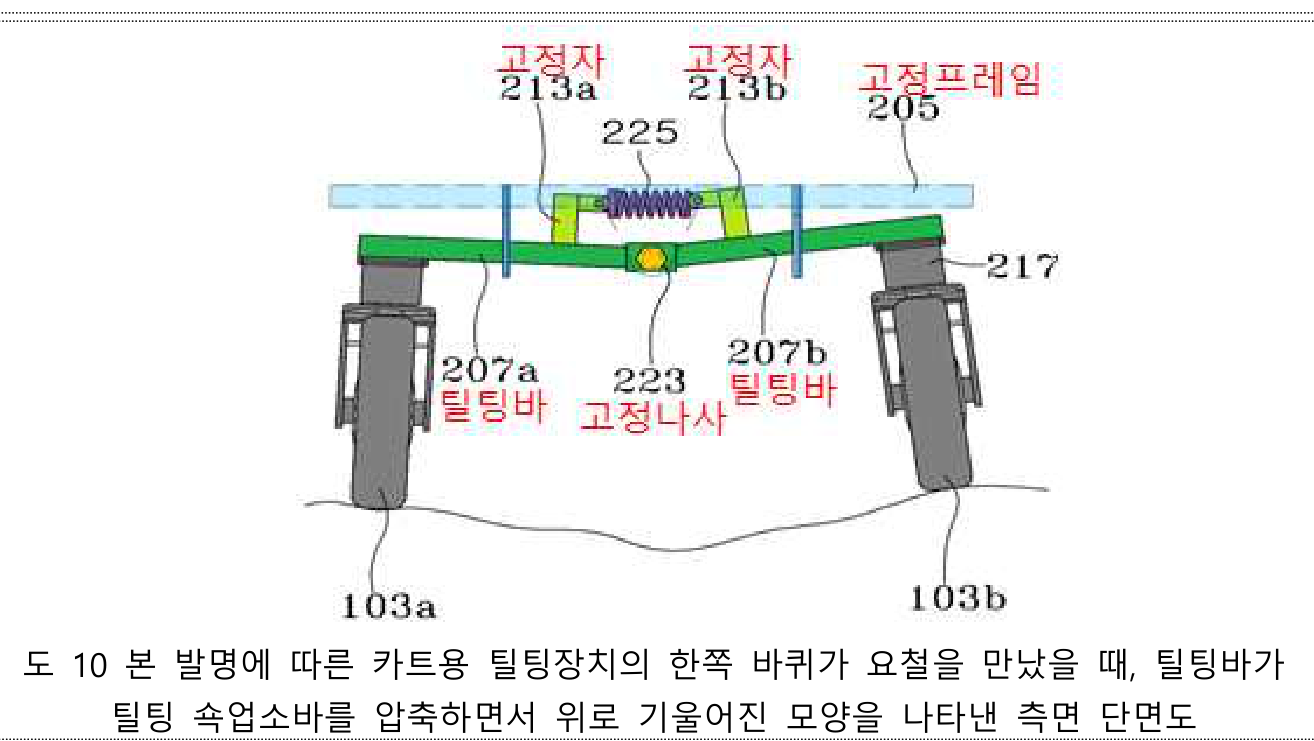
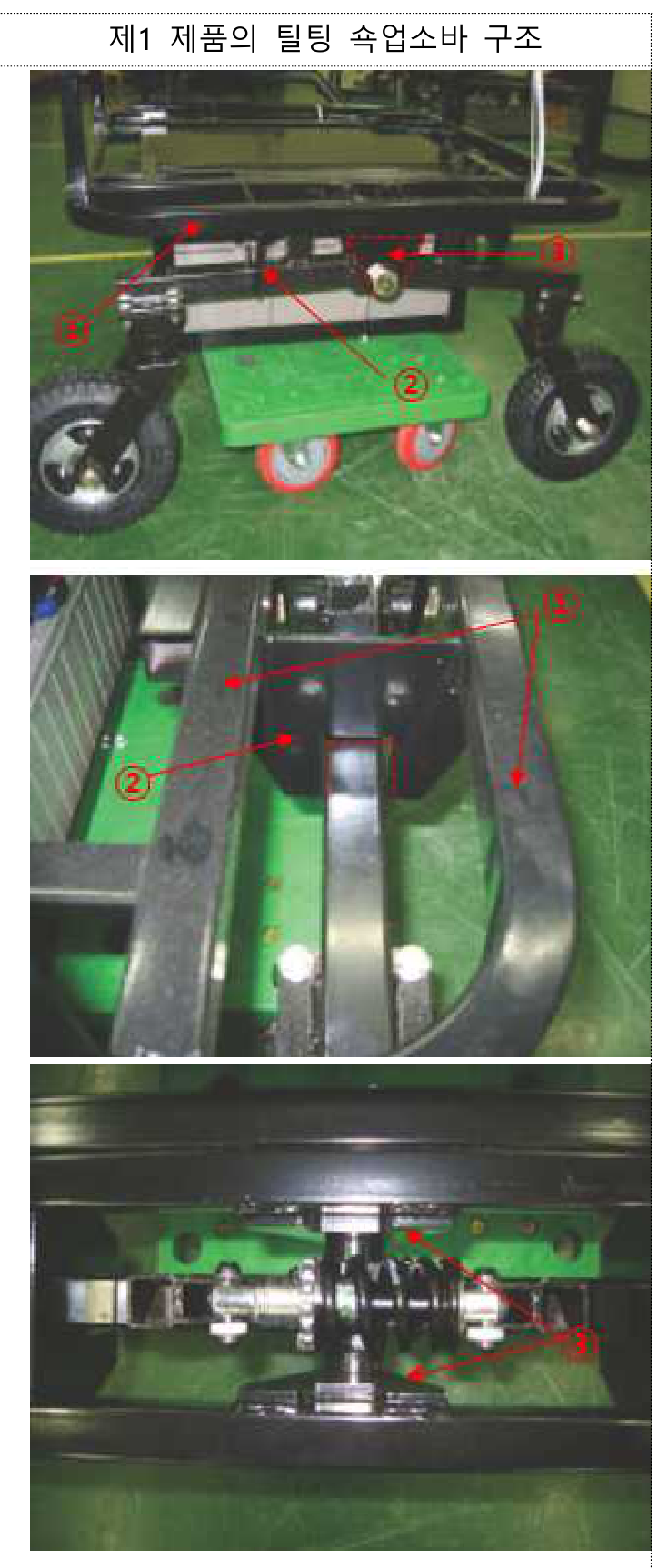
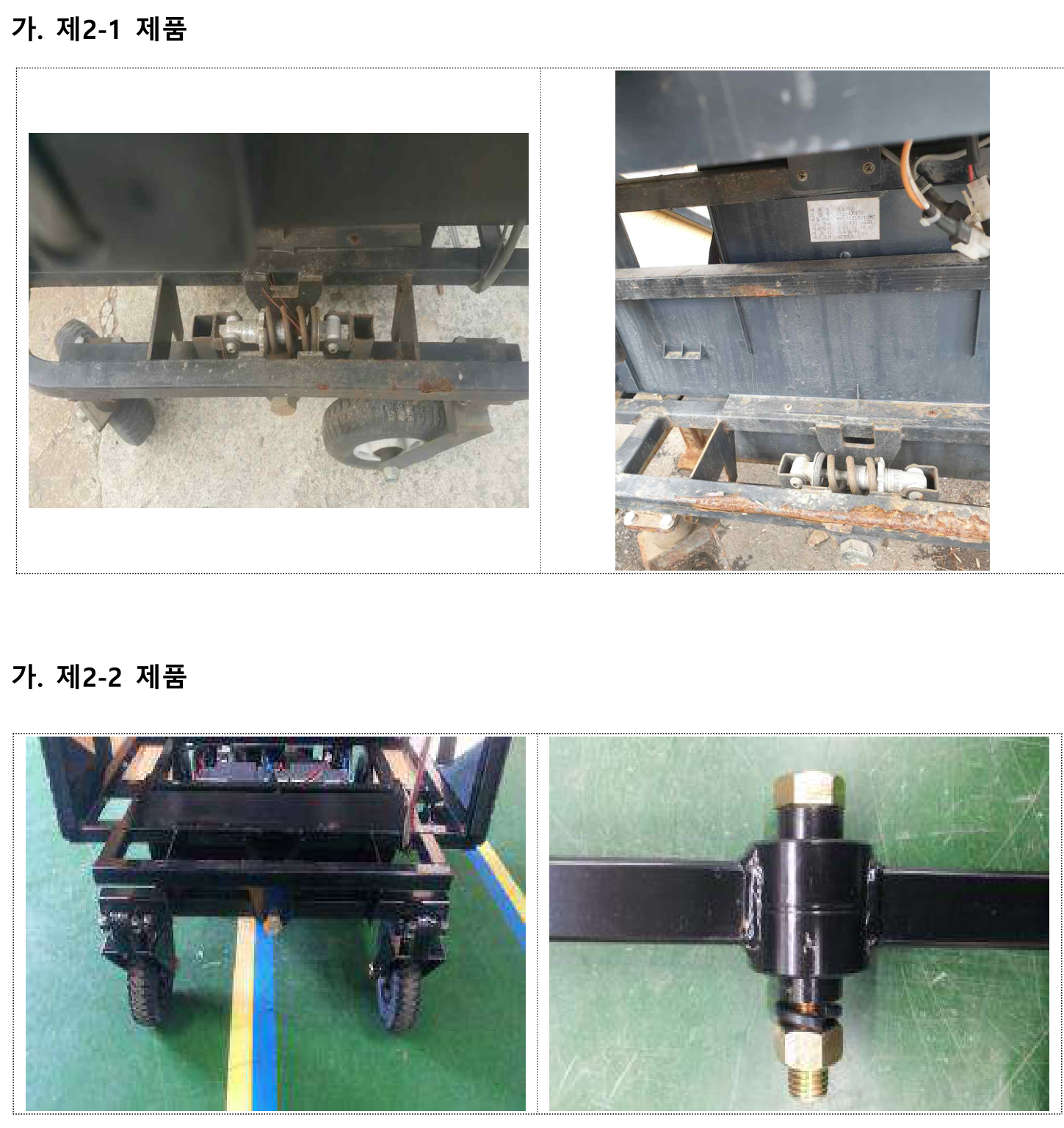
Products 1 and 2-1 used separate left and right tilting bars with a shock absorber. Product 2-2 instead used a one-piece bar supported by a bearing. Those versions could not be treated as interchangeable for infringement analysis.
The exception did not extend to every pre-grant product
Article 96 of Korea’s Patent Act includes an exception for specified articles already present in Korea at the filing date. Manufacture after filing but before grant did not place these carts within that exception.
Once the patent was granted, unauthorized commercial use of a covered product could therefore infringe. The purchase date alone did not dispose of liability; the court also had to establish that the particular product fell within the claim.
Why two versions were covered and one was not
For products 1 and 2-1, the relevant elements were present literally or by equivalents. Changing a diamond-shaped guide opening to a rectangular one preserved clearance and function; alterations to spacers and the spring seat did not materially change the mechanism.
Product 2-2 lacked the independent bars, shock absorber and related fixing arrangement. Its bearing-based structure was not equivalent to the claimed combination. There was also no proof that the manufacturer had made or repaired covered products after grant, or jointly used them; its post-grant product 2-2 was non-infringing.
Unjust enrichment required its own calculation
The claim arose under Civil Act Article 741. The court declined to import the damages rules of Patent Act Article 128 directly into the calculation of unjust enrichment, and instead assessed a reasonable licence fee.
The base was the market price of the relevant mechanism, KRW 190,000, rather than the whole cart. Applying 5% to 2,076 units produced KRW 19,722,000, plus delay interest. The rate was assessed in context, not adopted mechanically from an industry average.
Identify the acts, versions and monetary basis
Preserve records separating filing, grant, manufacture, purchase and actual use. Model revisions and repair histories may determine whether a supplier and a user face different outcomes.
A monetary claim should explain why its chosen base and rate reflect the patented component and the benefit obtained. Statutory infringement damages and restitution of unjust enrichment are distinct routes and cannot simply share every calculation rule.
The original figure labels and forms are preserved; the text explains the source material.