

In case 2025Heo10442, decided on 13 August 2026, Korea’s Patent Court examined linagliptin for treating type 2 diabetes in patients with cardiovascular risk. Defining a narrower population required scrutiny of the claim wording, the experimental models and the effect actually disclosed.
The patent and the amended claims
Patent No. 10-2117282, concerning vascular- and cardioprotective antidiabetic therapy, had a relevant priority date of 15 November 2010. Linagliptin was a known DPP-4 inhibitor: inhibiting that enzyme can support glucose control by reducing the breakdown of hormones involved in insulin secretion. The dispute concerned amended medical-use claims, rather than discovery of the molecule. Following consolidated invalidity proceedings, the tribunal invalidated the patent on 24 April 2025; the patentee sought annulment.
The claimed population was broader than one extreme-risk cohort
Claim 1 covered type 2 diabetes patients meeting at least one category: past or current vascular disease; vascular end-organ damage; age 70 or over; or at least two specified risk factors. Examples included infarction, stroke or congestive heart failure, and nephropathy, retinopathy or renal impairment. The last category combined at least two of diabetes lasting over ten years, hypertension, regular smoking, dyslipidaemia and obesity. These were alternatives, not cumulative requirements. Claim 2 further limited the conditions to infarction, stroke or peripheral occlusive arterial disease, without changing the outcome.
The gap between the models and the claimed treatment
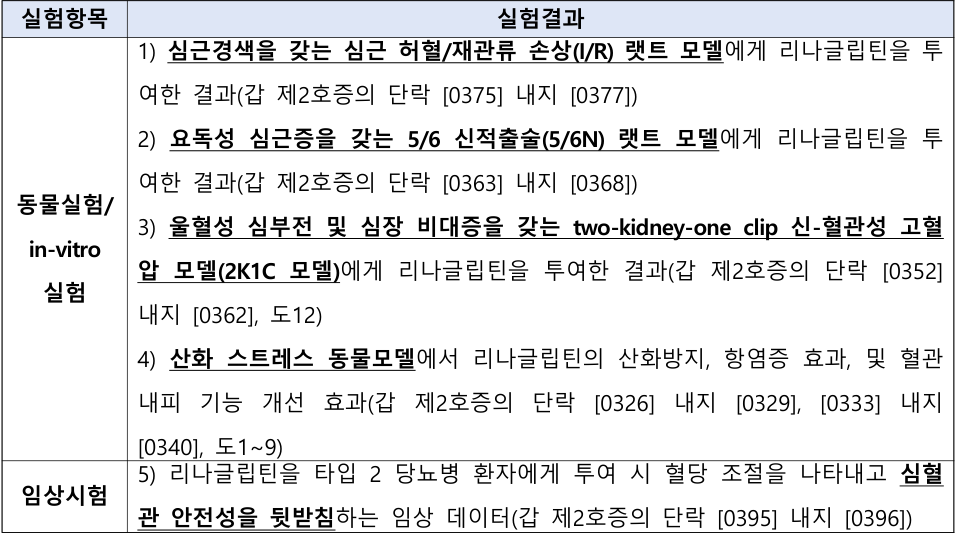
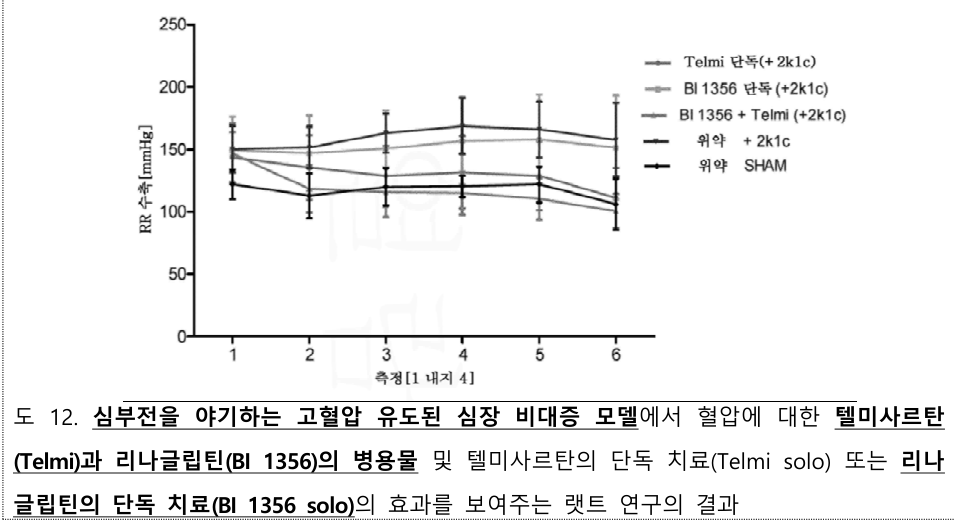
Sufficient disclosure required pharmacological data or comparably specific explanation supporting diabetes treatment in the claimed population. Direct and indirect evidence could be considered; the court did not invariably require a particular human clinical trial. The specification included diabetic-animal data, myocardial ischaemia/reperfusion, renal and oxidative-stress models, and clinical glucose-control or cardiovascular-safety material. Their number did not establish that they represented the claimed patients. Figure 12 measured blood pressure in a hypertension-induced cardiac-hypertrophy model using telmisartan, linagliptin and combination treatment. Those endpoints did not adequately bridge the gap to the claimed antidiabetic effect. Proposed long-term subgroup studies were plans, not observed results.
Why the subgroup limitation did not establish inventiveness
The link between type 2 diabetes and cardiovascular risk was already known. Prior art 1 described linagliptin treatment and clinical observations without a high incidence of serious adverse effects such as electrocardiographic abnormalities. Prior art 2 addressed diabetes and complications using DPP-4 and SGLT2 inhibitors, including linagliptin. Together they supplied motivation and a reasonable expectation for treating the claimed patients. Exclusion of some cardiovascular patients from earlier trials could reflect safety, reliability or statistical considerations; exclusion alone did not demonstrate a technical obstacle to their treatment.
Two different legal questions
Disclosure asks whether this specification concretely supports the claimed therapeutic effect. Inventive step asks what the skilled person could reasonably derive or predict from the earlier knowledge. A fully elucidated mechanism relevant to disclosure is not interchangeable with a reasonable expectation in the inventive-step analysis. Later evidence must remain within the effects disclosed originally. Comparisons pooling cardiovascular trials of different drugs, with differing patient numbers and severity, did not establish linagliptin’s marked superiority.
Preparing a defensible medical-use application
Map each patient criterion to the model, the measured endpoint and the therapeutic purpose. Explain any bridge from indirect evidence to the claimed population in the original specification, distinguish proposed research from completed experiments, and consider whether support extends across the claim. Here both amended claims failed the disclosure and inventive-step requirements, and the court dismissed the patentee’s action. Merely narrowing the patient group cannot replace a technical rationale and supporting evidence.
The original figure labels and forms are preserved; the text explains the source material.