

A favourable scope-confirmation decision did not resolve the infringement question for the products actually sold. This Korean Patent Court case turned on a dish rack’s structural capability and the timing and circumstances of repeated sales.
The patented structure and exclusive licence
The patentee owned two dish-rack patents, and the claimant, a kitchenware company, registered exclusive licences in October 2019. Such a licence gives its holder exclusive rights to practise the invention within the agreed scope. The claimant alleged that two products manufactured and sold by the defendant infringed those rights.
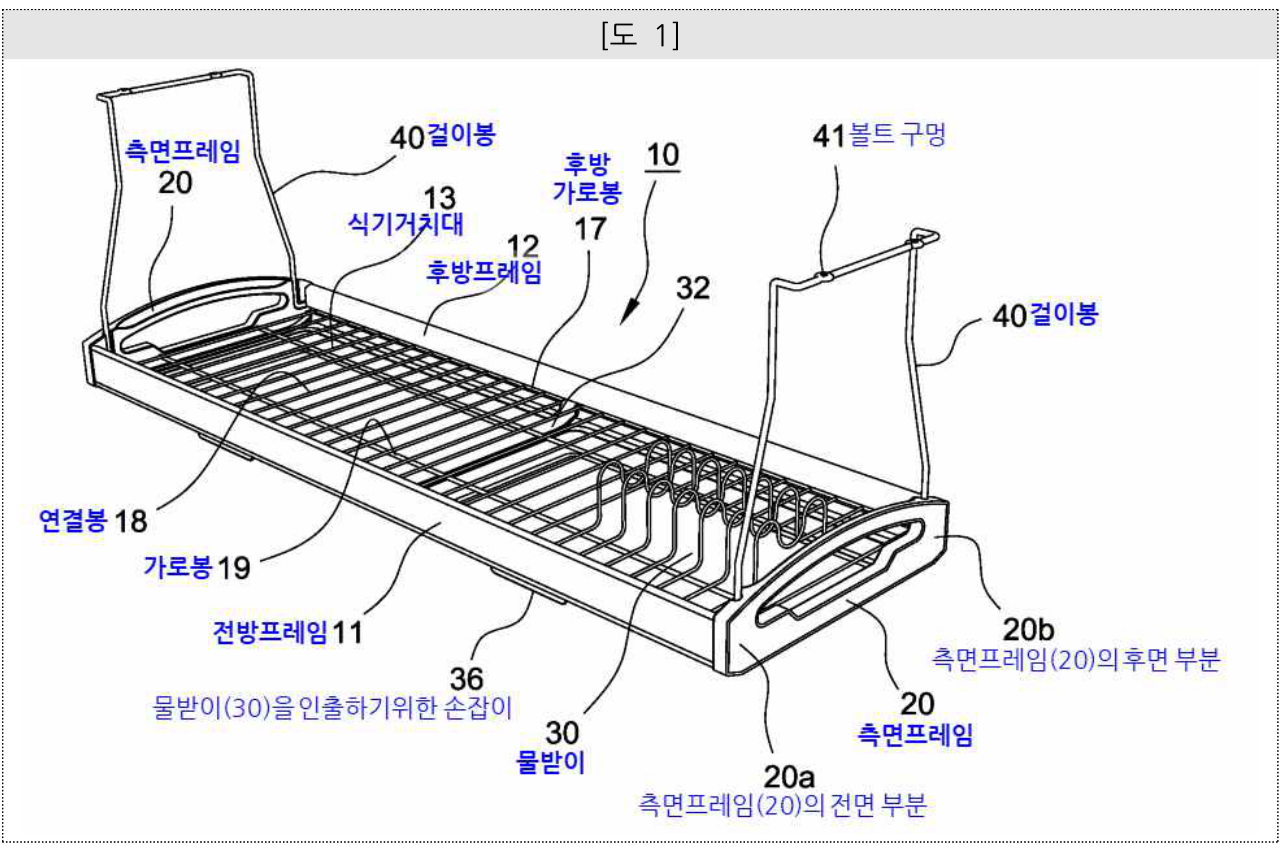
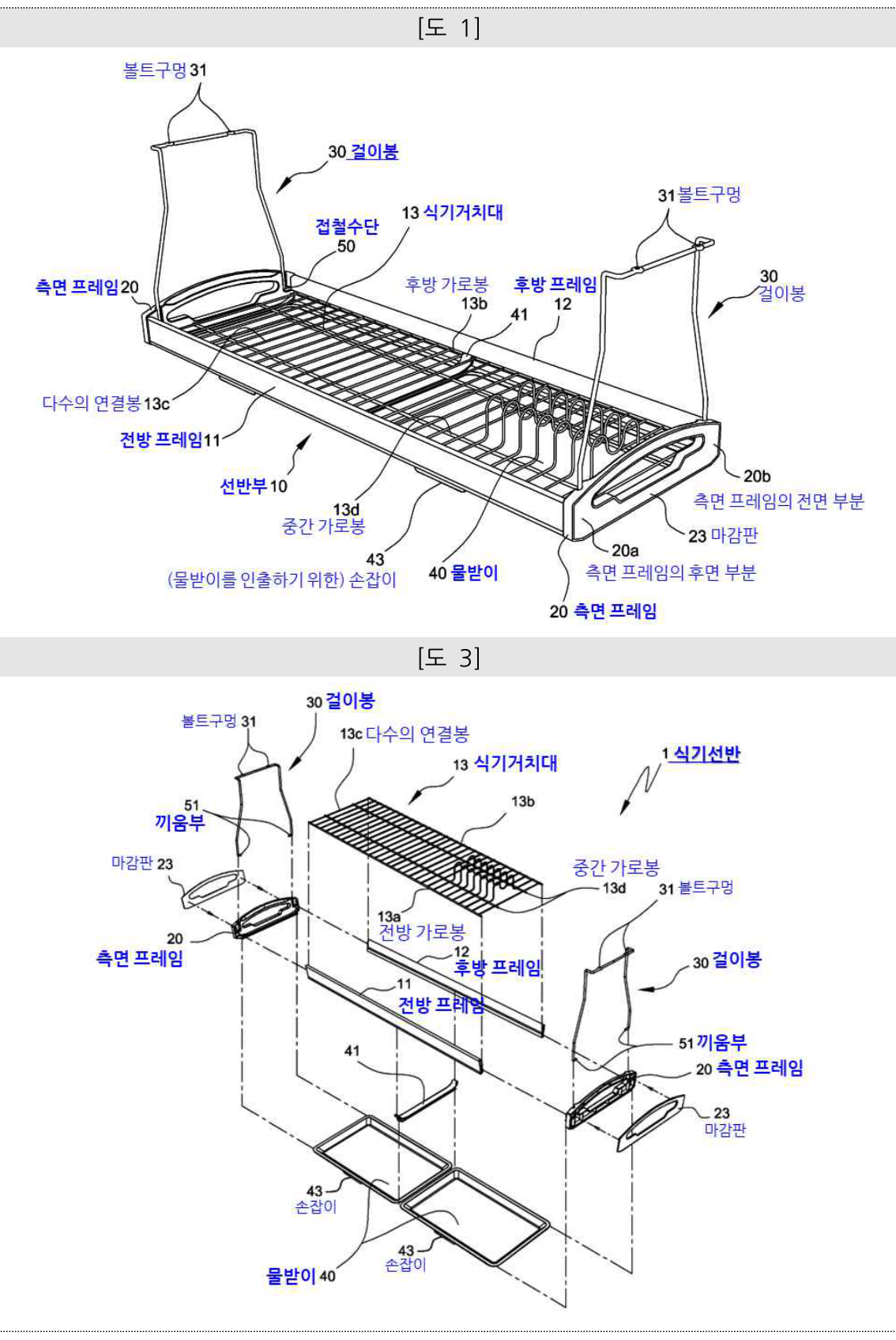
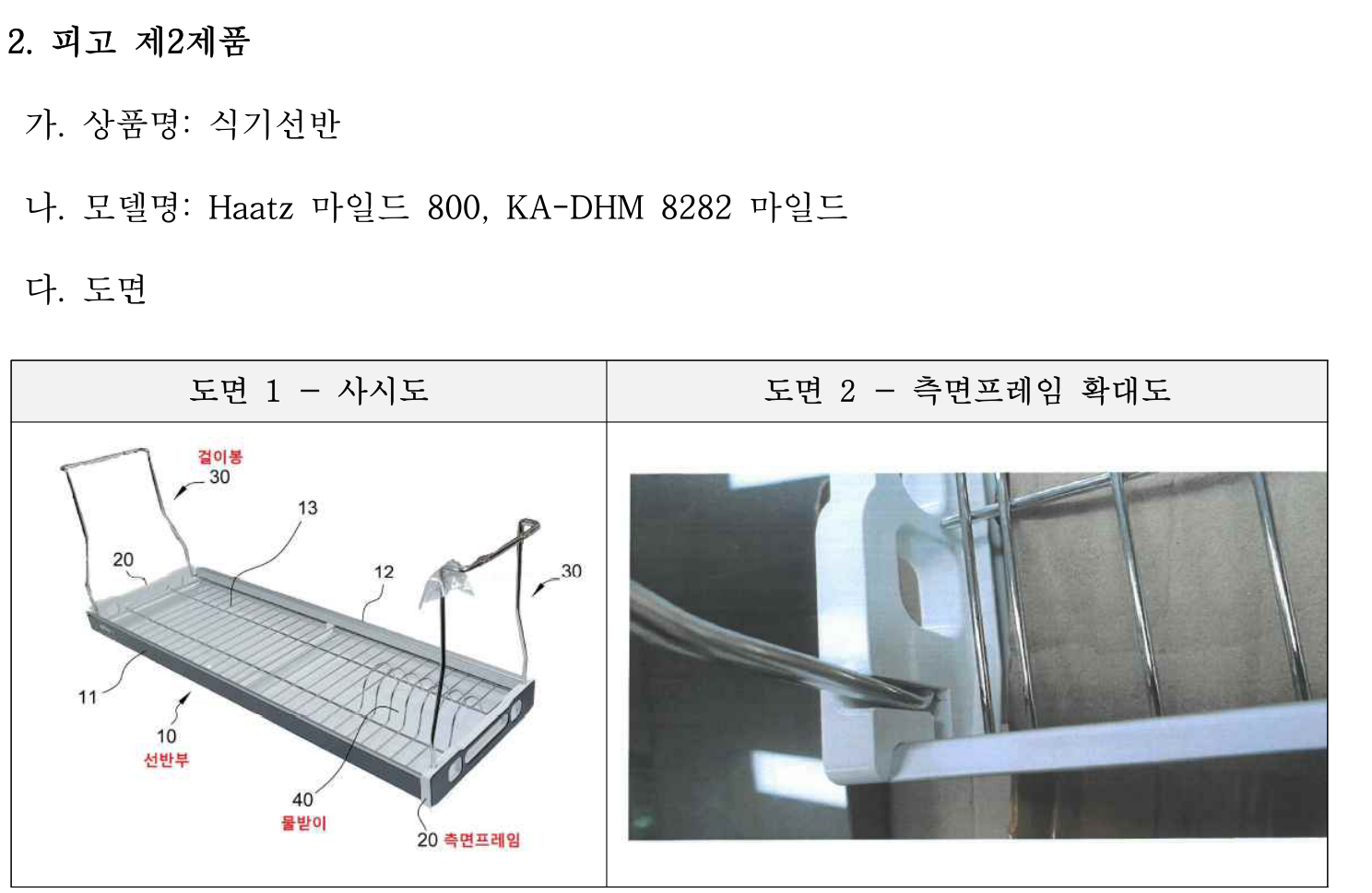
Infringement of claim 2 of patent No. 10-1818835 by product 1 was undisputed. The contested issue was whether both products also fell within claim 3 of patent No. 10-1813789, including a structure allowing the front and rear crossbars of the dish holder to slide longitudinally into the frame.
A product claim, not a prescribed assembly sequence
The defendant said its crossbars were pressed vertically into the frame, rather than slid along rails. The court construed claim 3 as a product invention requiring a dish rack with the specified sliding capability, not a method invention protecting an assembly sequence.
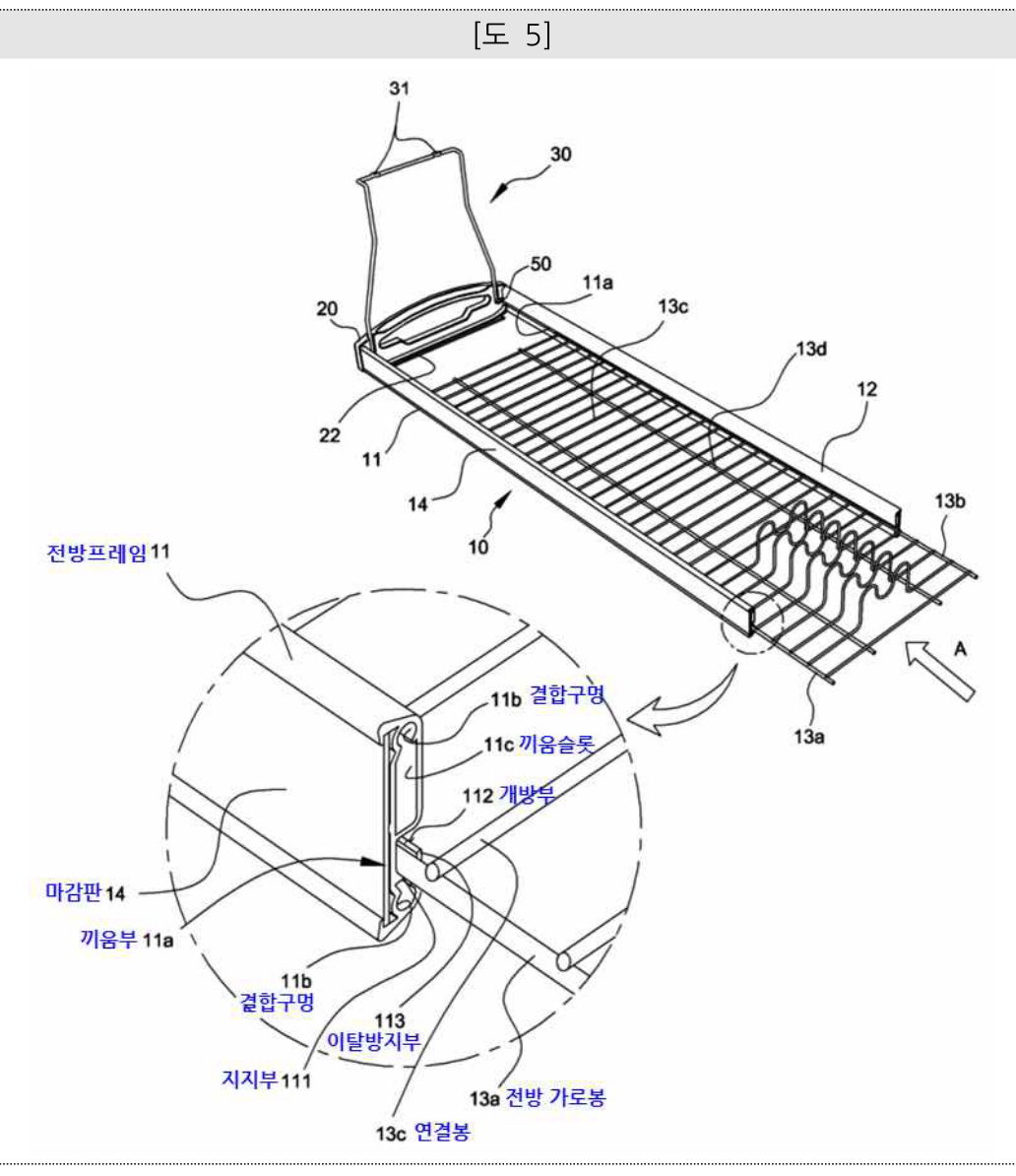
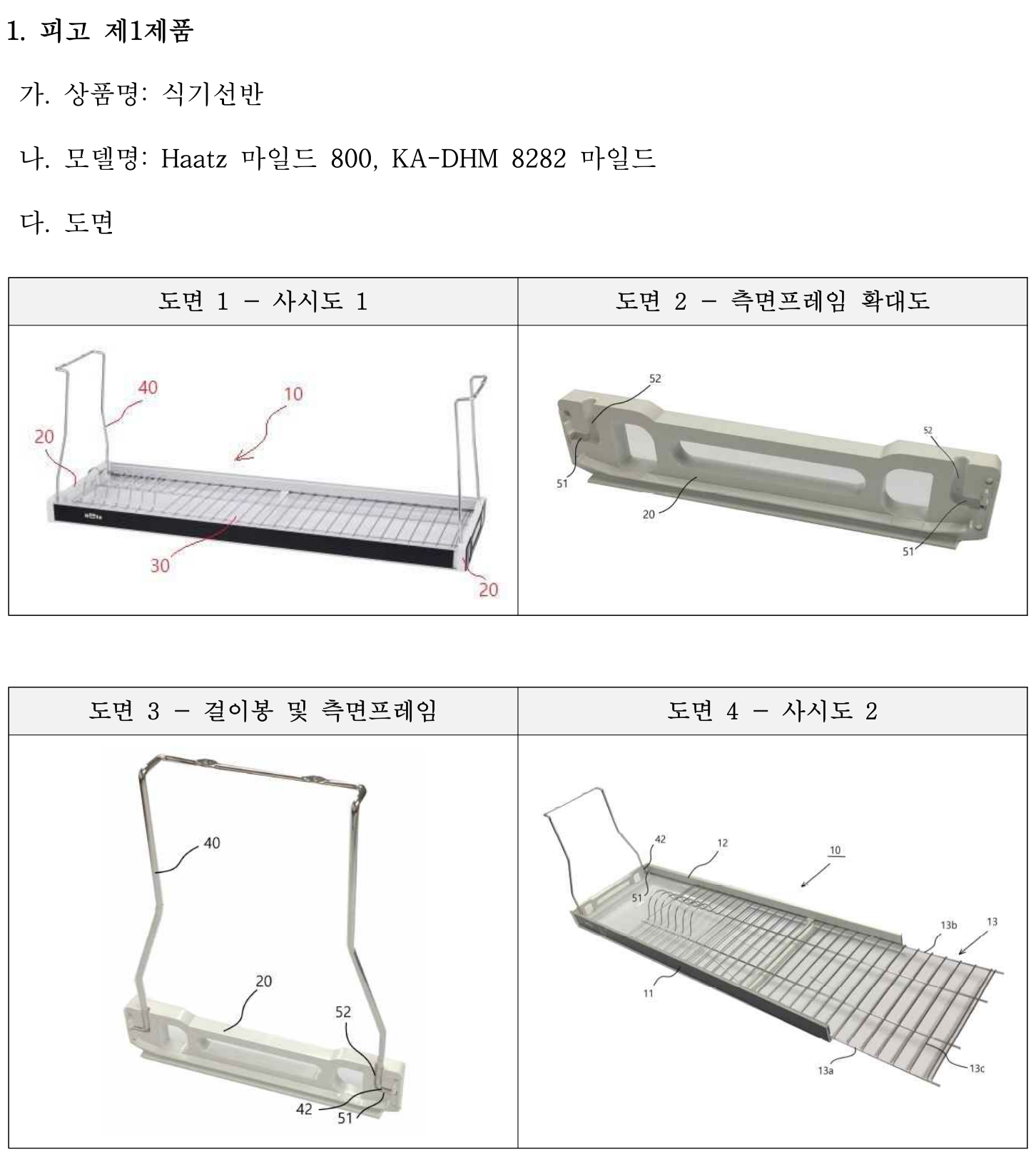
Both products could be assembled by pressing from above or sliding along the frame; the sliding method had been demonstrated at first instance. The choice of usual assembly method did not remove the claimed structures. The earlier Board scope-confirmation decision concerned a subject defined by a particular assembly method and therefore did not exclude other capabilities of the products actually marketed.
Why earlier sales did not exclude enhanced damages
Korean law permits enhanced damages for intentional infringement of a patent or exclusive licence within the statutory ceiling. The defendant argued that its first sale preceded the regime’s commencement on 9 July 2019, so later production and sales should also fall outside it.
The court distinguished acts before and after commencement. Most earlier units had been returned, production stopped for about nine months, and manufacture and sales resumed around March 2020. The subsequent 30 production-and-sale transactions were separated in time and differed in product combinations and customers. They were treated as distinct infringements to which the post-commencement rules could apply.
Intent, the base loss and the multiplier
The defendant had reason to appreciate the need to check competing products’ rights and received a cease-infringement request in September 2019. Related criminal proceedings found that, for earlier acts, it had recognised and accepted the possibility of infringement. The civil court considered those circumstances alongside both assembly possibilities and continued manufacture and sales after litigation began.
The claimant’s proposed per-unit profit did not reflect additional selling and administrative costs. Using records of 7,234 units, transaction frequency, the patented structure’s contribution to profit, the defendant’s own manufacturing technology and cooperation with customers, the court assessed base losses in three periods at KRW 15.5 million, KRW 4 million and KRW 0.5 million. It then considered awareness, repeated acts, profits, criminal fines and remedial efforts and applied a multiplier of three: KRW 46.5 million, KRW 12 million and KRW 1.5 million, totalling KRW 60 million.
Treble damages were the ceiling for the first two periods. The final sale on 14 November 2024 was subject to a fivefold ceiling, but the court still selected threefold damages. The appeal court maintained the prohibition on manufacturing and selling the products and disposal of stored finished and semi-finished products, while changing damages. The request to dispose of all production equipment was dismissed for insufficient identification of the equipment.
Product evidence and transaction records serve different purposes
Compare the description used in a scope-confirmation proceeding with the actual marketed product. A manual describing vertical insertion cannot settle scope if the structure also permits lateral sliding. Samples, component drawings and assembly videos can establish the product’s actual capabilities.
For damages, preserve the first sale date together with product-specific dispatches, returns, production restarts and customer records. Here, interruption and resumption of sales and differences between subsequent transactions mattered to the enhanced-damages rules. Evidence of structure and evidence of trade must be examined separately to assess infringement and compensation.
The original figure labels and forms are preserved; the text explains the source material.