

In case 2024Heo15011, decided on 24 July 2025, Korea’s Patent Court considered whether a fresh combination of prior art could reopen an issue settled by a final annulment judgment. The dispute concerned an automatically opening ventilation window for an outdoor air-conditioning unit.
The mechanism and the claims
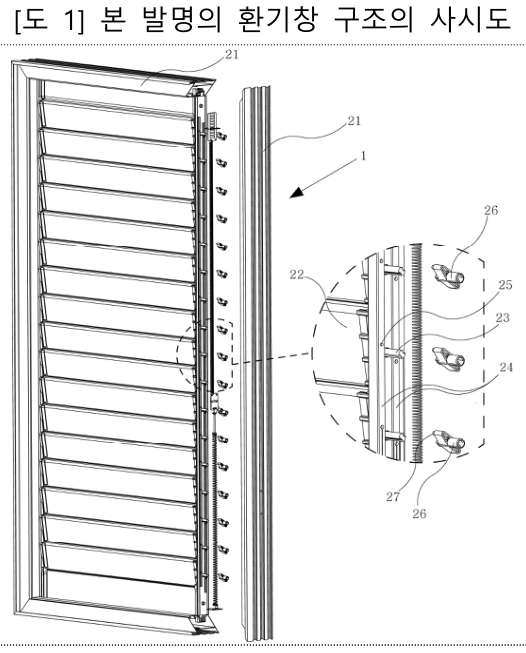
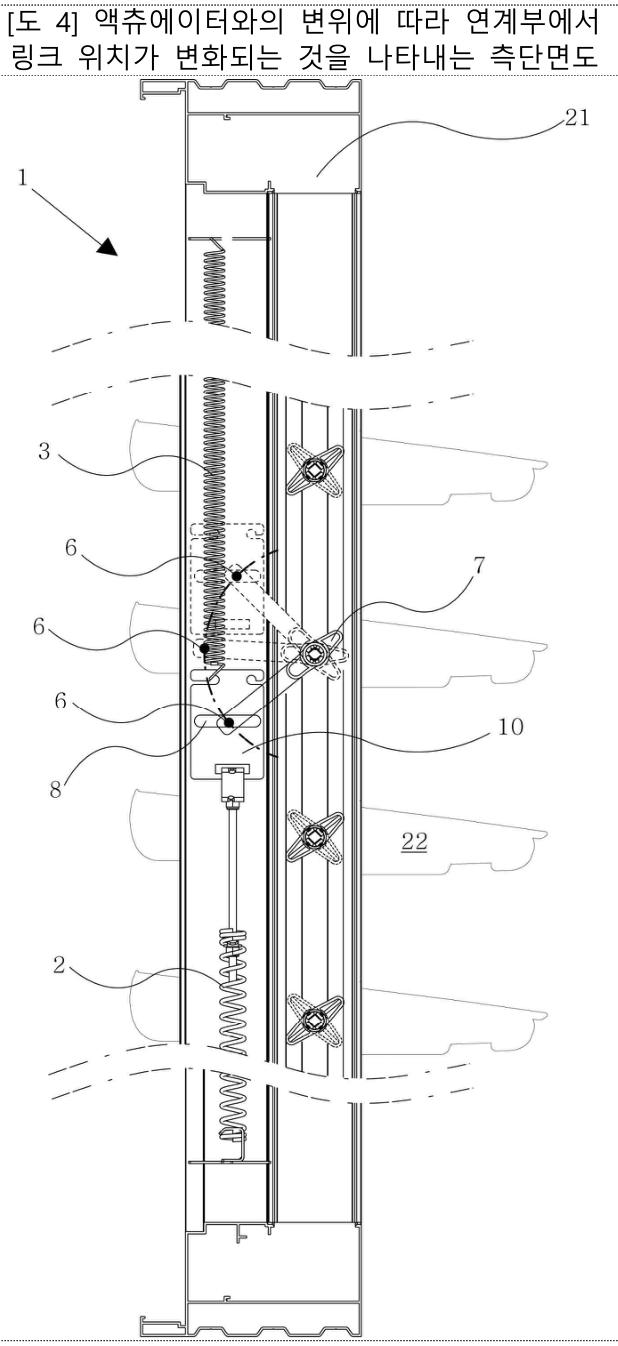
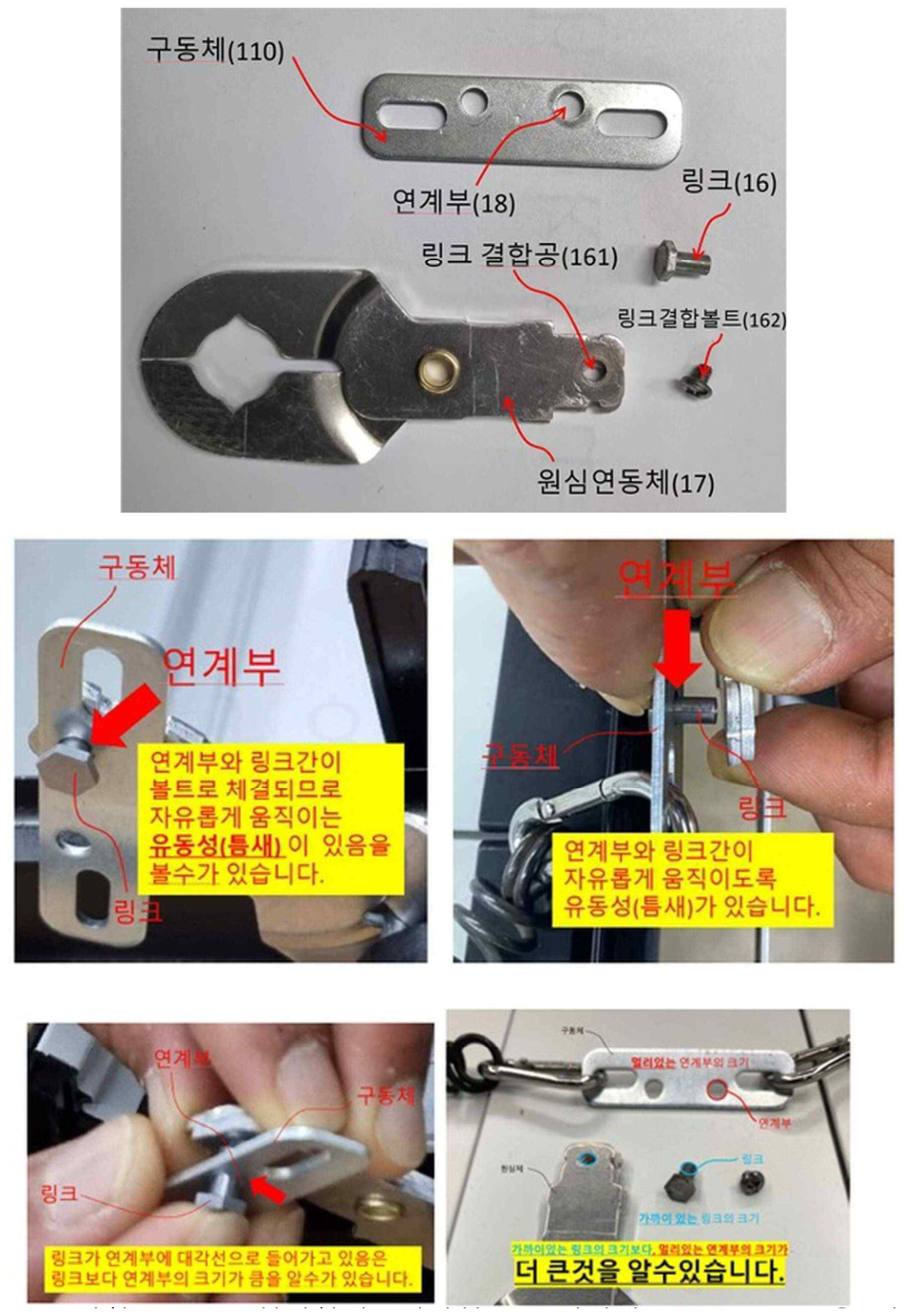
Patent No. 2122644 concerns linked louvres driven by a shape-memory spring responding to exhaust-air temperature and an opposing bias spring. The dispute involved claims 1 and 2, including the rotary link and its movable connection. The drawings show the window, the actuator’s movement and the identified product’s connection with clearance. The precise relationship between those components mattered more than a general resemblance between ventilation devices.
Why the case returned to the court
The tribunal initially found the identified invention outside the claims. In case 2023Heo11593, the Patent Court held that all claimed elements and their combination were literally present and rejected the prior-art defence then advanced. The Supreme Court dismissed the appeal on 4 April 2024. On remand, however, the tribunal accepted a different combination of prior art and again found the invention outside the scope. The patentee challenged that decision.
The limit imposed by the earlier judgment
Korean law recognises a defence that the identified technology was publicly known or readily implementable from known technology; it is not confined to equivalents. Here, however, literal coverage had already been established with binding effect in the same remanded proceedings. A new prior-art combination could not displace that determination. Scope confirmation compares the patent and the identified invention; it does not itself decide invalidity, an injunction or damages. The decision should therefore not be read as excluding the defence in every case of literal coverage.
The alternative technical assessment
The court also examined combinations 1+2, 1+6+7 and 7+1+5 on their merits. A prior mechanism guided a pin along an elongated slot, whereas the identified product used clearance at the connection. The cited materials did not sufficiently explain why a skilled person would replace the existing arrangements and arrive at that particular linkage. None of the combinations made the identified invention readily implementable. The court annulled the remand decision and found the invention within both claims.
Preparing the evidence and choosing the procedure
A useful comparison should map each claim element to drawings and explain the actual mechanical interaction. A prior-art argument needs a reason for the proposed combination and modifications, not merely a list of familiar parts. Where an earlier judgment exists, identify exactly which findings bind the remand tribunal. Keep scope-confirmation arguments distinct from invalidity proceedings and from civil claims for an injunction or damages.
The original figure labels and forms are preserved; the text explains the source material.