
When infringing products have been sold over several years, which sales can still support a damages claim? In case 2025Na10208, decided on 8 October 2026, the Korean Patent Court considered magnetic door holders and held that the ten-year limitation period ran separately from the damage caused by each sale.
1. The registered design and the four accused models
The plaintiff owned Korean registered design No. 411334, filed on 16 September 2005 and registered on 6 April 2006. It concerned a magnetic holder for an industrial machine door. The defendant’s magnetic latches served the same purpose and performed the same function.
The plaintiff alleged infringement by models DW3060, DW4040, DW3030 and DW4080. The model numbers shown on the products, a quotation and the defendant’s explanations together supported the finding that the defendant manufactured the accused products.
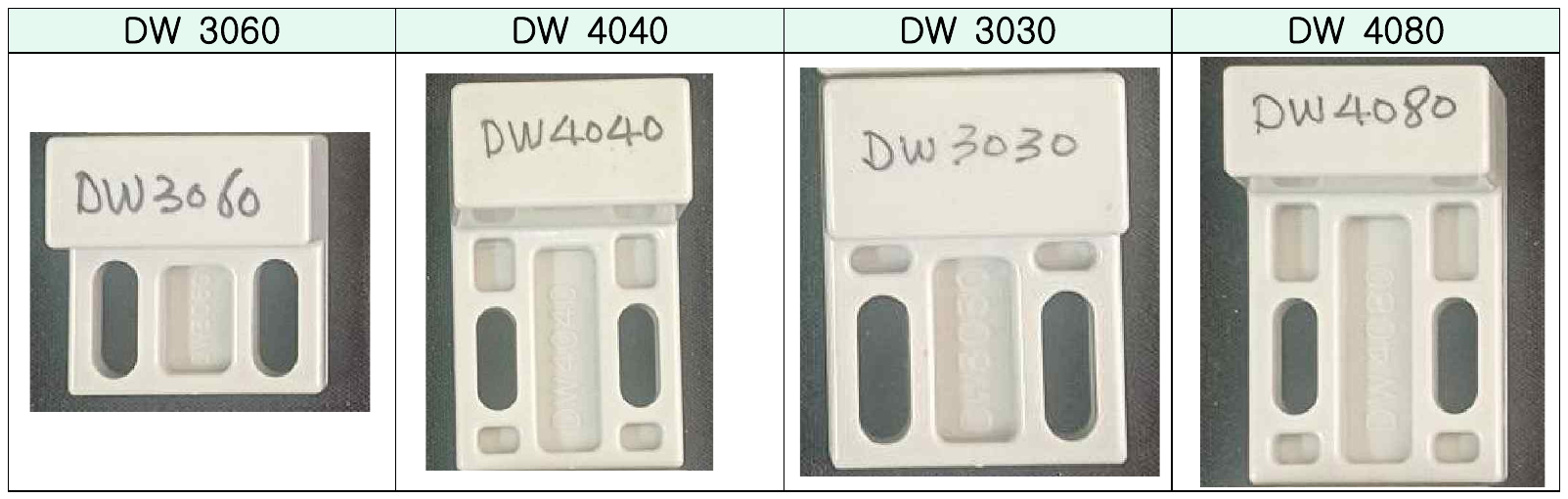
The accused products were substantially identical to designs registered by the defendant, including its similar-design registrations. The court therefore compared the plaintiff’s design with the drawings corresponding to those products when assessing the actual product designs.
2. Differences in the junction and holes did not change the overall impression
Both designs had an L-shaped arrangement, with a magnetic block perpendicular to a fixing plate. The block formed a thick rectangular prism, while the plate was approximately one-third as thick. The magnet was exposed on the underside; the plate had a central rectangular recess with oval openings above and below it.
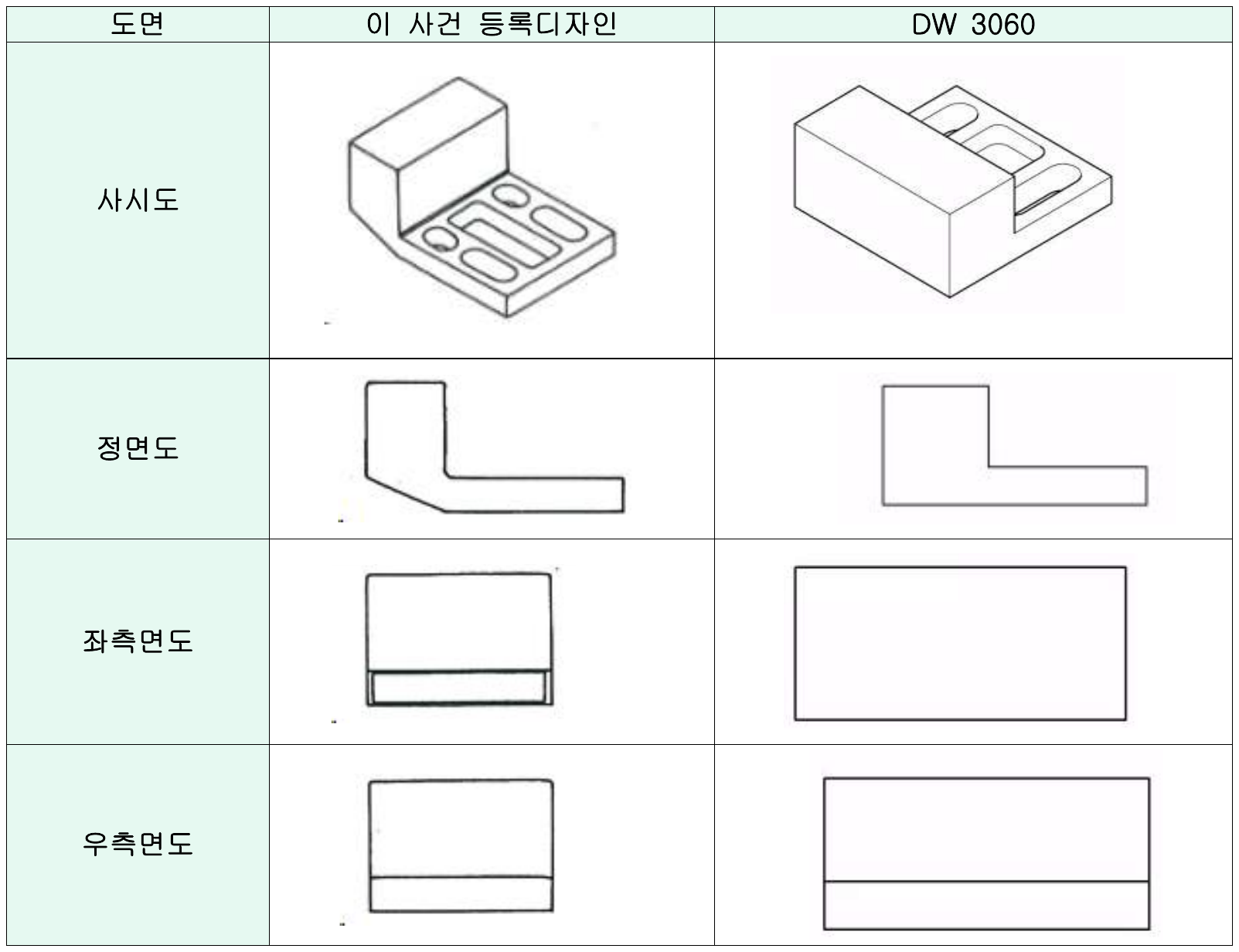
The plaintiff’s design had a sloping junction between the block and plate, whereas DW3060 had a right-angled junction. The plaintiff’s design also showed four oval openings of two sizes, compared with two openings on DW3060.
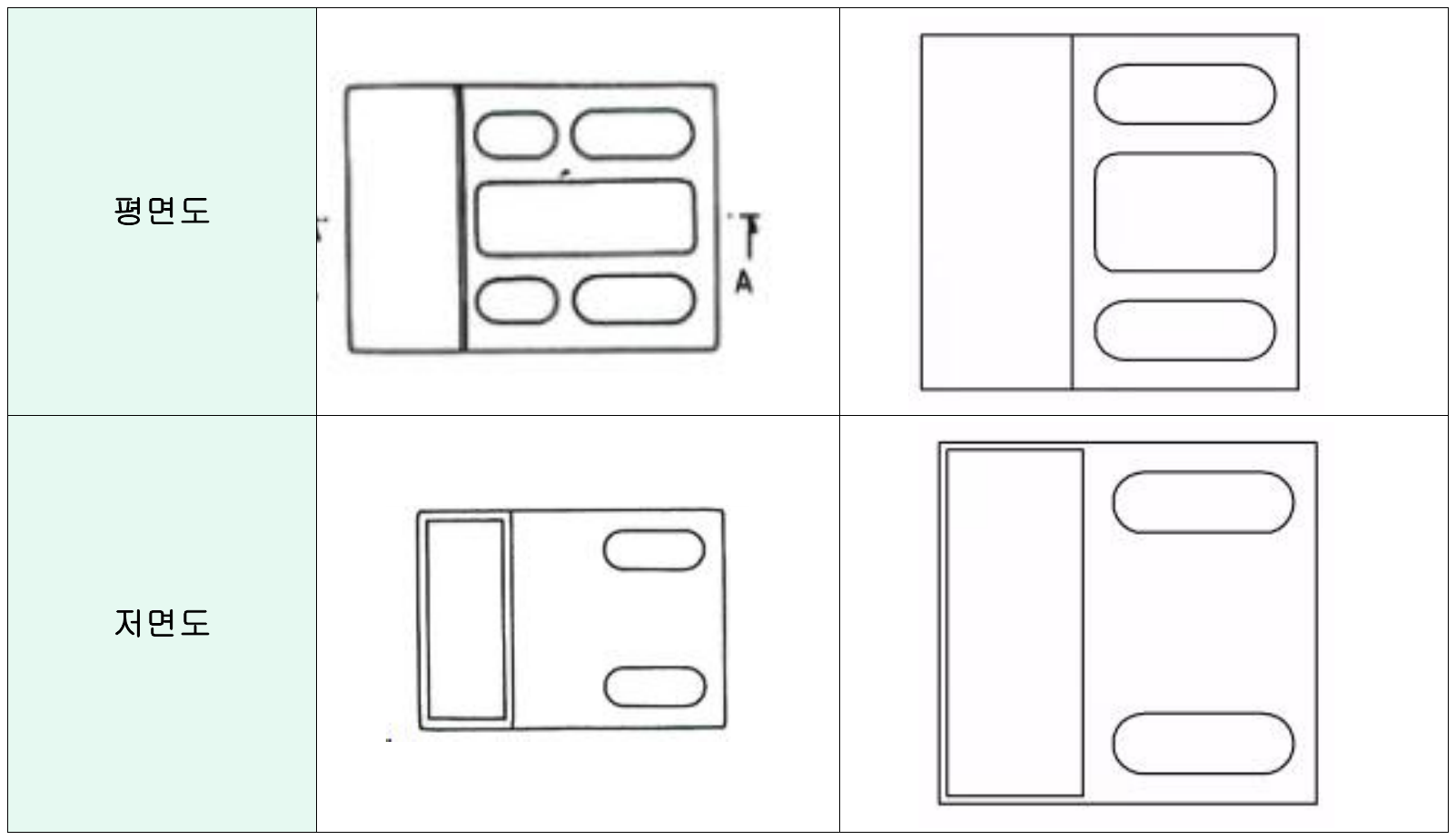
The junction was difficult to see once the holder was installed. The number and shape of the oval openings were minor variations that could be made to accommodate screws or bolts and commercial needs. They did not outweigh the shared features that created a similar overall aesthetic impression. The other three models likewise retained the overall design despite differences in details.
3. Sales evidence established the infringement period and intentional conduct
A quotation dated 14 November 2011, together with later sales records, product classifications and inventory materials, supported manufacture and sales between 14 November 2011 and 20 April 2020. The last established sale concerned DW3030. The evidence was insufficient to establish sales after that date.
The decision invalidating the defendant’s design registration became final on 28 February 2014. The defendant also knew of the invalidity proceedings and that the HFA product fell within the scope of the plaintiff’s design. Given the substantial identity between HFA and the accused products, the court found intentional infringement.
The parties operated in the same business and sold products of the same kind. Repeated sales of the accused products caused damage to the plaintiff. The defendant company and its representative were held jointly and severally liable.
4. The three-year period requires actual and specific knowledge
Under Article 766(1) of the Korean Civil Act, the three-year limitation period begins when the injured party actually and specifically knows of the damage and the person who caused it. The assessment includes awareness of the unlawful act and its causal connection with the damage.
The defendants argued that the plaintiff had obtained DW3030 in 2019 or 2020 and filed a criminal complaint on 20 October 2020, more than three years before bringing the civil action on 11 January 2024. The court accepted that, in light of the earlier HFA dispute and a 2012 notice, the plaintiff knew by the criminal complaint that DW3030 fell within the design’s scope.
That did not establish the required knowledge of the relevant sales quantities and periods. The criminal complaint concerned DW3030, while the civil action also covered three other models. On the evidence in this case, actual and specific knowledge of all the circumstances necessary for the damages claims was not established. The three-year limitation defence therefore failed.
5. The ten-year period ran separately for each sale
Article 766(2) of the Civil Act provides a ten-year limitation period running from the tortious act, assessed here by reference to when actual damage occurred. Where repeated acts can be identified separately, each act gives rise to its own damages claim.
Each sale of an infringing product caused separate damage. Because the action was filed on 11 January 2024, claims arising from sales between 14 November 2011 and 10 January 2014 were time-barred.
Claims arising from sales between 11 January 2014 and 20 April 2020 remained available. The court accordingly confined its damages assessment to that period; the date of the last sale did not preserve claims for all earlier sales.
6. The court assessed total damages at KRW 3 million
The plaintiff sought approximately KRW 70 million by estimating the share of the defendant company’s total revenue attributable to the accused products and applying an average manufacturing-sector operating margin. The assumed sales share lacked adequate support, and the sector-wide average margin was not a suitable basis for determining the profit from these products.
Under Article 115(6) of the Korean Design Protection Act, the court may determine a reasonable amount where damage is established but proving its amount is extremely difficult. Approximately 200 units per year over six years and three months gave an estimated 1,250 units. At the DW3030 price of KRW 4,000 per unit, estimated revenue was KRW 5 million. Taking material, labour and other costs into account, the court assessed damages at KRW 3 million.
The enhanced-damages provision introduced with effect from 20 October 2020 applied to infringements occurring after its commencement. The established sales ended on 20 April 2020, so that provision did not apply.
The Daegu District Court had awarded KRW 2 million at first instance in case 2024Gadan101589. The Patent Court awarded an additional KRW 1 million, together with delay interest, bringing the principal amount to KRW 3 million. It dismissed the remainder of the plaintiff’s appeal, the expanded claims and the defendants’ cross-appeal.
7. Evidence should distinguish the products, dates and amounts
Product model numbers, photographs, actual purchase locations and purchase dates help identify what was sold and when. Proof concerning one model does not by itself establish the sales period for other models.
For limitation and damages issues, organize separately the date of actual knowledge, the damage arising from each sale, and the quantities and prices. Evidence that establishes the scope of infringement and evidence that supports the amount recoverable serve related but distinct purposes.
The original figure labels and forms are preserved; the text explains the source material.