

The footrest dispute and the parties
In case 2025 Heo 10600, decided on 16 July 2026, Korea’s Patent Court addressed a procedural question preceding design similarity: had the individuals named as respondents actually practised the target design? Holding a representative-director position did not answer that question.
Design owner C held Korean registration No. 1225713 for a footrest used during pedicures. The application was filed on 26 July 2022 and registered on 24 July 2023. C identified a particular pedicure footstool as the target design.
On 22 January 2025, C requested an affirmative determination of design scope against A and B, the current and former representative directors of company I. On 19 September 2025, the Intellectual Property Trial and Appeal Board granted the request in case 2025 Dang 137 because it considered the designs similar. A and B sought cancellation, disputing both their personal acts and similarity.
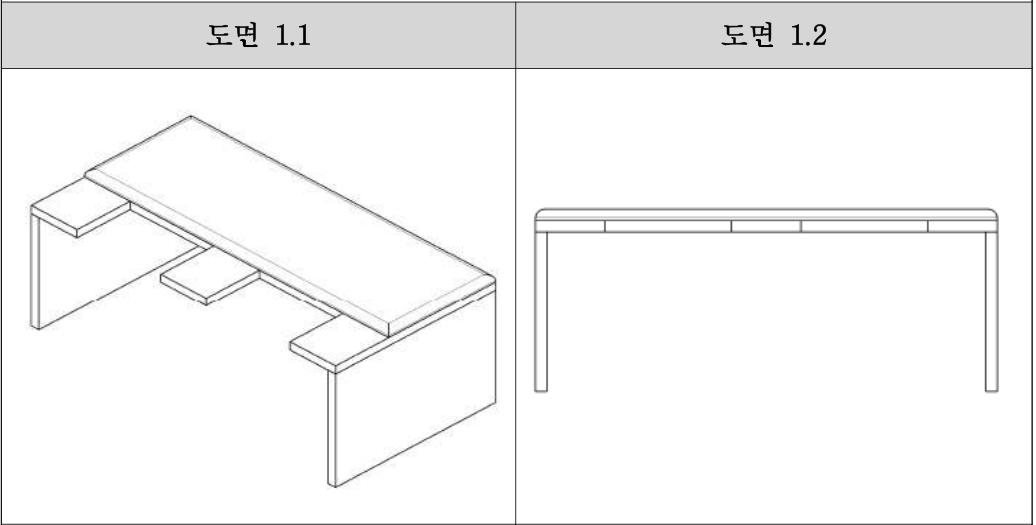
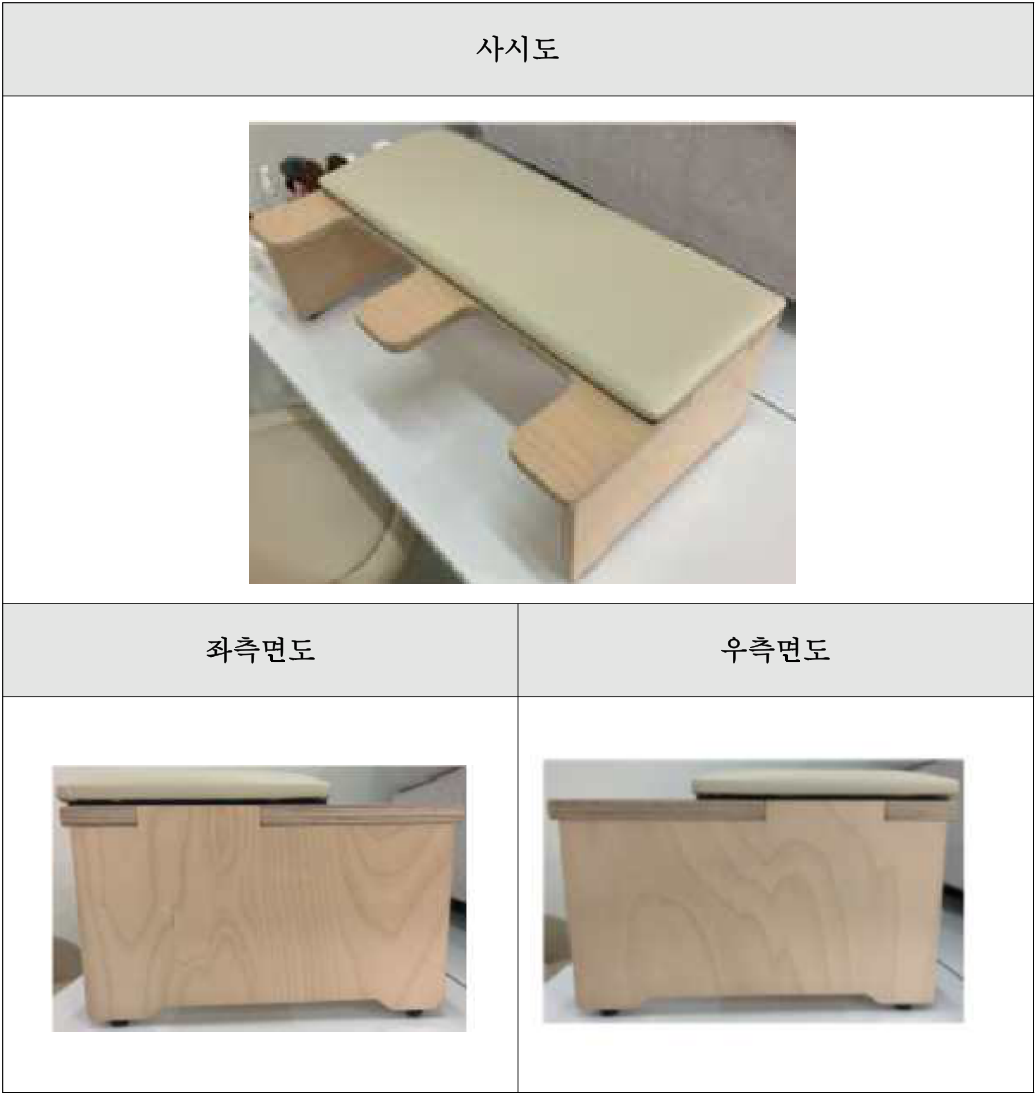
Actual practice is a threshold requirement
For designs embodied in physical articles, the Korean Design Protection Act defines practice to include producing, using, assigning, leasing, exporting or importing the article, and offering it for assignment or lease, including display for those purposes.
An affirmative scope-confirmation request directed against someone who does not practise the identified design lacks the required interest in obtaining that determination. It should be dismissed as inadmissible, before the tribunal reaches the substantive comparison.
The court therefore needed evidence connecting A and B themselves with relevant acts. General involvement in a business, management status or knowledge of a product is not automatically proof of practising a design within that statutory meaning.
Sales and social-media evidence had different timelines
The proven transaction was a sale by company E, whose representative was D. Around 15 February 2024, E sold three products to the online shop F for a total of KRW 198,000. That transaction was not a sale by A or B personally.
An employee of E created the Instagram account for brand G, where the product was promoted. Company I acquired and operated that official account around October 2024. A was I’s current representative director; B had held that office until 10 October 2024.
The parties agreed that the promotional posts relied on had been made before October 2024. Later acquisition of an account did not establish that I or its personnel had created those earlier posts. The dates of the posts and the transfer had to be examined separately.
Disposal consent and company conduct do not prove personal practice
An email from I’s employee stated that products had been obtained for marketing in mid-September. The correspondence also referred to reporting to the representative director and obtaining consent to dispose of all the products. The court assessed those materials together with the other evidence.
Disposal itself was not an act of practising the design under the statute. Consent to disposal did not establish that A or B had produced, sold or otherwise practised the identified design. The submitted evidence was insufficient to prove the acts alleged against them or I.
The court added an alternative analysis: even assuming promotion had taken place under I’s management, supervision or for its account, the company’s acts would remain distinct from acts of its representative directors personally. No separate personal practice was established. This was a hypothetical alternative, not a finding that I had in fact promoted the product.
The decision was cancelled without deciding similarity
The Patent Court cancelled the Board’s decision because the scope-confirmation request against A and B should have been dismissed as inadmissible for lack of the required interest. It should not have proceeded to a decision on the merits. C, the design owner and defendant in the court action, bore the litigation costs.
The court did not need to decide whether the registered and target designs were similar. The outcome must not be described as a ruling that the footstools were dissimilar or that the registration was invalid.
Nor does it confer blanket immunity on representative directors. The decisive failure was the absence of proof that these particular individuals had separately practised the specified design in the circumstances of this case.
Evidence should identify the actor as well as the product
Before bringing an affirmative scope request, identify the seller, contracting party, payment recipient and person responsible for the alleged production or offer. A product comparison does not replace evidence establishing the correct respondent.
For social-media material, preserve posting dates and distinguish earlier operators from later account holders. Corporate names, individual names, employment relationships and account-transfer dates may point to different actors.
If personal conduct is alleged, explain the evidence for that conduct separately from the company’s activities. Organising the actor, act and date together helps avoid litigating similarity before the procedural basis for the case has been established.
The original figure labels and forms are preserved; the text explains the source material.