

The dispute over curtain fabric
On July 8, 2026, Korea’s Patent Court dismissed the challenge to the IPTAB’s June 25, 2025 decision, 2024Dang1292. Design 0884955, filed May 12 and registered December 5, 2016, had been transferred to the defendant in 2021. The claimant argued that it had created the design alone or jointly with the original applicant E.
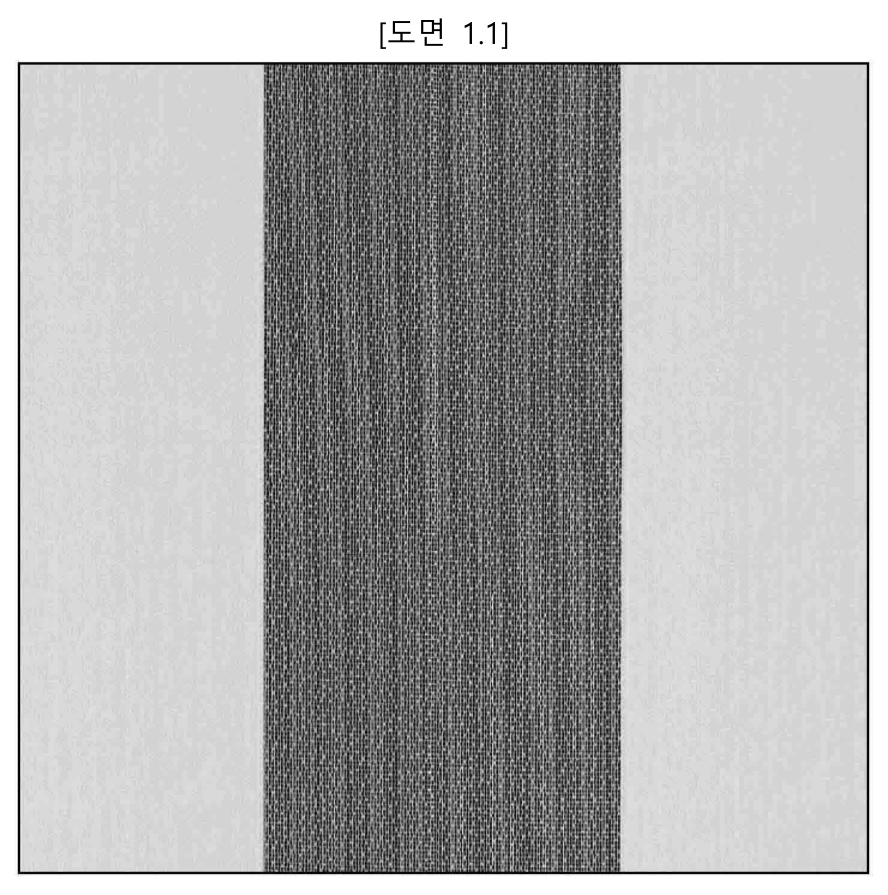
Creation is a separate contribution
The design has a transparent central strip between opaque sides, with a repeating vertical pattern. Under the applicable former Korean Design Protection Act, entitlement belongs to the creator or successor; joint creators must apply jointly. The party alleging invalidity had to establish lack of entitlement or an omitted joint creator. Participation in production does not by itself prove creation of the visual appearance.
What the commercial records established
The parties discussed production from late 2014, and the claimant supplied fabric from February 2015 to August 2016, including an item called PLAIN. The defendant later sold the registered design as Unislat Plain. These transactions established a supply relationship, but did not identify who devised the relevant appearance. Nor did E’s lack of a surviving weave diagram establish the claimant’s authorship.
Why the weave diagrams mattered
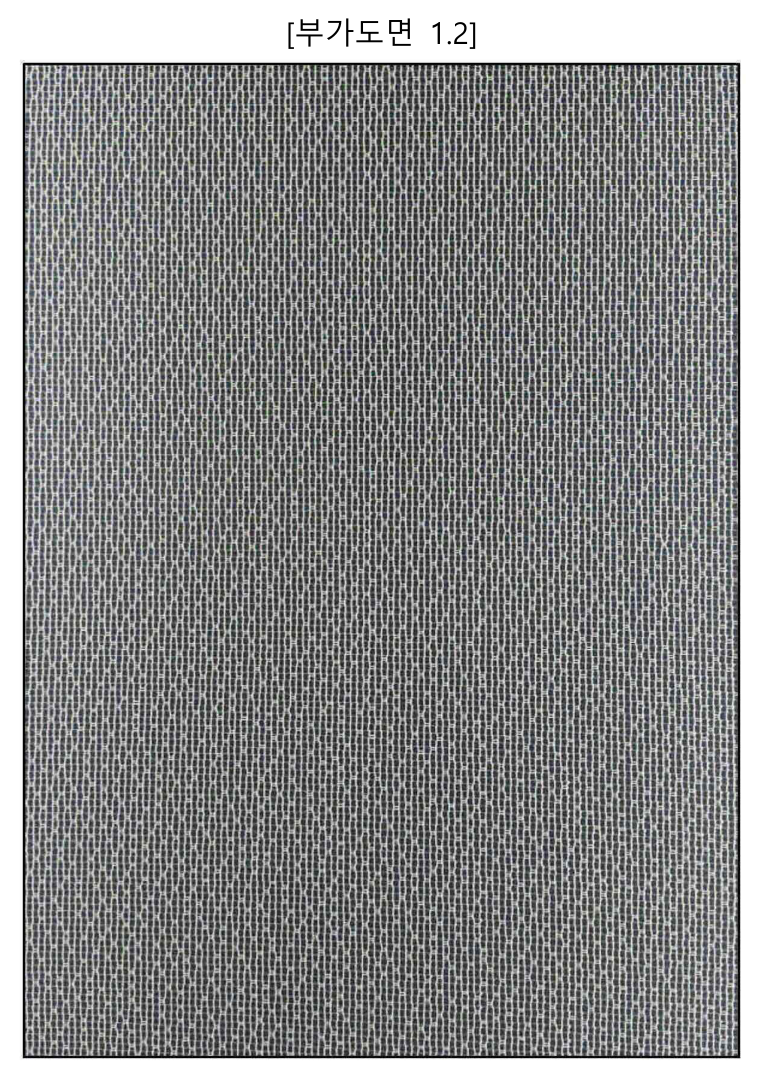
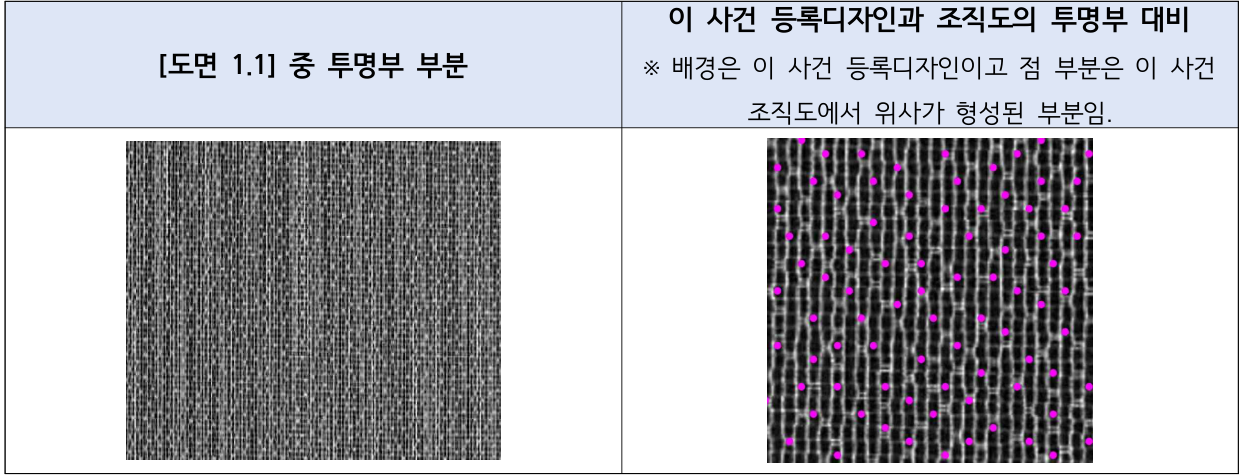
The claimant relied on revised weave diagrams dated December 18, 2014 and February 12, 2015. In the registered transparent strip, thick, undulating warp yarns appeared at regular intervals and thinner, straight weft yarns at irregular intervals. The diagrams did not reproduce that arrangement. The differences were substantial, and evidence did not support the explanation that knitting deformation caused them.
The result and its limits
Trial-weaving records and development photographs also failed to show the registered design. A September 1, 2015 blog post used the same product name for a different transparent pattern, undermining the asserted continuity. The court found insufficient proof of sole or joint creation and dismissed the cancellation action. It did not decide product infringement or rule that manufacturers can never be creators.
Document the path to the final appearance
Joint-development records should show who proposed and revised particular visual features, with dated drawings, samples and instructions. If intermediate and final forms differ, record the reason and supporting production evidence. Supply contracts, creative contribution and succession to rights are distinct matters; a project label or commercial relationship cannot replace proof connecting a person’s work to the registered appearance.
The original figure labels and forms are preserved; the text explains the source material.