

A cosmetic roller sponge and the claimed design
Korea’s Patent Court judgment of 22 July 2026, case 2024Heo15950, concerns a cosmetic roller sponge. The decisive question was whether an action challenging a scope-of-rights decision still served a legal purpose after the underlying design right disappeared.
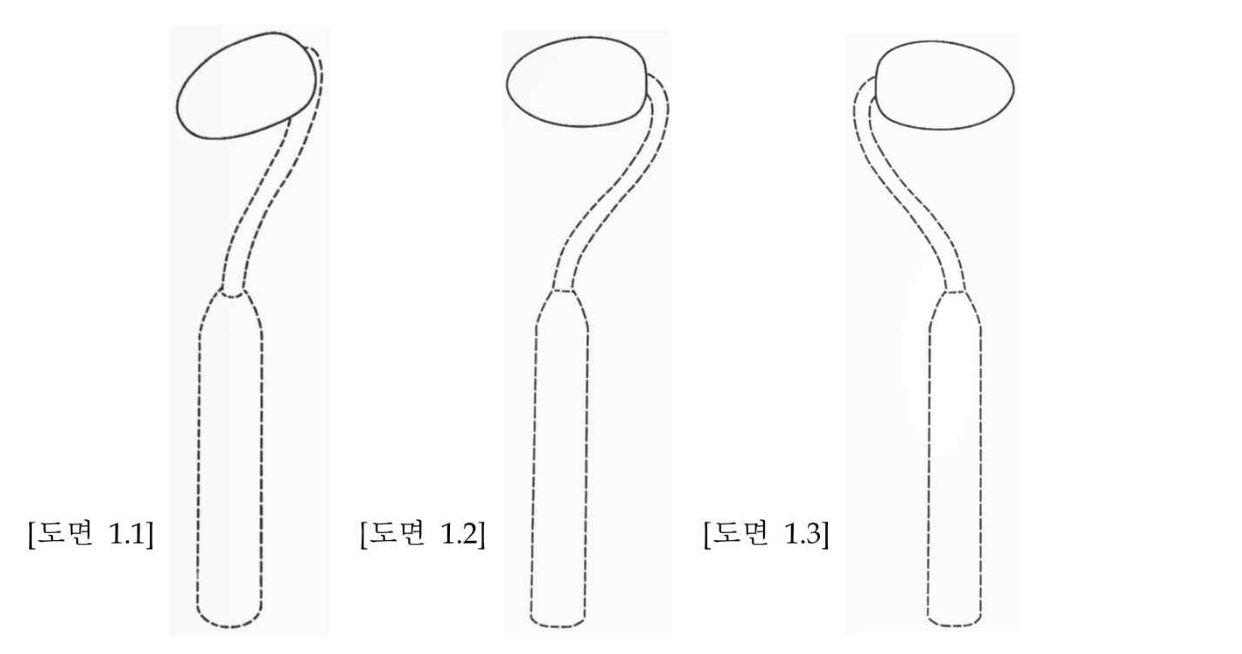
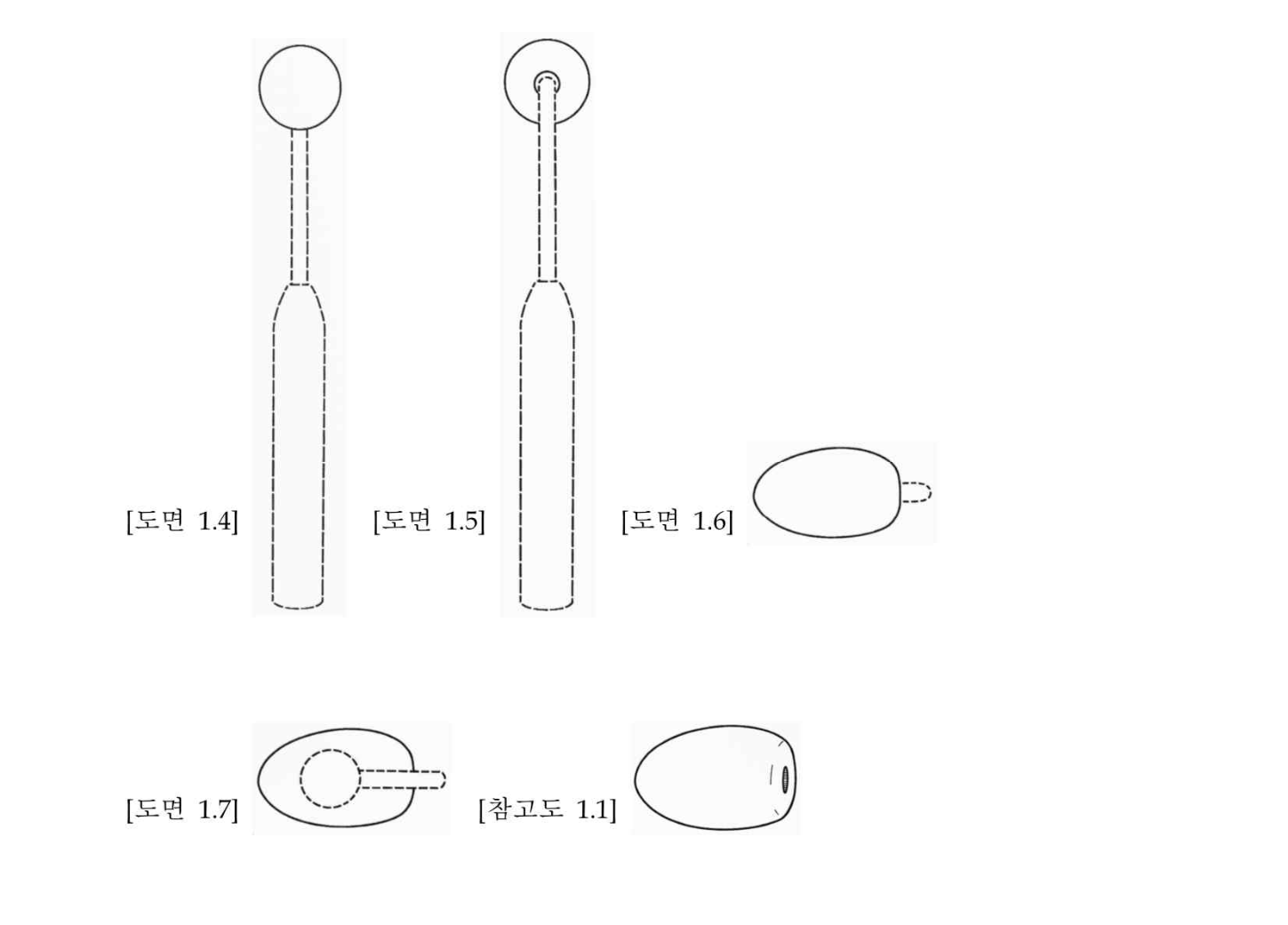
Design registration No. 1198560 was filed on 18 January 2022 and registered on 4 January 2023. The product uses a rotating sponge that can be detached and replaced to apply cosmetics to the skin.
Only the portions drawn in solid lines were claimed; the broken-line portions were excluded. Views 1.1–1.3, views 1.4–1.7 and reference view 1.1 therefore distinguish the protected portion from the whole product, including its handle.
Two proceedings with different objectives
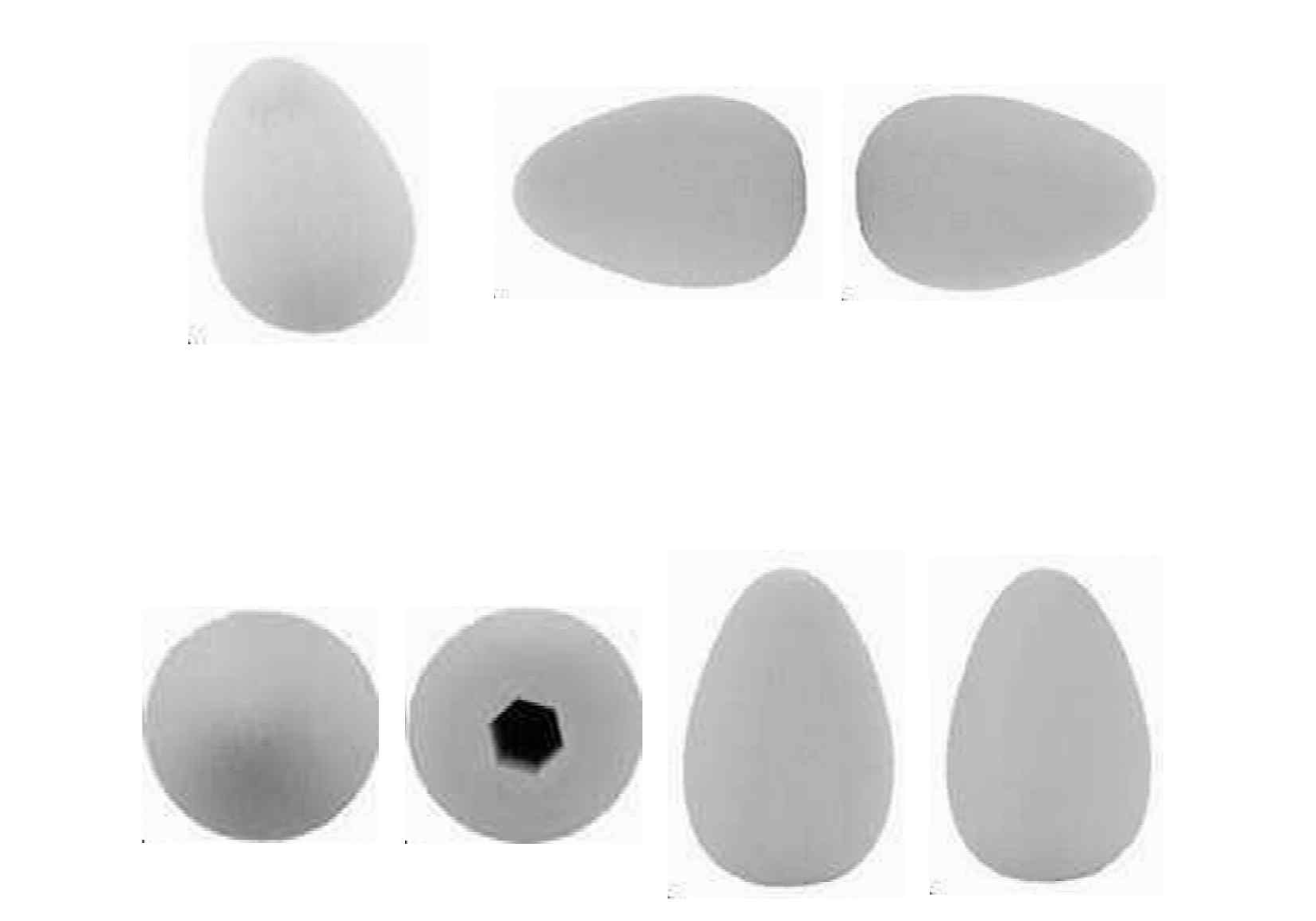
On 7 November 2023, the plaintiff requested a negative scope-of-rights confirmation trial. This Korean procedure asks whether a specifically identified design falls outside a registered design’s protection. The accompanying photographs show that identified design.
The plaintiff also challenged the registration’s validity. On 20 November 2024, the Intellectual Property Trial and Appeal Board rejected both requests: it found the identified design similar and within the protected scope, and separately found no ground for invalidation.
The plaintiff sought cancellation of each decision. In the separate invalidity case, 2024Heo15943, the Patent Court cancelled the rejection on 19 November 2025 because the registration should be invalidated. After that judgment became final, the matter returned to the Board; its subsequent invalidation decision became final on 29 May 2026.
No surviving right whose scope needed confirmation
The court explained that a scope-of-rights confirmation trial determines the boundaries of an existing design right. Once that right ceases to exist, there is no longer an interest in obtaining that confirmation.
Here, final invalidation meant that the design right was deemed never to have existed. This was the effect of invalidation, rather than simply the prospective expiry of a protection term.
The challenged scope decision consequently concerned a right that did not exist and was unlawful. Nevertheless, the plaintiff also lost the legal interest required to seek cancellation of that decision. An unlawful decision and a continuing interest in litigation are distinct questions.
Dismissal without deciding similarity afresh
The court dismissed the action as inadmissible because the necessary interest in bringing it had disappeared. A legal interest must remain relevant while litigation proceeds; commencing an action does not preserve it regardless of subsequent events.
This procedural dismissal did not reject the plaintiff’s non-similarity argument on its merits. Nor did the court conduct a fresh comparison and uphold similarity between the two designs in this judgment.
The original dispute concerned the scope of protection, but final invalidation in another proceeding changed the issue that determined the outcome. Reading the result requires following that procedural sequence.
The defendant was ordered to pay the costs
Although the plaintiff’s action was dismissed, the operative part ordered the defendant to bear the litigation costs. The court applied Article 99 of Korea’s Civil Procedure Act to that allocation.
The termination of the action and the allocation of costs must therefore be read separately. Dismissal of this action does not support an assumption that the plaintiff necessarily had to pay.
Equally, the costs order should not be turned into a substantive finding about the competing designs. The judgment’s procedural conclusion and its costs ruling each have their own significance.
Practical lessons for parallel design disputes
From a practitioner’s perspective, invalidity and scope proceedings should be managed together. Their purposes differ, but the result in one may alter whether pursuing the other still provides legally meaningful relief.
If invalidation becomes final while arguments about appearance are being prepared, counsel should reassess both the right’s status and the continuing need for the pending action. This procedural assessment is separate from comparing visual features.
When reporting a judgment, distinguish cancellation of a trial decision, rejection on the merits and dismissal for inadmissibility. In this case, tracking the parallel proceedings explains both why the action ended and why the costs were imposed on the defendant.
The original figure labels and forms are preserved; the text explains the source material.