

The Korean non-use dispute
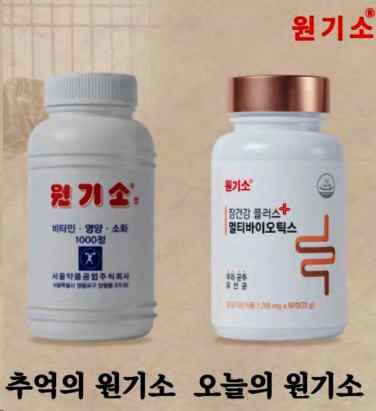
In case 2025Heo10297, decided September 11, 2025, the Patent Court overturned an IPTAB cancellation decision. An exclusive licensee had used the Wonkiso mark on a probiotic health functional food. After a cancellation petition filed December 27, 2023, the IPTAB held on February 6, 2025 that use on the relevant designated goods had not been established.

Identity of goods, not mere similarity
Article 119(1)(3) of Korea’s Trademark Act concerns unjustified non-use in Korea for at least three consecutive years before the petition. Use must concern the designated goods themselves or goods considered identical in commercial understanding; similarity alone is insufficient. Identity of the sign was undisputed. The issue was whether the product fell within excretion-promoting preparations or preparations for alleviating constipation. Use for medical dietetic foods was not pursued in court.
Reading the designation in context
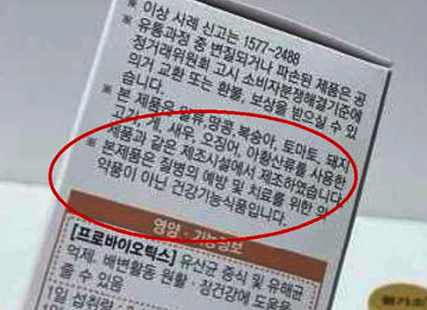
The court interpreted the goods as of the registration decision in 2012. The word referring to a preparation was not itself a statutory definition of a pharmaceutical, and the relevant items were not listed in the Korean Pharmacopoeia. Regulatory categories reflect different criteria and cannot automatically define trademark specifications. Examples of products changing from medicines to health functional foods also mattered.
Classification and actual trade
The 2012 classification materials included supplements for dietary or health purposes in Class 5; later materials expressly added fiber, probiotic supplements and health functional foods. Contrary Class 29 registrations and explanatory descriptions of medicines were considered, but were not conclusive. Function, quality, suppliers, internet and pharmacy distribution, and consumers seeking bowel-related relief supported commercial identity.
Why the cancellation decision was overturned
The exclusive licensee’s domestic use within the relevant three-year period was sufficient. The argument that sales lacked pharmaceutical authorization rested on an unduly narrow interpretation of the goods and was rejected. The court did not need to decide a further argument about an implied non-exclusive license. The ruling is neither a general sales-authorization exemption nor a finding that every supplement falls within every medicinal designation.
Evidence should connect the mark and the product
Keep dated packaging, sales records, manufacturing reports and product descriptions together so that the user, territory, period and goods can be identified. When products change, reconsider the wording of the existing specification and whether additional filings are appropriate. This case resolved non-use cancellation, not infringement or the legality of all health-product sales.
The original figure labels and forms are preserved; the text explains the source material.