
Which claim was challenged
On January 16, 2025, Korea’s Patent Court dismissed the action challenging invalidation of claim 28 of patent 10-1363559, concerning augmented reality using additional data. The patent was filed July 23, 2010 and registered February 10, 2014. The cited application was filed September 24, 2009 but published March 30, 2011, after the patent’s filing.
Earlier filing is a distinct test
Article 29(3) of the Korean Patent Act can apply to an invention disclosed in the original specification or drawings of an earlier application published later. The issue is identity, including substantial identity, not whether multiple references make a modification obvious. A minor addition, omission or substitution of conventional technology may preserve identity if it produces no new effect. Ease of modification alone does not resolve that test.
What the AR method did
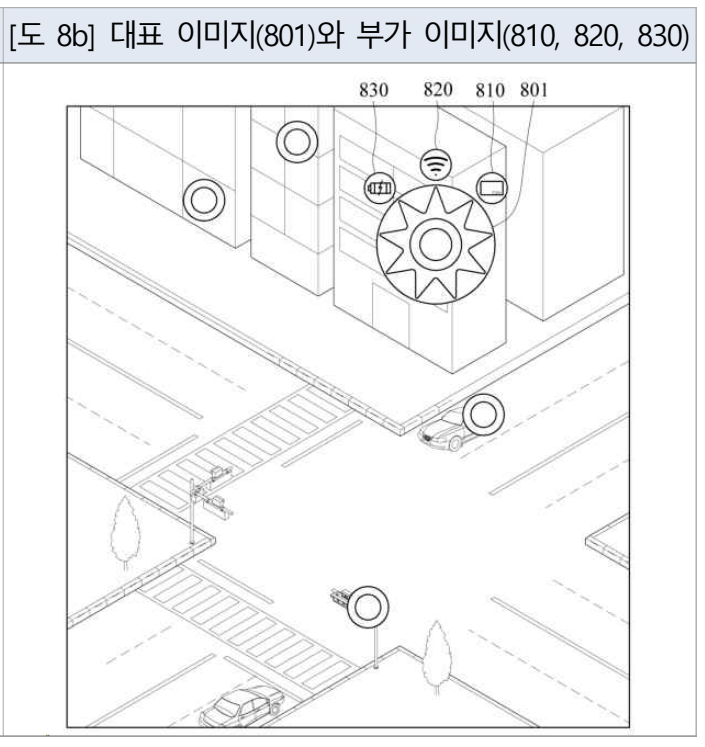
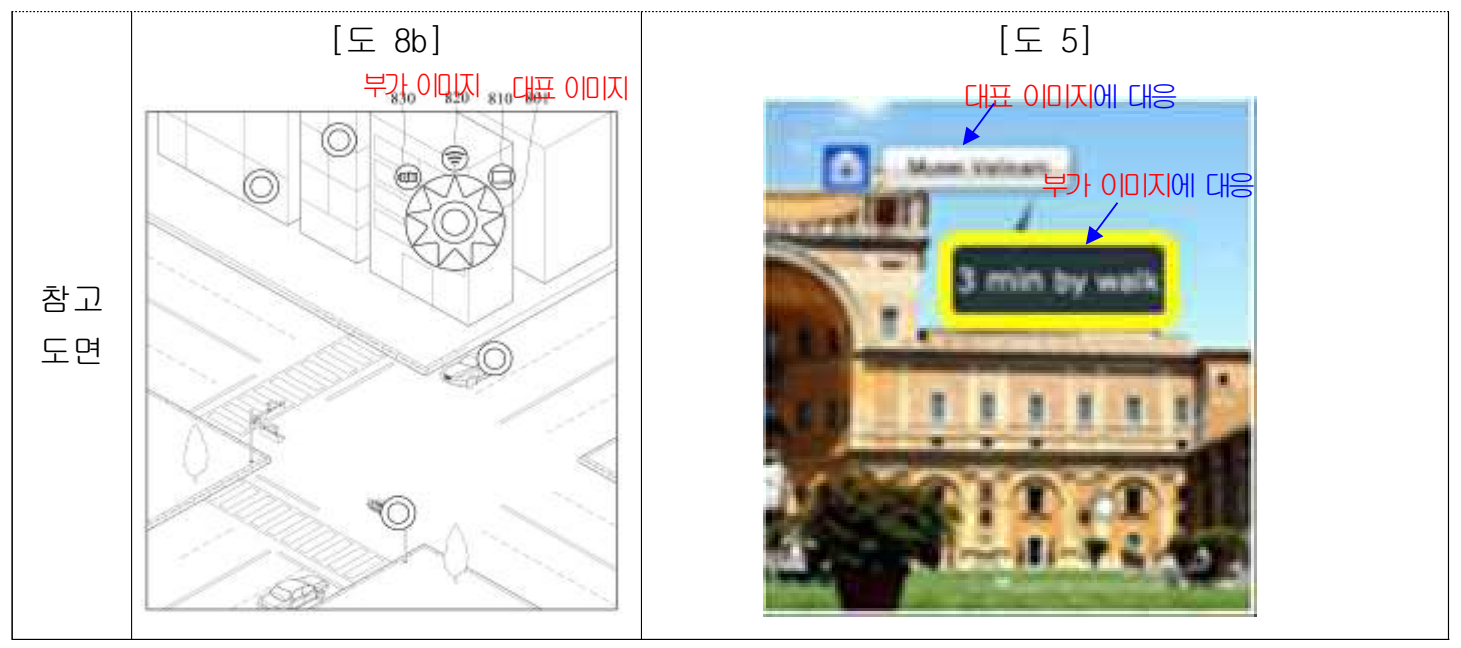
Claim 28 obtains first data about an object and different second data, creates a representative image and an additional image, and combines them; comparison and analysis inform the additional image. A café logo with Wi-Fi or charging icons was a specification example, not a verified commercial service. The earlier disclosure displayed points of interest on a camera image and calculated travel distance and time using location information.
The meaning of generating an image
The specification allowed extraction of a received logo or selection of a stored or searched image. The court did not confine generation to drawing something new. Displaying an image associated with a selected point of interest performed substantially the same function. Likewise, replacing travel-time information with a simple icon was a conventional change without a new effect. The joint display entailed combining information even without that exact verb.
Why claim 28 remained invalid
The claim and specification did not exclude text images; the earlier display used fonts, colors, rectangles and building graphics. The identified differences were minor and produced no new effect, so the earlier-filing ground was upheld. A separate inventive-step argument based on another reference did not form the decision’s basis. The ruling addressed claim 28 only, not every claim, a fresh application refusal or product infringement.
Describe operations and effects concretely
Terms such as generate, analyze and combine should be supported by the actual inputs, processing and technical results. When an operation differs from selecting existing information, explain the means and consequence consistently in the claims and description. Prior-art review should check filing and publication dates separately, including the original disclosure of earlier applications that became public later.
The original figure labels and forms are preserved; the text explains the source material.