

Different outcomes for two registrations
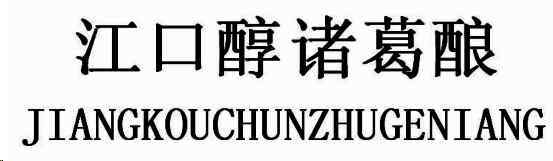
In 2025Na10215, decided on 10 September 2026, the Korean Patent Court examined Chinese baijiu sold with Zhuge Liang signs. The claimant relied on ownership or exclusive-use rights in two marks. For the first, combining 江口醇诸葛酿 with JIANGKOUCHUNZHUGENIANG, the court declined to isolate 诸葛酿 as an independently dominant element and found no infringement on an overall comparison.
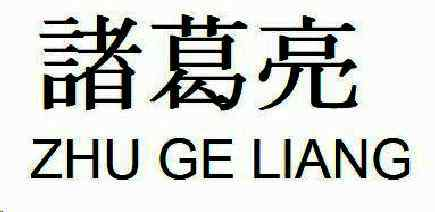
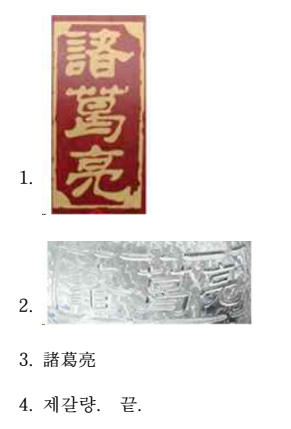
For the second mark, 諸葛亮 with ZHU GE LIANG, the Chinese characters independently indicated origin. The defendant’s signs evoked the same historical figure and pronunciation on identical goods. Packaging layout, separate bottle markings and online descriptions supported infringement; the addition of another character or syllable to a longer product name did not resolve the issue.
Registration and the beginning of actual loss differed
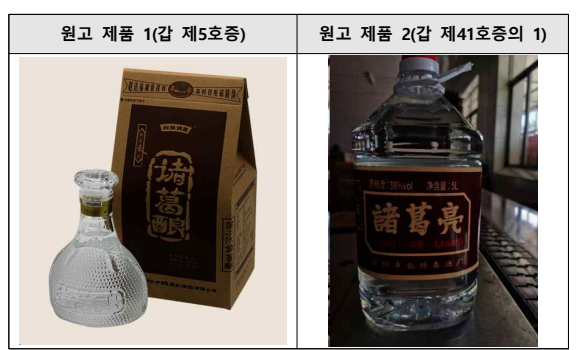
The second mark was registered on 29 March 2021, but compensable trading loss began on 8 August 2023, when the claimant first imported product 2 bearing it. Earlier sales of product 1 under the different first mark did not establish earlier use of the second mark.
Later imports and sales by an affiliate were treated as continuation of the claimant’s business in light of licensing arrangements, management links, quality control and supervision of use. The loss period ultimately ran from 8 August 2023 to the end of infringement on 26 June 2025.
Only part of the infringer’s profit was attributable to the mark
After deducting directly related variable costs, the defendant’s profit was KRW 650,895,798. The statutory presumption equating infringer profit with the claimant’s loss was rebutted for 65%; the court attributed 35% to the infringing use.
The claimant’s 5-litre product and the defendant’s 250- and 480-millilitre products differed in price and substitution potential. The defendant had entered the market around four years earlier and had its own distribution network and sales effort, with significantly different sales volumes. Nevertheless, use of Zhuge Liang as the central product name contributed to profit. Year-by-year compensatory damages totalled KRW 227,813,529.
The doubling applied only to intentional infringement
The defendant’s invalidity petition failed on 19 June 2024, followed by dismissal of its court challenge on 13 February 2025. Continued sales after the latter decision were treated as intentional infringement through 26 June 2025. The court doubled damages for that period, not the entire loss period. The infringement ended before the higher statutory ceiling took effect on 22 July 2025, so the former law applied.
The additional award was KRW 63,866,789, calculated from 2025-period profit of KRW 241,032,446 × 35% × 134/177 days. Together with compensatory damages, principal totalled KRW 291,680,318. Compensatory delay damages ran from the end of the respective annual infringement periods; the enhanced component carried 5% annual delay damages only from the day after this judgment becomes final.
Maintain a timeline supported by commercial records
Registration, actual commercial use and the evidence supporting intent are separate dates. Preserve labels, import records, invoices, licences and quality-control records rather than relying on the registration certificate alone.
After an infringement notice or rejection of an invalidity argument, reassess the consequences of continued sales. Exposure depends on costs, the mark’s contribution, independent distribution efforts and the relevant periods. Neither total sales nor the phrase double damages supplies the calculation by itself.
The original figure labels and forms are preserved; the text explains the facts and the court’s reasoning.