
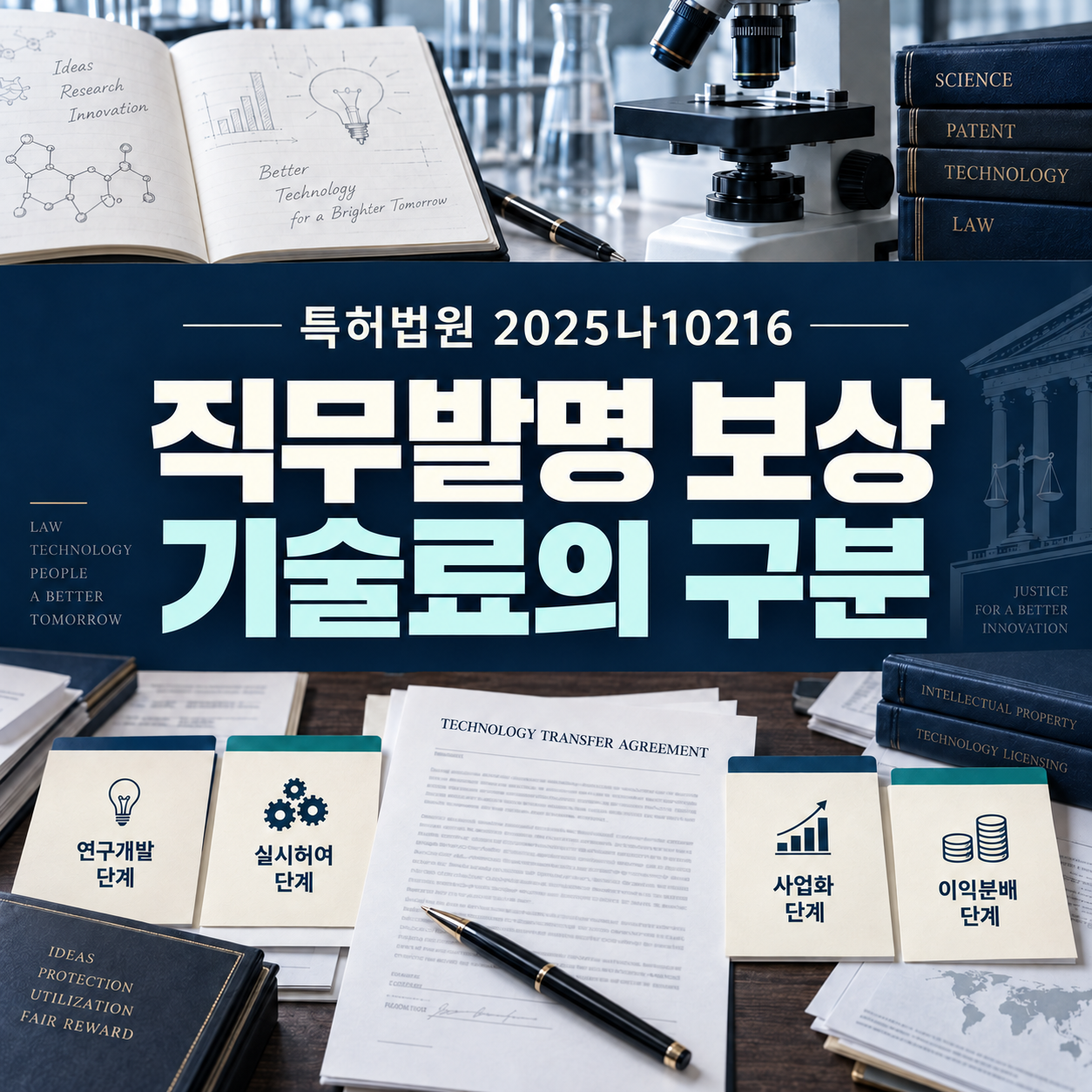
A 5% contractual fee was not a 5% inventor entitlement
The Korean Patent Court’s decision of 10 September 2026 in 2025Na10216 concerned compensation for an employee invention relating to the BNR17 strain. Bioneer had succeeded to the employee’s invention rights and licensed a technology package to AceBiome for 5% of contract-product sales. That fee covered more than the patent: it also included use of the strain itself, trade marks, know-how and experimental materials.
The fee paid between the companies was therefore not the employee’s compensation rate. The court examined the contract and actual exploitation, including BNR17 and AceBiome branding on packaging. Although the contract listed other patents, the parties agreed that only the patent at issue was practised in the relevant products.
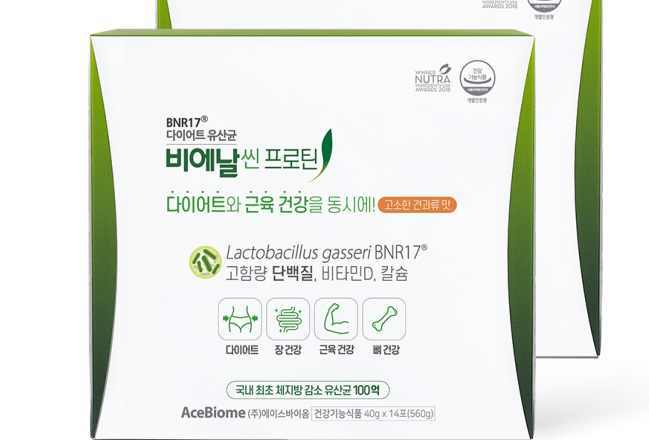
The court’s 40:40:10:10 allocation was case-specific
The court attributed 40% of the fee to the patent, 40% to use of the strain, 10% to trade marks and 10% to know-how and experimental data. Permission to practise a patent and permission to use a supplied biological material are different assets. The strain’s availability for mass production was commercially significant; technical data supported production and regulatory procedures for functional ingredients.
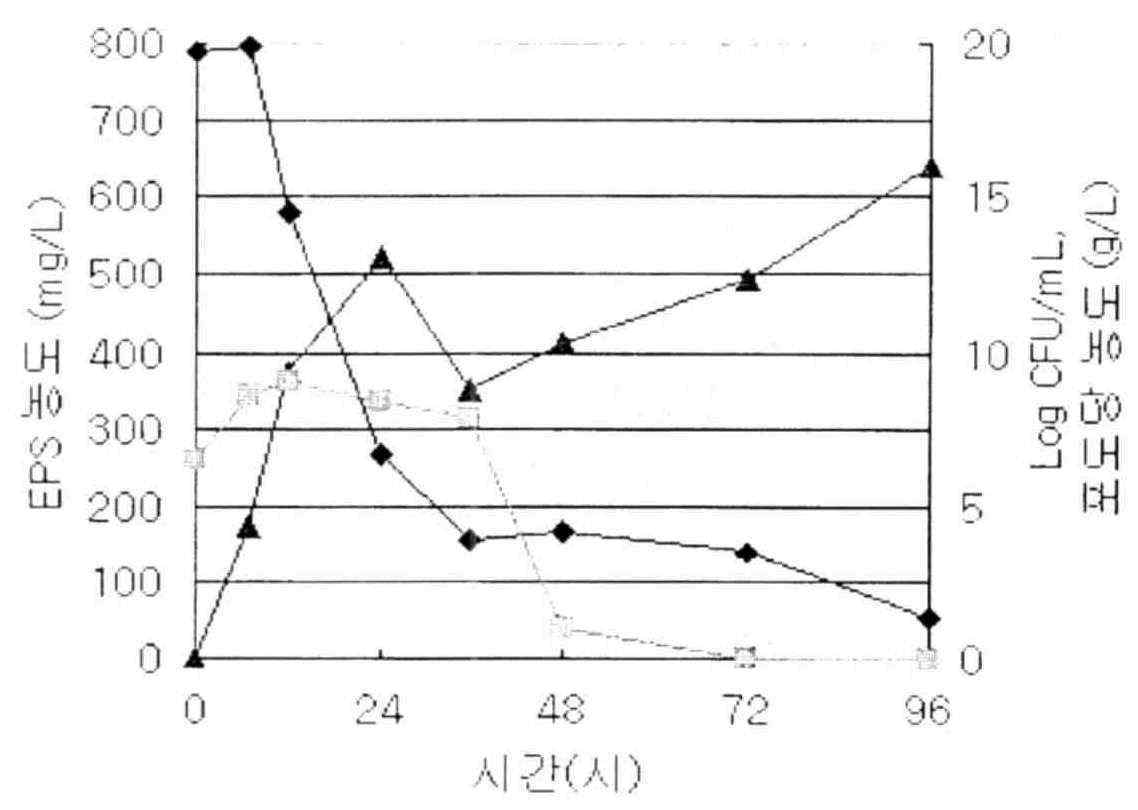
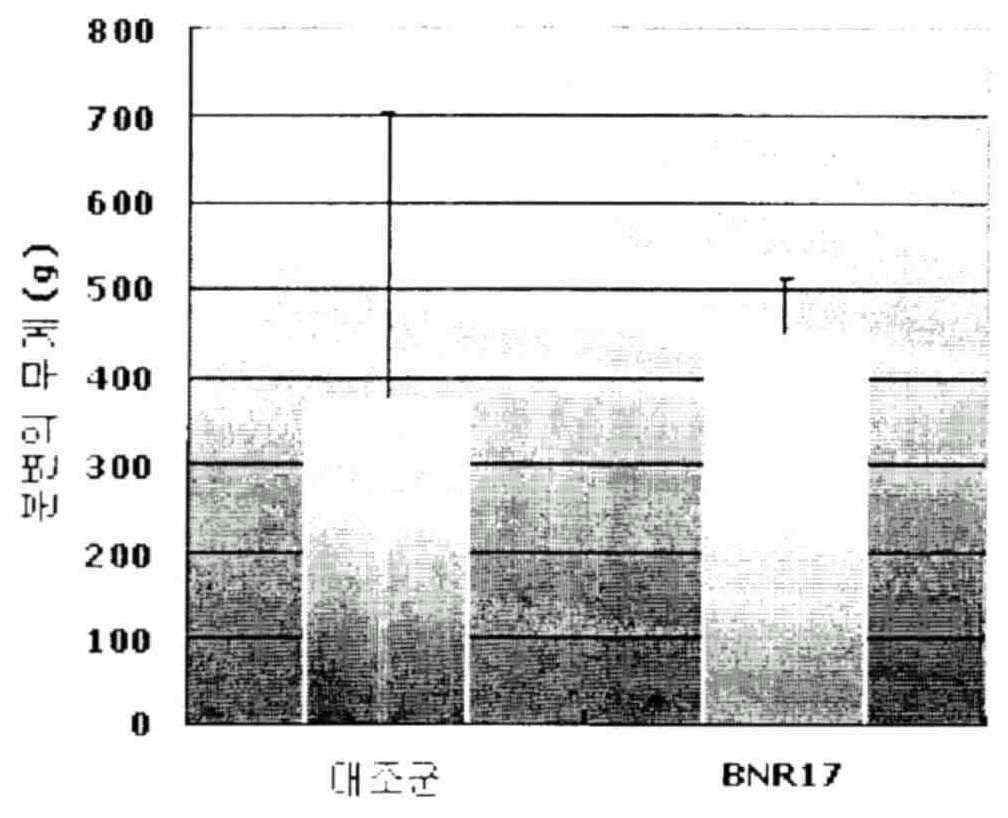
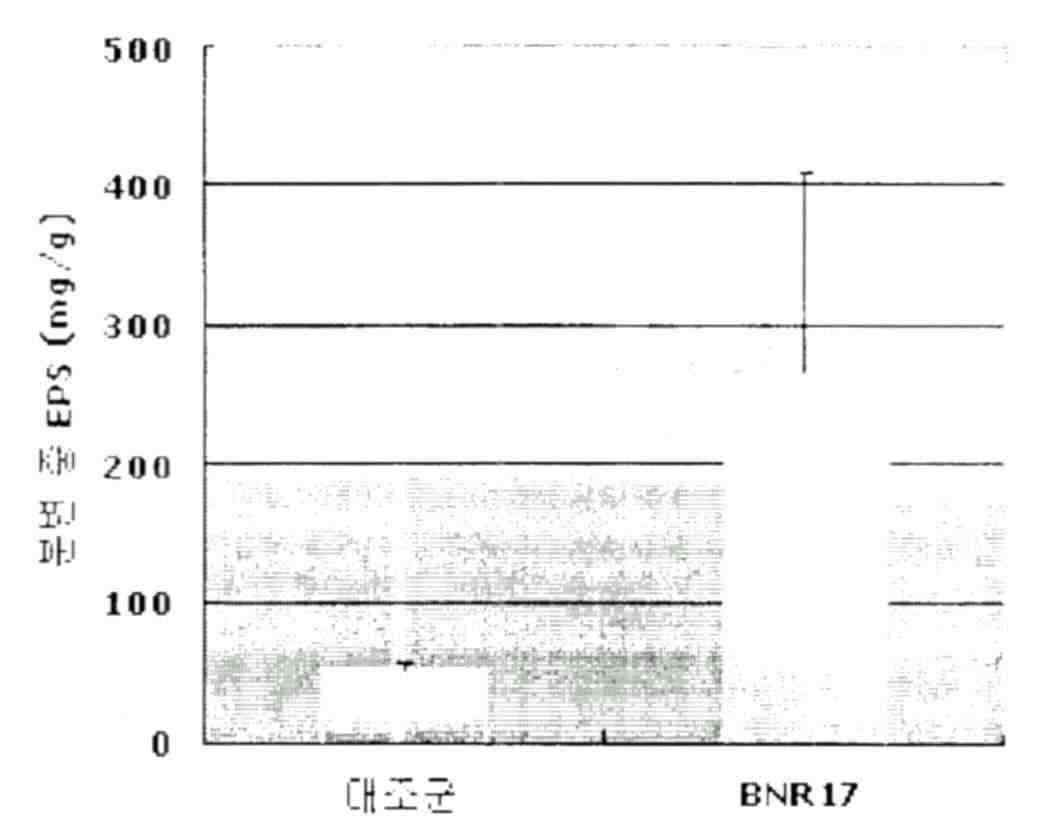
These percentages reflect this contract and its evidence, not a general allocation rule. The patent’s figures also serve a different purpose: Figure 4 plots bacterial count, glucose and polysaccharides over culture time; Figures 5 and 6 compare faecal output and faecal polysaccharides between control and BNR17-treated groups. They explain the technical invention, not the royalty allocation.
Reasonable projections through patent expiry
The court considered fees already received and fees reasonably expected through expiry on 14 May 2027. It rejected both an assumption of continuing sales growth and a mechanical extension of a prior annual decline. Instead, it used the latest first-quarter 2026 royalty data and discounted future receipts to present value.
Total technology fees were assessed at KRW 78,137,977,755. The 40% patent component, KRW 31,255,191,102, formed the employer-benefit base for compensation.
Two contribution ratios answered different questions
The inventors’ contribution to the overall result was set at 10%, taking account of the employer’s accumulated research, personnel, facilities, investment in mass production and commercialisation, and associated risks. Separately, the claimant received a 50% share among the co-inventors for setting the research direction and designing experiments, while other contributors’ experiments, guidance and strain selection were also recognised.
Applying 10% and then 50% to KRW 31,255,191,102 produced compensation of KRW 1,562,759,555. The court varied the first-instance judgment, ordered that sum plus delay damages, and dismissed the remainder of the claim.
Limitation and internal procedures mattered
The former Korean Patent Act applied by reference to the succession date. The employer’s argument that ten years had elapsed failed: its work rules required a committee to determine eligibility and amount, but the committee had not met. The court treated that as a legal impediment to exercising the claim, rather than assuming that every old invention claim remains enforceable.
Technology agreements should distinguish rights, materials and information and retain evidence of their actual use. Researchers should document inventive concepts and experimental design; employers should preserve research and commercialisation records and operate their compensation procedures. The proper calculation depends on those records, not a sales percentage alone.
The original figure labels and forms are preserved; the text explains the facts and the court’s reasoning.