

An earlier product model is not the complete evidential chain
In its 20 August 2026 judgment in 2025Heo10557, the Korean Patent Court upheld the rejection of an invalidity challenge to design registration 1210395, covering a pressure-cooker lid clamp. The application was filed on 14 September 2022 and registered on 30 March 2023. The challenged tribunal decision was issued on 18 September 2025 in 2024Dang1552.
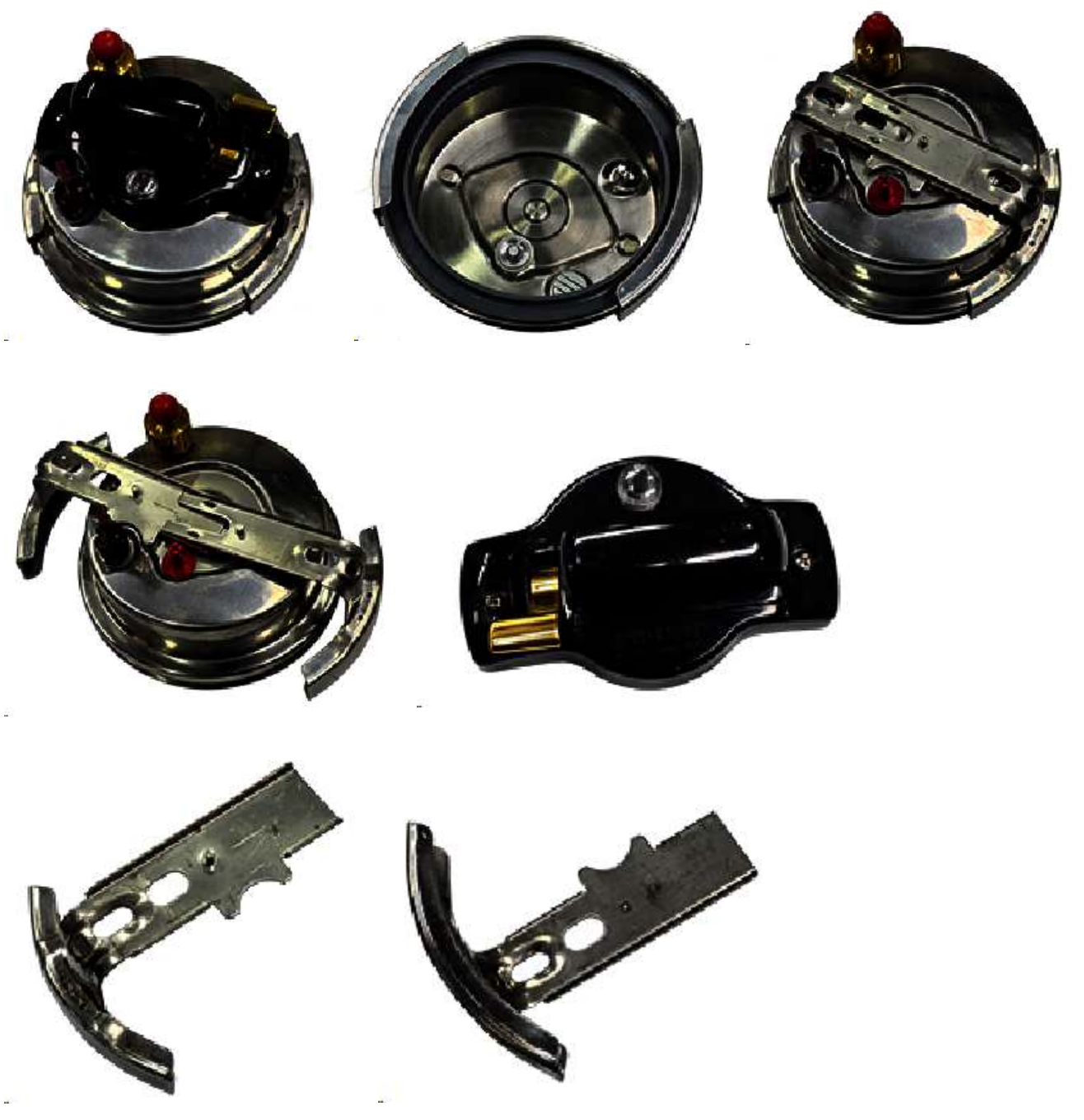
Prior design 1 was shown in a photograph of a clamp removed from a lid. Public availability does not require proof that numerous people actually saw a design, but the challenger still had to establish that this particular appearance had been available to an unrestricted public before filing. Evidence of earlier sales, deliveries, websites, YouTube videos and reviews of complete cookers did not show the whole clamp.
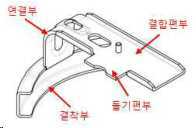
Connect the object, date and manufacturing history
The DS1100 cooker relied on for the removed component was purchased on 16 October 2024, approximately two years after filing. An unchanged model name did not establish that its internal parts had retained the same design. The record lacked a sufficient production or change history connecting the later specimen to the earlier products.
Statements without reliable delivery dates and product identifiers did not close the gap. Nor did restaurant photographs and their metadata establish that the photographed lid, the later disassembled product and the asserted clamp were the same object at the relevant date. The problem was proof of disclosure, not simply the existence of old cooker sales.
Compare the component as a design in its own right
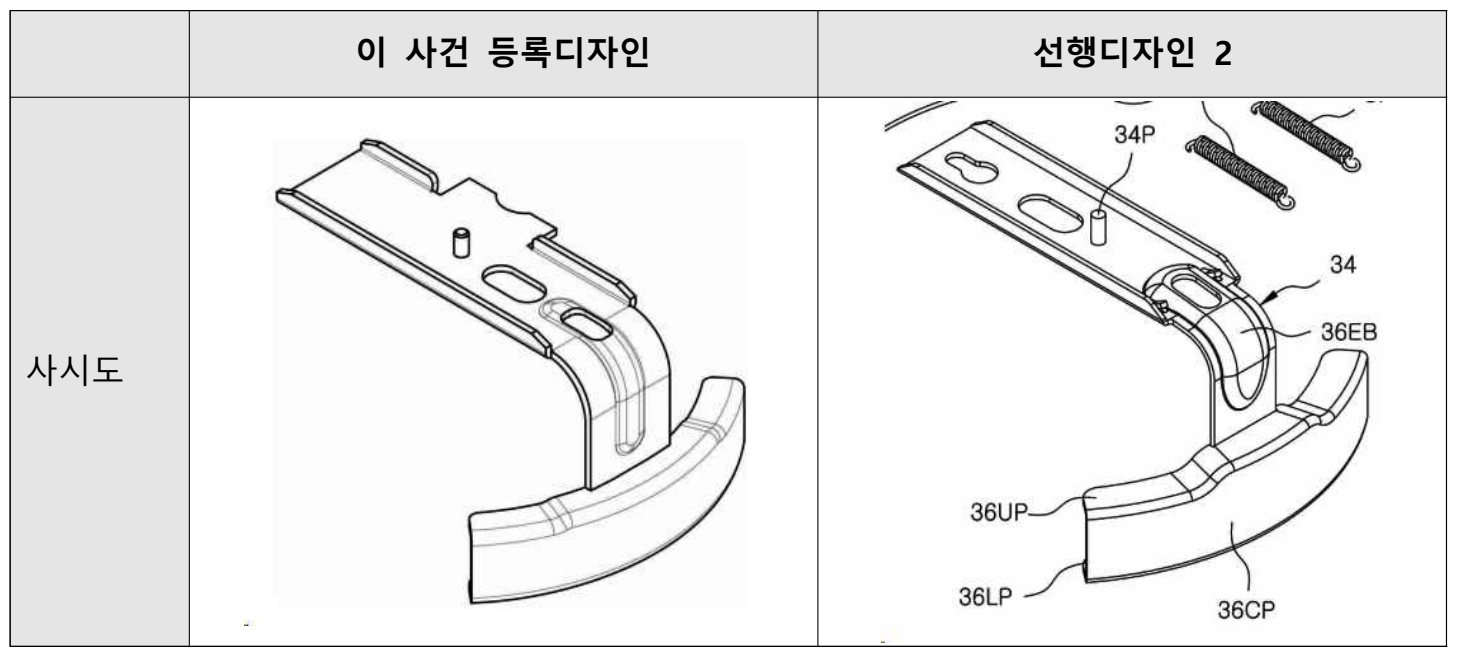
Prior design 2 appeared in drawings of Korean patent 10-2125995, published on 24 June 2020. Both designs had a flat joining portion, an angled connecting portion and a curved gripping portion. A shape’s functional relevance did not, by itself, remove it from the comparison.
The registered design’s projections and semicircular recesses affected its outline. It had two oval holes side by side between the vertical pin and connector, whereas the prior design had two oval holes and a separate keyhole-shaped opening in different positions. Its long, narrow reinforcement also differed from the earlier short, broad reinforcement covering the angled area, changing the three-dimensional impression.
A combined difference may defeat an easy-creation argument
Taken together, those differences produced a different overall visual impression. The fact that parts of the clamp might be hidden after assembly did not justify disregarding them: the component itself could be supplied or replaced, and the relevant function allowed different forms.
The challenger also failed to establish that adding projections, deleting or relocating openings and changing reinforcement proportions were merely routine modifications dictated by function or manufacture. The court dismissed the challenge; it did not hold that any difference in a functional component necessarily establishes design validity.
Preserve dated evidence of the actual part
When relying on an earlier component, retain dated drawings, production versions, delivery records and photographs that identify the same object from the necessary angles. Document any disassembly and the specimen’s provenance.
A product catalogue or model name may support the chronology, but it cannot replace evidence of the component’s actual appearance. Build the disclosure case first, then assess overall visual impression and ease of creation on the proved design.
The original figure labels and forms are preserved; the text explains the facts and the court’s reasoning.