
From a second suspension notice to a documented response
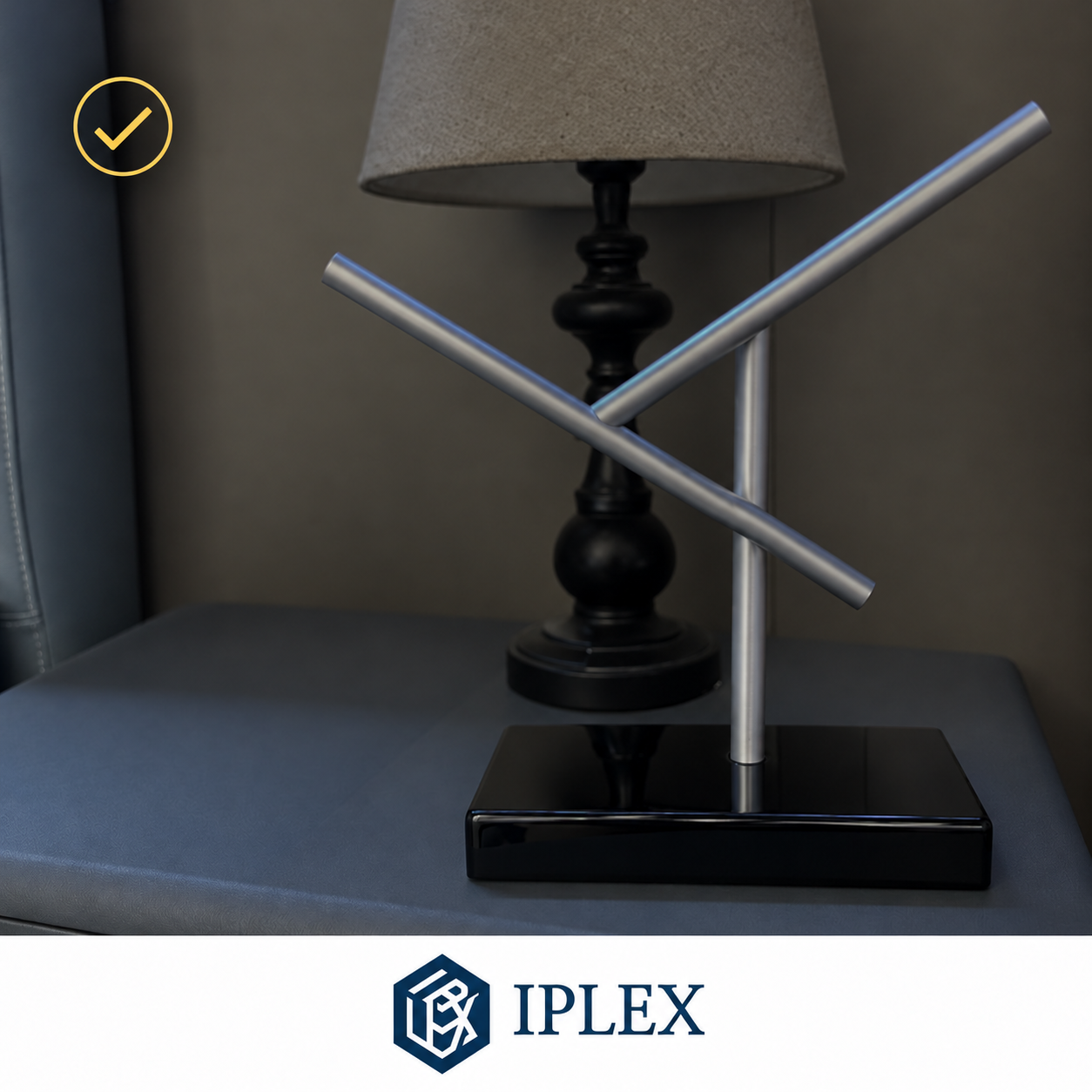
The seller initially responded to Coupang without professional assistance. After receiving a second suspension-related email, the seller instructed IPLEX. The matter concerned a desktop kinetic ornament: rods mounted on a black base, intended to be displayed and watched in motion.
The registered mark and the product name shared characters, but the name used for the product contained an additional syllable in the middle. IPLEX reviewed that difference alongside the product’s structure, function and presentation. Sales resumed two days after the engagement.
One extra syllable is a starting point, not a rule
Korean trademark protection can extend beyond identical signs to similar signs used for identical or similar goods. Finding no exact match in a search therefore does not, by itself, establish that a name is available.
The comparison considered visual appearance, pronunciation and meaning, including the rhythm introduced by the extra syllable and the shared beginning and ending. Consumers often encounter signs separately and rely on an imperfect recollection; the overall impression and risk of confusion matter.
What did the wording communicate on the listing?
The disputed name appeared alongside descriptions of moving rods, a kinetic sculpture and indoor display. The question was whether customers would understand it as a badge of commercial origin or as an explanation of the product’s form and operation.
Placement, size and surrounding text can change that impression. A word used within an explanation of how an object works may be perceived differently from the same word repeated as a prominent logo. The opinion examined the complete name and photographs, without deleting a syllable to construct a name that had not actually been used.
The product’s real function mattered
The registration covered toys, indoor play articles and amusement equipment. The listing, photographs of the object placed on furniture and purchase materials supported its presentation as an ornamental object whose movement was intended to be observed.
That did not mean that decoration and play were mutually exclusive. Adults also use recreational products, and an object may combine both functions. IPLEX considered whether the object was principally manipulated for play or placed in a room to appreciate its appearance and movement, and what the evidence actually showed.
Classification numbers do not settle similarity
Article 38(3) of the Korean Trademark Act separates administrative classification from the assessment of similar goods. Different classes do not automatically rule out similarity, and a shared class does not make every product similar.
Materials, shape, principal use, production and sales sectors, and customers must be considered together. The opinion addressed possible overlap between decorative and recreational goods instead of relying solely on the seller’s category label.
Descriptive use requires evidence of the actual presentation
Article 90(1)(2) of the Korean Trademark Act limits the effect of trademark rights for certain ordinary indications of characteristics such as shape, purpose or method of use. A descriptive meaning alone is insufficient: the wording must relate to the product and be used in the relevant ordinary manner.
The opinion considered the provision insofar as the expression ordinarily described the rods’ form and movement. A claim that a particular use falls outside the right’s effect is distinct from a challenge to the validity of the registered mark itself.
Connecting the materials to each issue
IPLEX organized the registration and designated goods, the actual listing, the product’s structure and use, and purchase materials. Each item was linked to the comparison of signs, the relationship between the goods or the descriptive character of the use.
The opinion explained why infringement was difficult to establish on the materials and usage reviewed. It was a professional assessment for the platform response, not a court judgment declaring non-infringement.
Sales resumed; the reasoning remains specific to the facts
The product returned to sale two days after IPLEX was instructed. That outcome concerns this particular matter and is not a guaranteed turnaround for other complaints. A different product or a different presentation of the same wording may require a different analysis.
Changing a name by adding or removing a character should not replace a review of the actual product and its presentation. The practical task is to show what the wording conveys, how the object is used and which materials support those propositions.
Korean legal references
The analysis refers to Articles 38, 90 and 108 of the Korean Trademark Act, and Supreme Court decisions 2010Da20778 of 27 December 2011 and 2011Hu538 of 28 July 2011. These authorities concern the legal comparison of signs and goods; neither is a judgment on this Coupang matter.
Coupang response services and sales-resumption cases (Korean) ↗