
The supplier’s appeal
On 22 May 2025, Korea’s Patent Court dismissed a mould supplier’s appeal in case 2024Na11051. The first-instance judgment of 5 July 2024, case 2022Gahap506157, had upheld the claim against the supplier and co-defendants C and D. C had ordered the mould and used it to manufacture containers for health supplements; the claimant held a design for an ampoule packaging container.
The supplier argued that it had merely followed supplied drawings, did not know about the registered design, received only its manufacturing fee and did not share in sales of the containers. Those circumstances did not displace the findings concerning the mould’s purpose and the supplier’s duty of care.
An article used exclusively for production
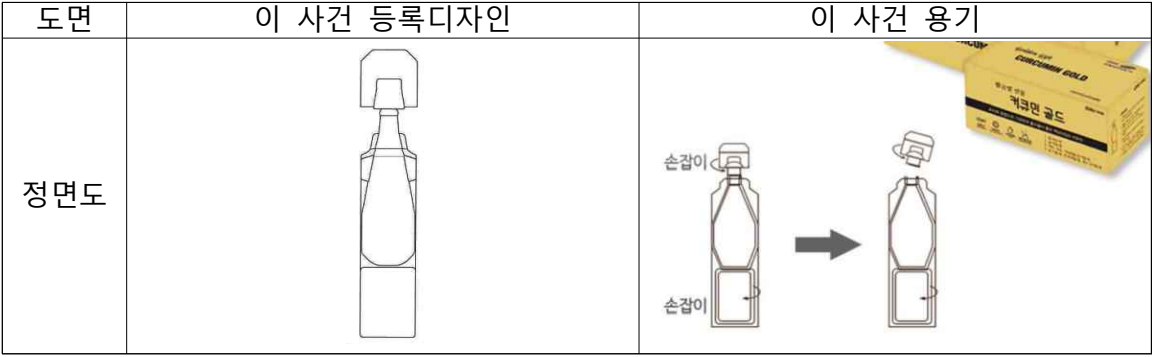
Article 114 of the Korean Design Protection Act treats specified commercial dealings in articles used exclusively to manufacture products embodying a registered or similar design as infringement. The containers shared the dominant three-dimensional body and upper-handle features and conveyed the same overall aesthetic impression; their purposes and functions were also similar. A scope-confirmation decision concerning the container had become final.
The custom mould had no other apparent economic or commercial use. It was made and supplied for payment by a business engaged in mould manufacture and injection production. The conclusion therefore concerned a dedicated production tool, not a rule that every custom mould or ordinary multipurpose component infringes.
Why negligence was not rebutted
The rebuttable presumption in Article 116(1) also applies to indirect infringement. A supplier must substantiate circumstances justifying ignorance of the right or a reasonable belief that the resulting design falls outside its scope. A bare statement of lack of knowledge is insufficient.
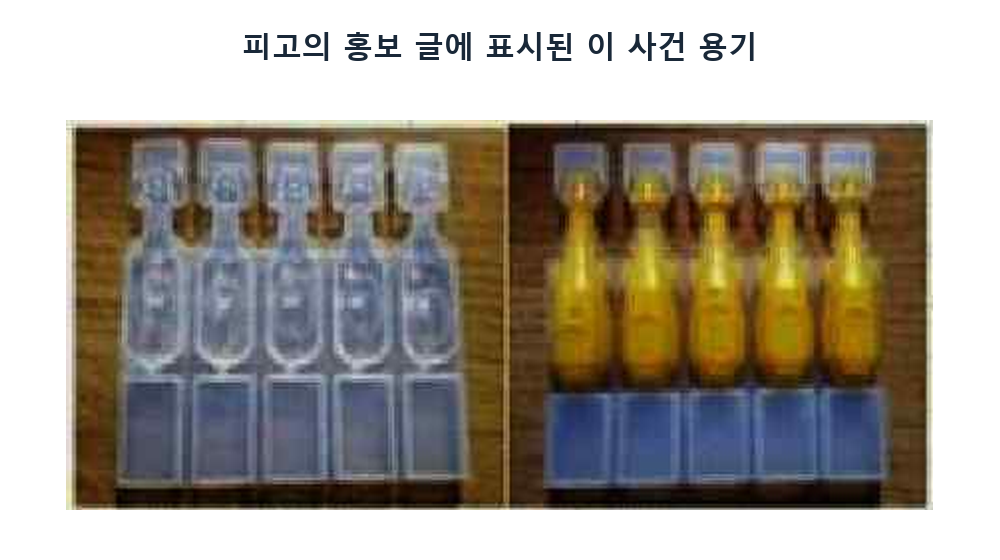
Correspondence showed that C had supplied a sample and requested dots be added because of the resemblance. The supplier advertised specialised container-design and mould services, including in material dated 4 March 2019. No adequate effort to identify relevant rights or produce a non-infringing container was established. A customer’s assurance could not replace that examination.
Joint liability and manufacturing records
The objectively connected conduct of the supplier, C and D supported joint tort liability. A smaller role or lower profit did not reduce the supplier’s liability to the claimant. The upheld award was KRW 30 million jointly with C and D, plus statutory delay interest at 12% annually from 4 February 2022. The alternative unfair-competition claim was not separately decided.
Manufacturers should retain drawings and samples, records of proposed changes, rights searches and the reasoning supporting any non-infringement assessment. Determine whether tooling has genuine alternative commercial uses and record who supplied the design. The judgment turns on this mould’s exclusive purpose and the demonstrated warning signs, rather than imposing identical liability on all commissioned manufacturing.
The original figure labels and forms are preserved; the text explains the facts and the court’s reasoning.