
The design and the proceedings
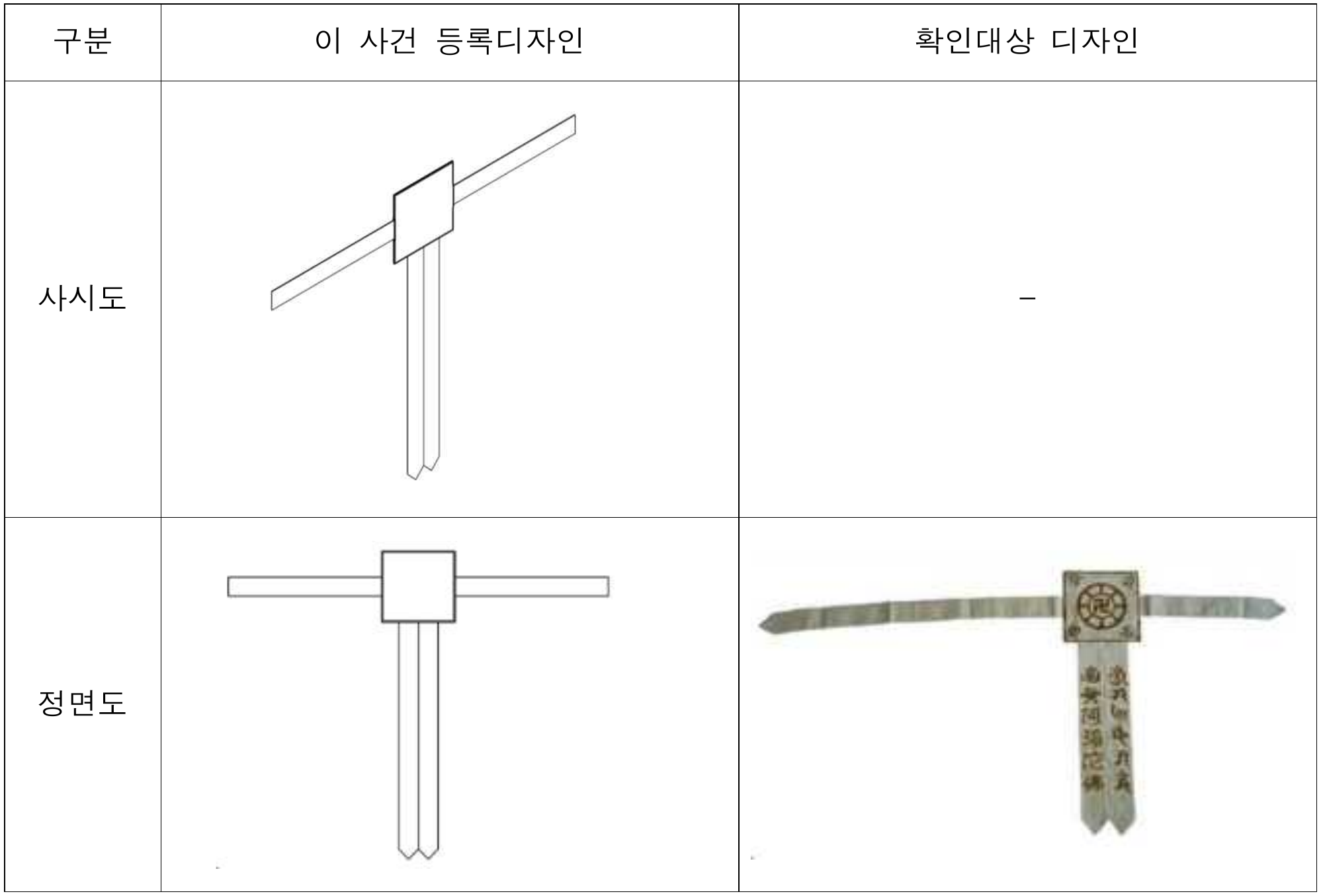
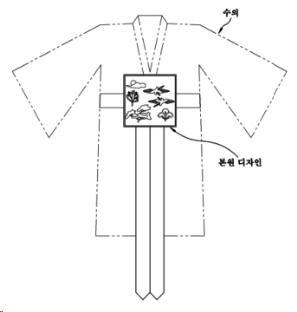
On 20 November 2025, the Korean Patent Court dismissed the claim in case 2025Heo10374. Design registration 30-0657181, filed on 10 February 2012 and registered on 21 August 2012, concerned a chest ornament attached to a funeral garment. Its square body had horizontal side straps and two vertical straps. The owner sought an affirmative scope-of-rights determination on 22 November 2023; the Intellectual Property Trial and Appeal Board rejected it on 3 April 2025 in case 2023Dang3712. The subsequent action challenged that decision, not the validity of the registration.
An adjustment statement does not depict every configuration
The registered drawings showed symmetrical horizontal straps. The compared design had a longer left strap. The owner relied on a description stating that the belt could pass through side openings and be adjusted. The Court read the application, drawings, photographs or specimens and the design description together. Nothing depicted the asserted asymmetrical configuration. Neither the documents nor the use illustration established a necessary change to the particular asymmetry of the compared product. A possibility of adjustment differs from a predetermined change necessarily arising in use.
Appearance in trade matters as well as appearance in use
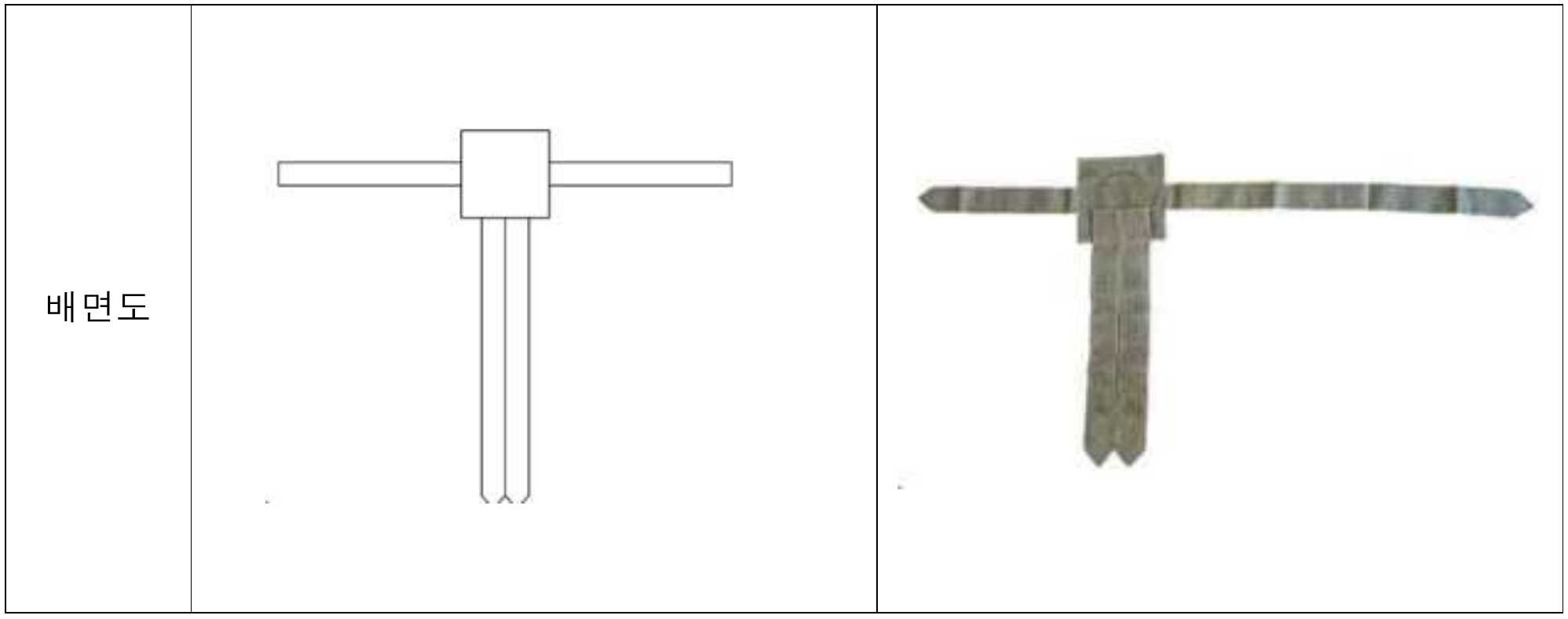
The shared square body and strap arrangement did not outweigh the differences. Rectangular strap ends contrasted with triangular ends; hidden rear joints contrasted with exposed ones. The registered belt was movable, whereas the compared straps were fixed and unequal in length. The proportions of horizontal and vertical straps also differed. Although knots could conceal the ends when the garment was worn, purchasers could readily observe them and the rear during selection. Those differences remained relevant to the overall aesthetic impression.
The registration was not an unrestricted claim to shape
The application identified a combination of shape and pattern. The drawings contained repeated solid-line borders and the use illustration added decoration within the body, leaving the straps plain in an unspecified single colour. The Court did not regard the entire design as shape alone without pattern or colour constraints. The compared design included a wheel enclosing a Buddhist symbol and decorative lettering on the body and vertical straps, creating a different impression. Funeral-garment ornaments and their basic arrangement were longstanding; this was not a new article warranting an unusually broad similarity range.
Incorporation requires more than shared elements
The Court separately considered whether the later design incorporated the whole substance of the earlier design without impairing its essential features, so that practising the later necessarily practised the earlier. Differences in ends, joints, lengths, proportions and decoration defeated that relationship. Even treating the registration hypothetically as shape alone would not change the outcome: the structural differences remained significant. The result did not turn on ornamentation alone.
A practical review of the filing and the product
The compared design was neither identical nor similar and did not incorporate the registered design in the required legal sense; the claim to set aside the Board’s decision failed. For adjustable products, show the configurations actually sought and connect them to the description. Compare the whole appearance in both sale and use, including normally concealed but commercially visible parts. After similarity, assess incorporation independently rather than treating common elements as decisive.
The original figure labels and forms are preserved; the text explains the facts and the court’s reasoning.