
Commissioning a product or requesting a functional change does not necessarily make the customer a creator of its design. The contribution must reach the concrete appearance rather than merely the project’s objective.
In case 2021Heo2595, decided on 19 November 2021, the Korean Patent Court dismissed the action challenging the rejection of invalidity for design No. 904571. The dispute also concerned pre-filing disclosures and combinations of earlier designs.
The development record
In June 2016 the defendant and customer F arranged molds for a front grille and a number-plate mounting panel, rather than the plate itself or an entire bumper. D, a co-representative of the defendant, prepared a draft on 21 June. F asked that the plate sit below the grille instead of on it, and D revised the design on 8 July.
F supplied no specific drawing or detailed shape instructions. The application was filed on 25 August 2016 and registered the following year.
A general instruction was not joint creation
The right to obtain design registration belongs to the creator or successor. A general requirement about function or position is insufficient without a concrete contribution to the overall visual appearance. The drawings and revisions supported D’s creative role.
The parties’ agreement placed the intellectual property with the defendant while allowing F free use. Restrictions on making molds for third parties and F’s role in selling the products did not establish that F was a creator or owner.
Earlier customer publicity and the applicable six-month period
Car-club group-purchase photographs appeared on 6, 23 and 24 August, and F posted a video on 11 August, before filing. The court treated the relevant earlier designs 1–4 as disclosures falling within the historical six-month novelty exception; compliance with the procedural claim requirements was not disputed.
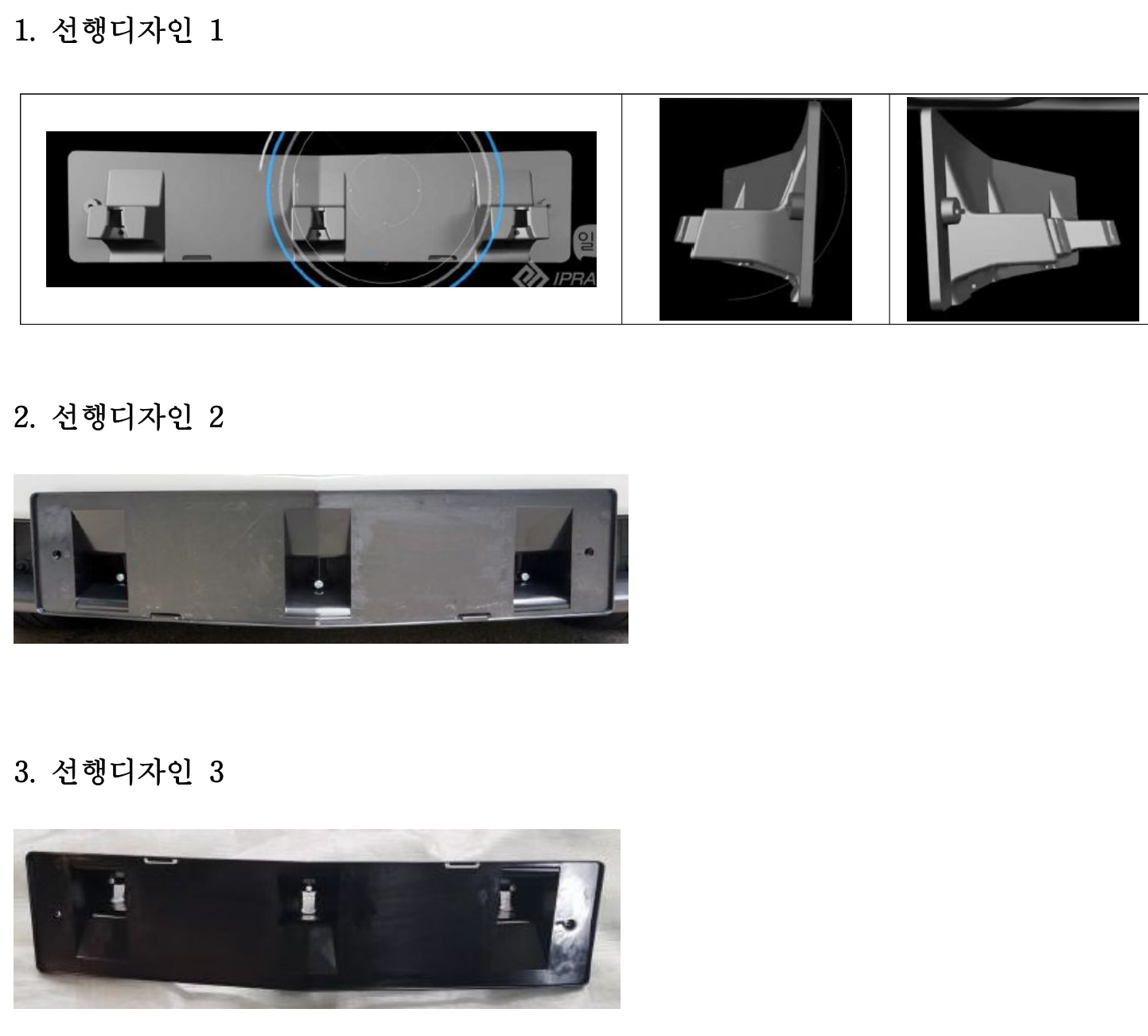
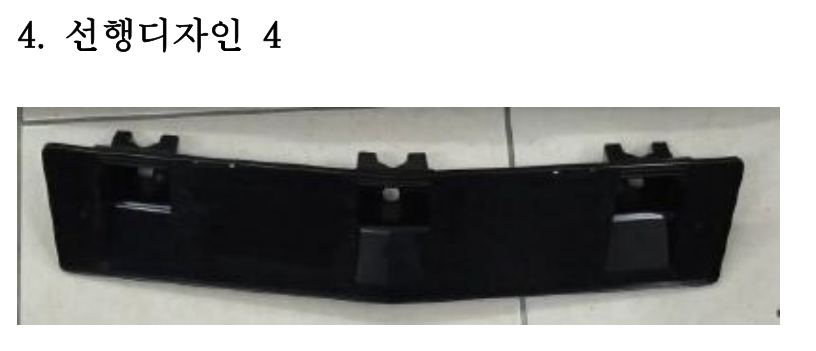
The creator had transferred the right to the defendant. The disclosures therefore did not establish lack of novelty or easy creation against this application. The six-month period describes the law applicable to this older filing, not a statement of today’s period.
The remaining references did not supply the overall appearance
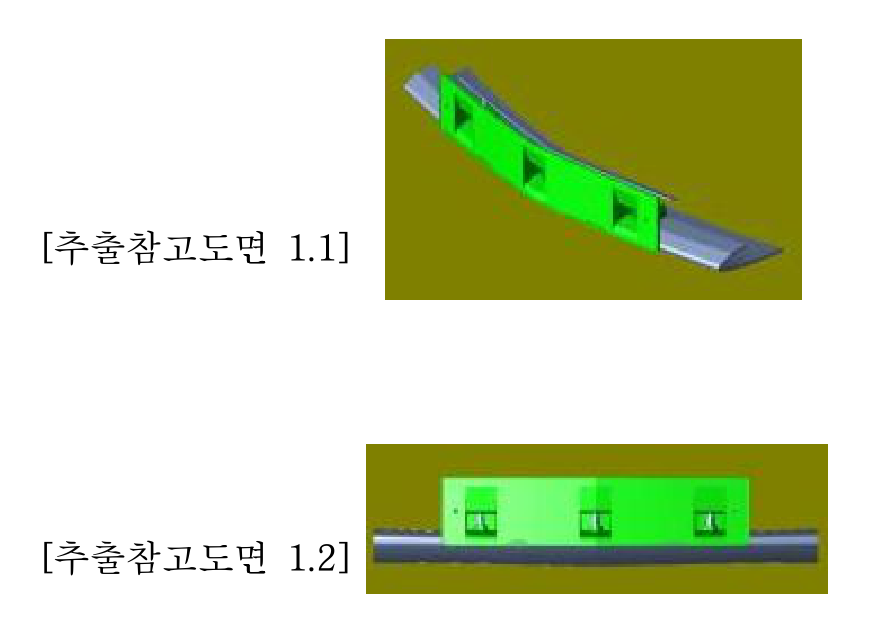
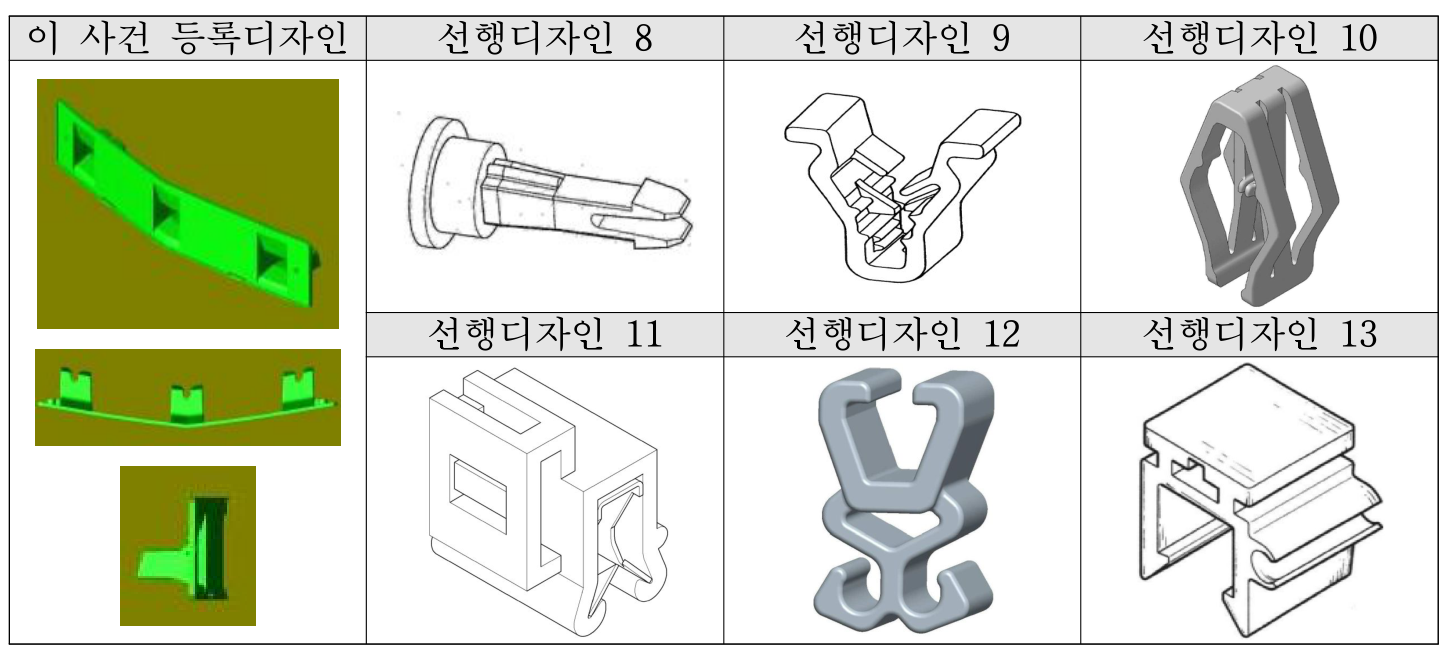
Earlier designs 5–7 shared a long rectangular form and a V-shaped bend associated with a bumper or plate mount. Those basic functional features carried limited weight. The registered panel combined three rectangular front recesses, an H-shaped rear projection and an upper slope steeper than the lower slope.
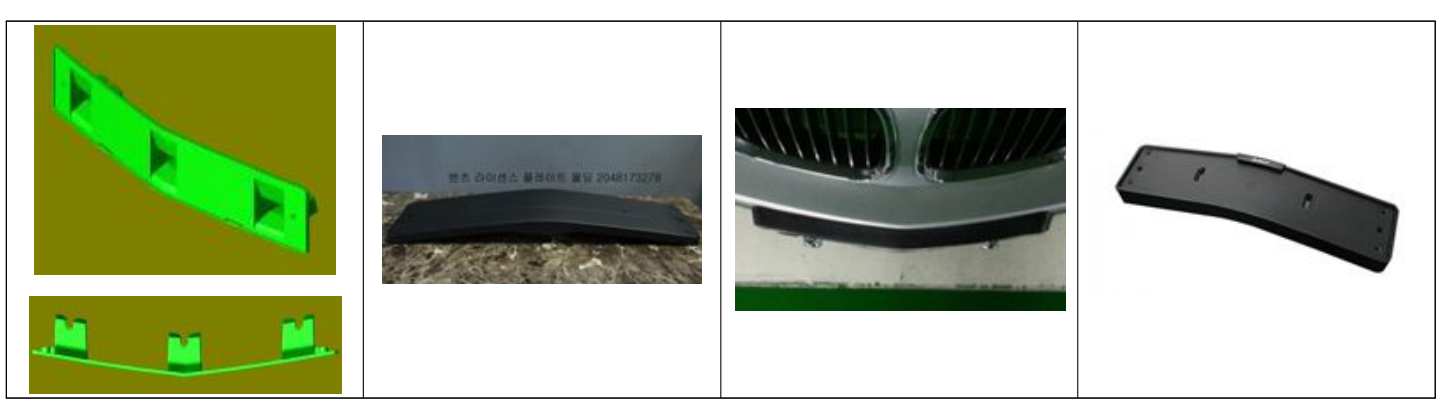
References 8–13 concerning fastening grooves did not provide that combination. Even if the rear could be adapted from familiar fixing structures, they did not explain the three front recesses and differentiated slopes as a whole. The easy-creation challenge therefore also failed.
Separate the brief, the visual contribution and the rights
Keep dated drafts and records identifying who proposed the actual shape, rather than relying on the customer’s commercial role or payment alone. Agreements should distinguish permission to use molds from the right to obtain registration.
Record the earliest sale, customer post or video together with its source and the relevant rights transfer. A disclosure exception depends on the applicable filing date, the origin of disclosure and the required procedural steps.
The original figure labels and forms are preserved; the text explains the source material.