

Partners may agree on a product name without agreeing who will own the trademark. The NK365 dispute shows why a request to handle filing cannot safely be treated as consent to one partner’s exclusive registration.
On 20 March 2025, the Korean Patent Court dismissed the cancellation action in case 2024Heo12272, leaving the invalidity decision against registration No. 1284520 in place.
From joint development to a unilateral application
The parties entered a business alliance in March 2016 and a production and supply agreement in May. They agreed on NK365 on 14 July; the defendant used it from July through the application date. The plaintiff’s subsidiary H, which assumed the contracts, filed on 8 September 2016 for health supplements. Registration followed in September 2017 and was assigned to the plaintiff in February 2021.

Identity of the signs and identity of the relevant goods were not disputed. The issue was whether filing in this cooperative relationship contravened good faith.
Knowledge obtained through a commercial relationship
Article 34(1)(20) of Korea’s Trademark Act addresses an unauthorized application made contrary to good faith with knowledge, acquired through contractual or business dealings, of another party’s mark being used or prepared for use.
The inquiry extends beyond who first suggested the name. The court examined the contracts, the selection and use of the mark, the parties’ roles and the commercial reality.
The defendant was more than a contract manufacturer
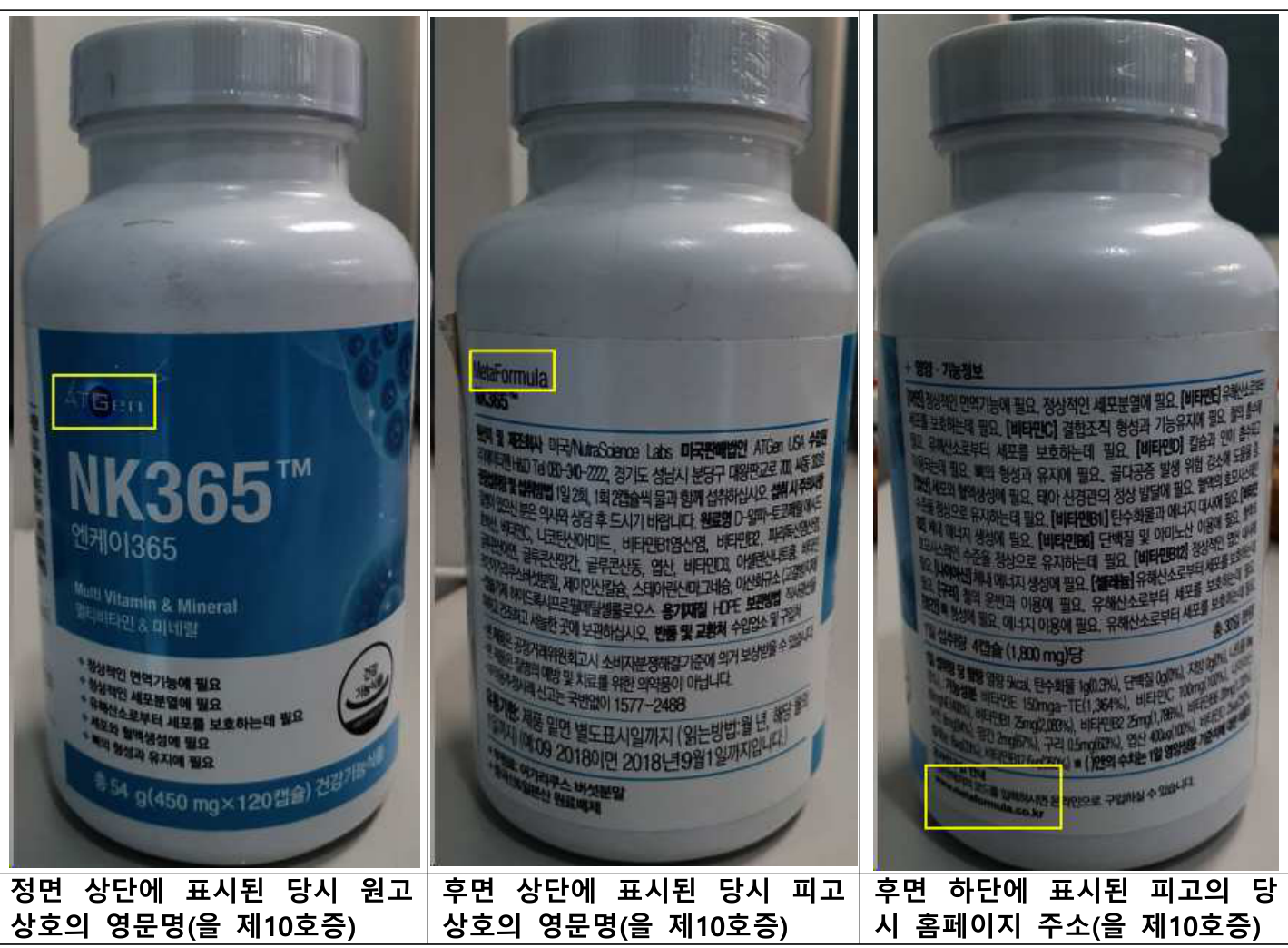
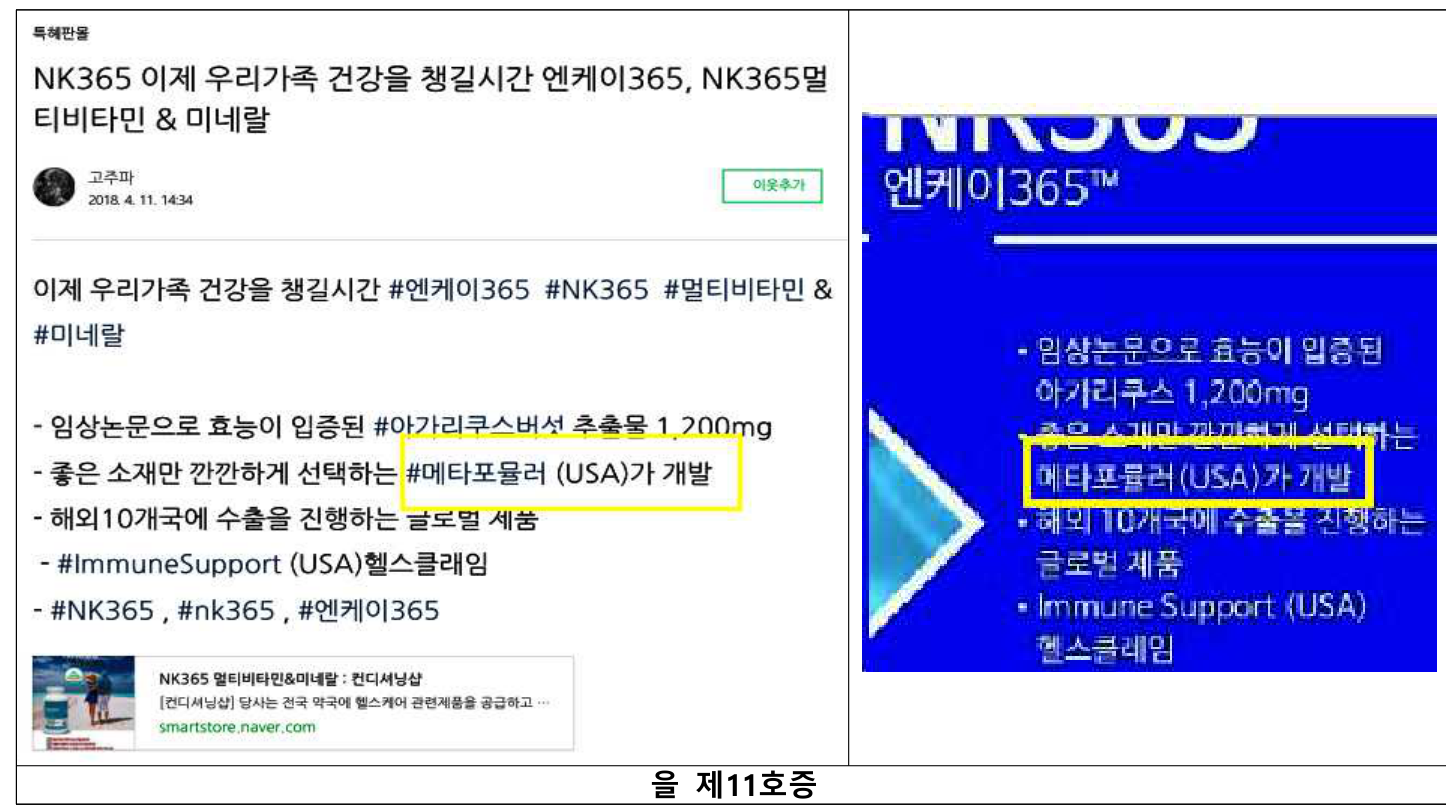
The defendant planned, developed and supplied the products. Although the plaintiff owned the products and paid a technical fee, both parties bore their own marketing costs and used their own sales channels. Containers displayed both company names, and the plaintiff’s advertising acknowledged the defendant’s development role.
A contractual provision on joint ownership of intellectual property did not expressly regulate trademarks. The court did not thereby declare joint trademark ownership; it treated the clause as evidence of cooperation between parties on a relatively equal footing.
Administrative assistance was not consent to sole ownership
The plaintiff had proposed use of the name without registration because it considered registrability doubtful. The defendant later asked it to handle the filing while the defendant concentrated on production. That exchange did not establish agreement that the plaintiff side would own the mark alone.
Whether the law required a joint application did not resolve the separate good-faith issue. On the facts, the applicant could not rely on its filing role to justify excluding the cooperating user.
Put ownership and filing authority in separate terms
A cooperation agreement should identify who chooses and uses the sign, who applies, who owns the right, what each party may license and what happens on termination. Allocating filing work is not an adequate substitute for that allocation.
Preserve product-planning records, naming emails, packaging and channel-specific sales evidence. They can establish the relationship and use at the filing date, rather than leaving ownership to be reconstructed from a later registration.
The original figure labels and forms are preserved; the text explains the source material.