
A packaging design can differ in several details yet remain readily creatable from earlier designs. In its judgment of 24 November 2022 in case 2022Heo1094, the Korean Patent Court assessed the visual composition of a mask-pack pouch under Article 33(2) of the Design Protection Act.
The pouch and the invalidity challenge
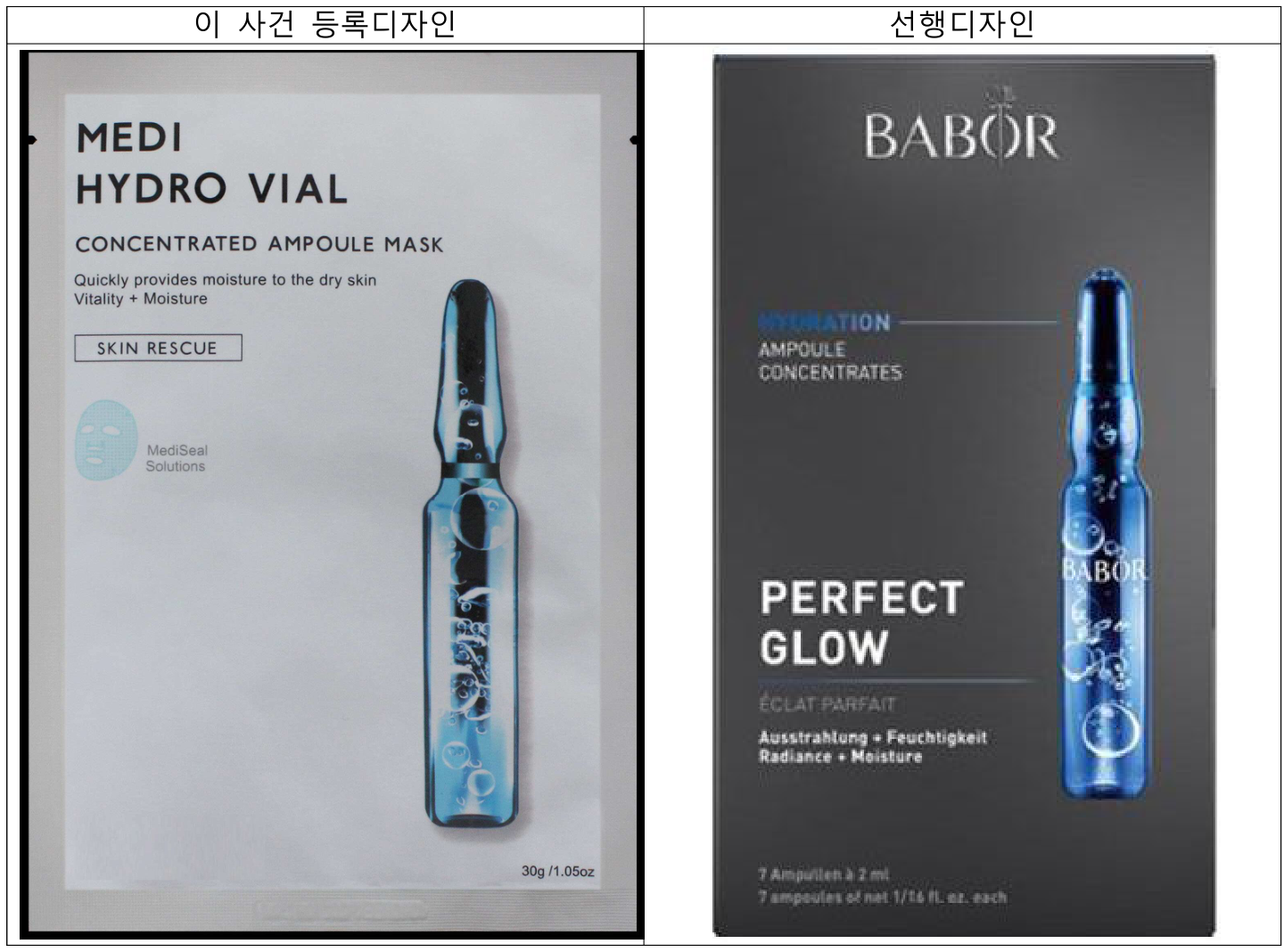
Design No. 1022504 was filed on 25 October 2018 and registered on 3 September 2019 for a mask-pack pouch. Its thin rectangular front placed a large blue ampoule on the right and the brand, product and benefit wording with a mask-sheet symbol on the left.
The challenger disputed entitlement, novelty and ease of creation. The Intellectual Property Trial and Appeal Board dismissed the challenge. On review, the court addressed whether an ordinary designer could readily create the design from prior material; it did not need separately to decide entitlement.
What shaped the visual impression?
The rectangular pouch and routine instructions on its back carried limited weight. The front’s ampoule and arrangement of information mattered more. Earlier packaging for a German ampoule cosmetic, publicly shown in a blog on 13 December 2017, also placed a large upright ampoule on the right and information on the left.
The images shared a cylindrical lower body, narrowed waist and enlarged upper portion, with blue-and-white colouring, water-droplet effects and side lighting. These features contributed to a similar overall presentation even though the wording was arranged differently.
Text placement and the mask-sheet image
The registered design grouped wording near the upper left and placed a mask-sheet graphic below it; the earlier ampoule package did not have that sheet graphic. But earlier mask packaging publicly available on 19 January 2016 already used a comparable arrangement of wording and a sheet symbol.
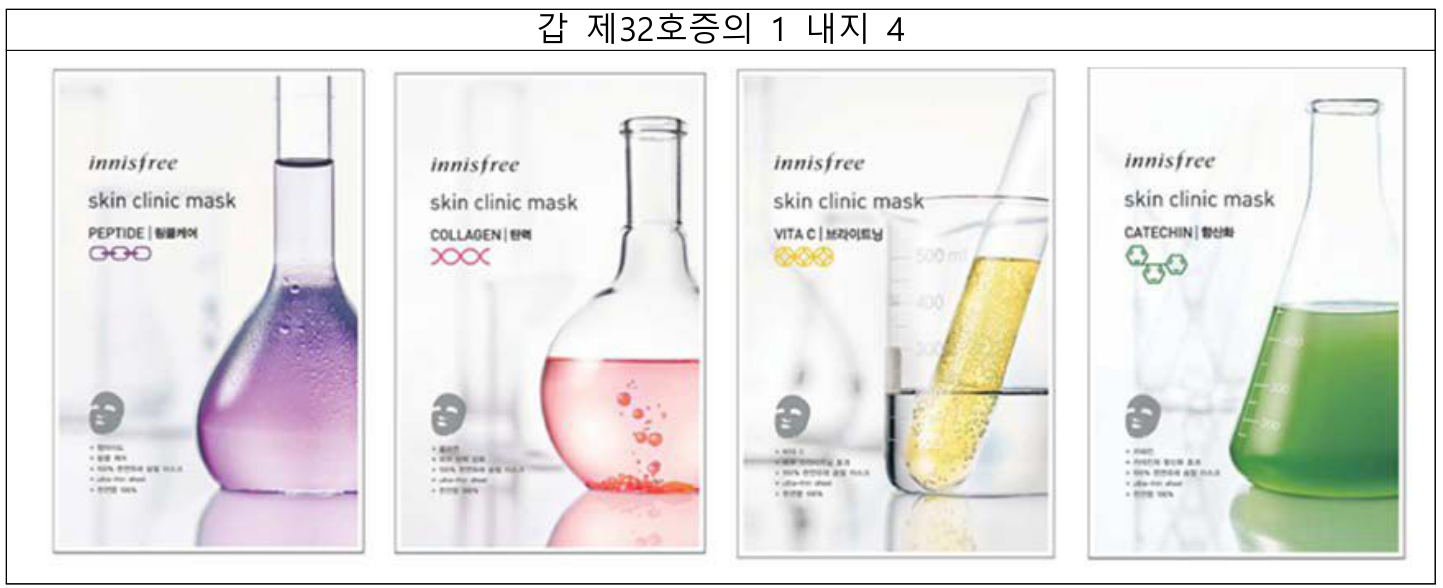
Adapting this known mask-package layout to the earlier cosmetic graphic did not require special creative effort. The court treated the differences in placement as routine design choices, assessed in combination rather than as isolated additions.
Changes to the ampoule did not change the result
The band appeared at a different height, the top was more pointed, lettering on the earlier ampoule was removed and a shadow was added. These changes were not visually dominant and were achievable through ordinary image editing. A further ampoule image available online by around 8 December 2017 also showed relevant forms and details.
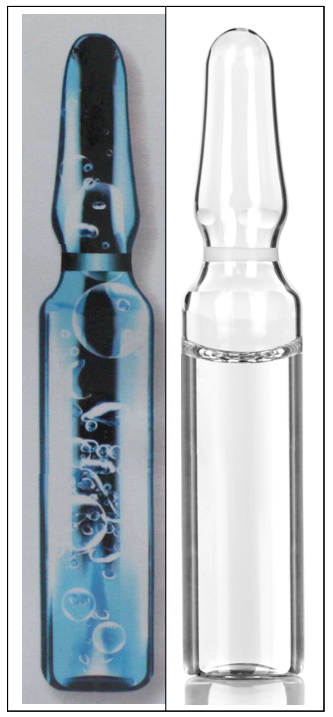
The court concluded that an ordinary designer could readily reach the registered composition using the prior design, known mask-packaging forms and conventional expressive techniques. It therefore annulled the Board’s decision dismissing invalidity under Article 33(2), without separately deciding the other asserted grounds.
Assess the composition and the surrounding field
A search should cover adjacent cosmetic packaging and individual graphics as well as identical mask products. Retain dated prior materials and records of how proportions, spacing, placement and combinations developed.
The question is not merely whether an ampoule or sheet symbol appears. The arrangement as a whole must be considered, together with how readily an ordinary designer could arrive at it. Adding familiar details or editing an existing image does not necessarily satisfy that requirement.
The original figure labels and forms are preserved; the text explains the source material.