

A company may sell and advertise products before a later trademark application yet still lack an independent right to continue using the mark. In its judgment of 19 November 2025 in case 2024Na11525, the Korean Patent Court examined the origin of the company’s use as well as its chronology.
From a founder’s business to a company
Before incorporation, the defendant and the defendant’s spouse sold inner bags: inserts that organise belongings or support a handbag’s shape. The defendant created the brand, filed an English mark personally in 2014 and obtained registration in 2015. The company incorporated in December 2015 continued the business with the founder as chief executive and with permission to use similar signs.
The founder personally applied for the second and third marks in January 2020; both were registered in December for multipurpose organiser bags. Following removal as chief executive and director in 2023, the founder withdrew permission concerning the first mark in 2024. The second and third registrations also became the subject of an infringement dispute.
Which rights were before the court?
At first instance the company sought confirmation of a prior-use right concerning the second mark. On appeal it instead sought a declaration that its two signs did not infringe the second and third registrations. These were separate rights with separately assessable scope. The first mark, jointly owned by the founder and a daughter, did not have to be litigated in the same action.
The company’s signs were similar overall to the second mark, Samolga, No. 1668704, and the third mark, Samolga written with a different Korean syllable structure, No. 1668708. Visual resemblance and identical or similar pronunciation outweighed differences in spelling. The inner bags were identical or similar to the designated organiser bags.
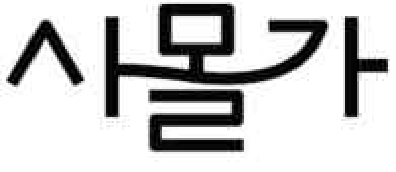
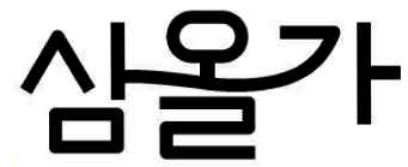
Earlier use was not enough
Article 99(1) of the Korean Trademark Act protects qualifying continuous domestic use beginning before another person’s application, without an unfair-competition purpose, where consumers recognised the sign as identifying a particular source at the filing date. The court treated an independent origin of use as material; a calendar showing earlier sales did not resolve the issue.
Here the company used the signs with the founder’s permission. Its use did not originate independently of the proprietor. The scope and continuation of licensed use were matters for the parties’ contractual relationship. The founder had remained chief executive from incorporation through registration of the disputed marks, and was not treated as the ‘other person’ contemplated by the provision in this relationship.
Advertising did not make enforcement abusive
The founder, as chief executive, had decided upon the company’s online and model-based advertising. The company knew the marks were personally owned and had not objected before the founder’s dismissal. Advertising expenditure did not establish a legitimate expectation that the proprietor would never enforce the rights.
The court rejected the substituted claim for a declaration of non-infringement. Earlier provisional-injunction decisions addressed interim protection and urgency; they did not establish the final merits of the company’s claimed right.
Separate business continuity from trademark ownership
When an individual business becomes a company, document whether the trademark is assigned or merely licensed. Specify goods, sales channels, duration, termination and the treatment of stock and online advertising after termination.
A prior-use defence calls for evidence of an independent source of use and the statutory conditions. Evidence of permission instead calls for careful examination of the licence. Long trading history and substantial promotion do not by themselves turn one into the other.
The original figure labels and forms are preserved; the text explains the source material.