
In its judgment of 9 September 2026 (2026Na10042), the Korean Patent Court assessed damages for infringement of a scalp massager design. It divided the infringement period according to when the defendant knew of the infringement and trebled the losses for only part of that period. The decisive questions were which losses the claimant could recover and when enhanced liability began.
The acquired design and the defendant’s former registration
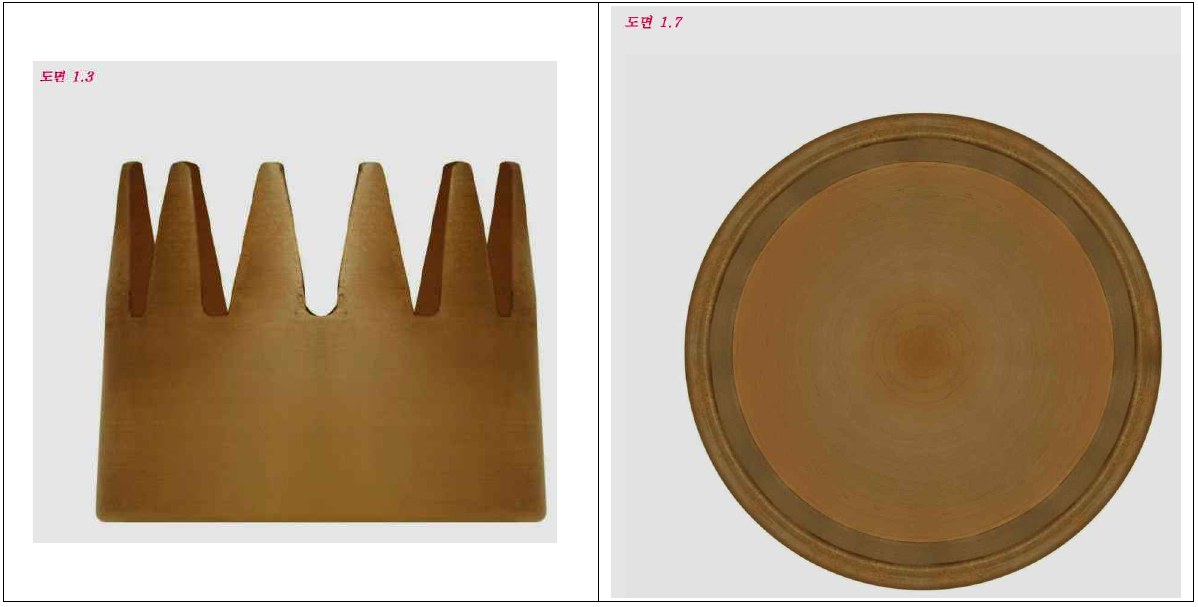
Tribest acquired Korean registered design No. 30-0737324 for a comb used to massage the head. Registered on 31 March 2014, it has multiple projections arranged on a circular ring. The claimant had acquired the right from a previous owner rather than filing the original application itself, a distinction that also affected the recoverable period.
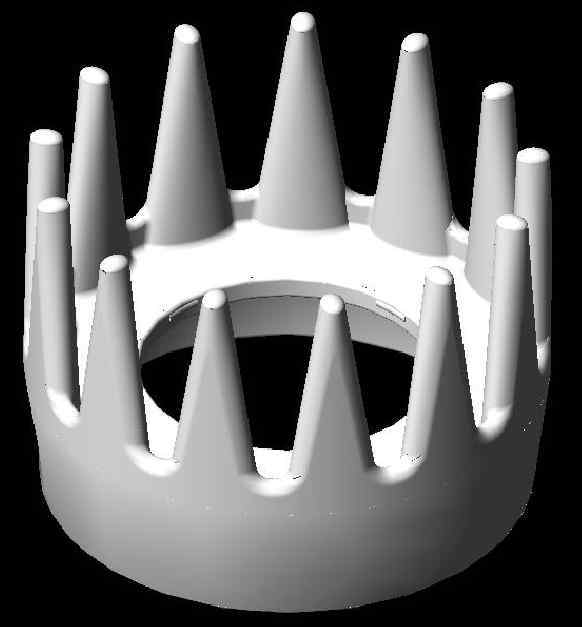
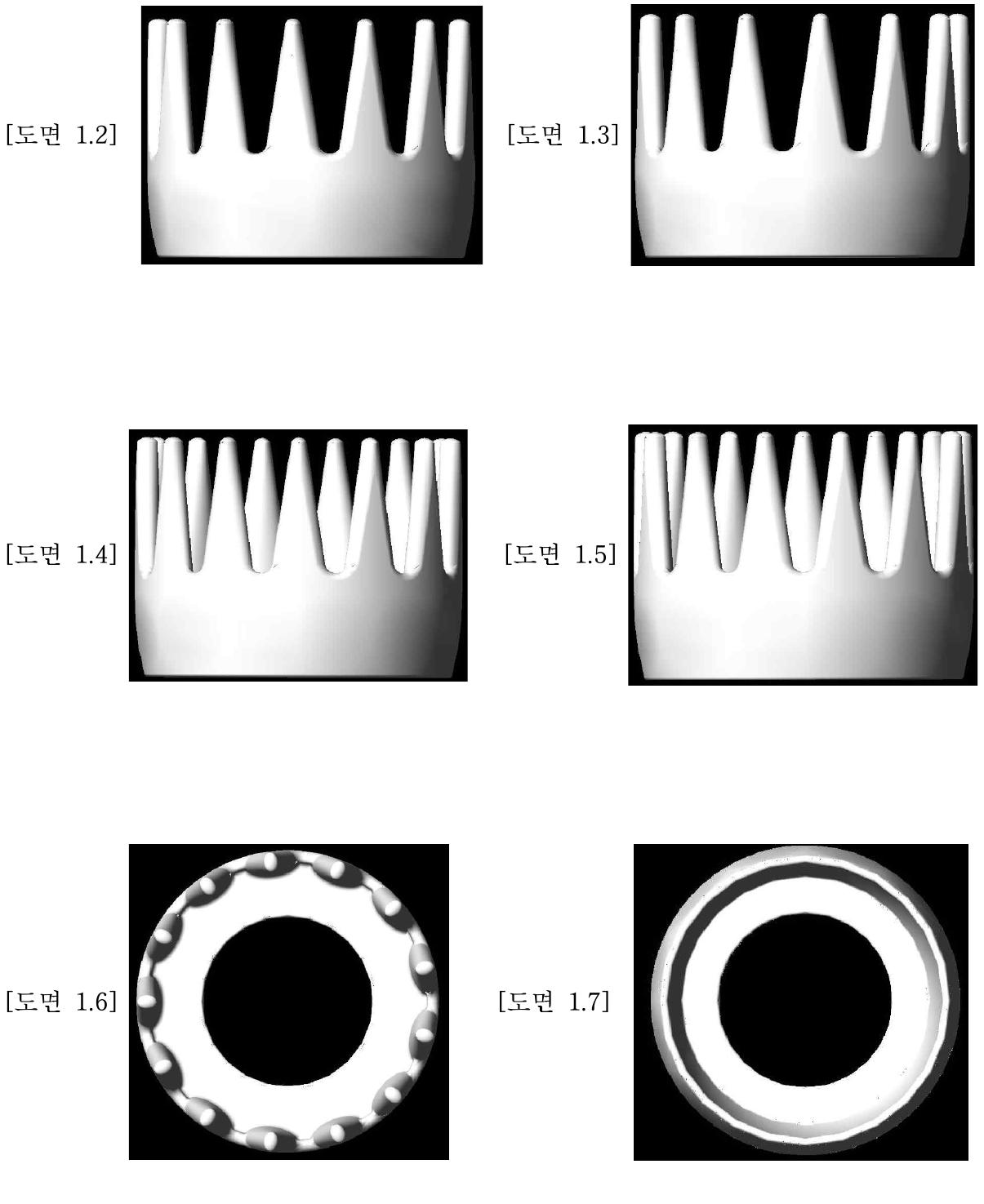
The defendant had also applied for a scalp massager design and obtained registration on 24 August 2021. That registration was declared invalid on 13 June 2022, and the decision became final around that time. This was therefore not a case about a defendant retaining a valid design right throughout the dispute.
Liability concerned the products actually sold
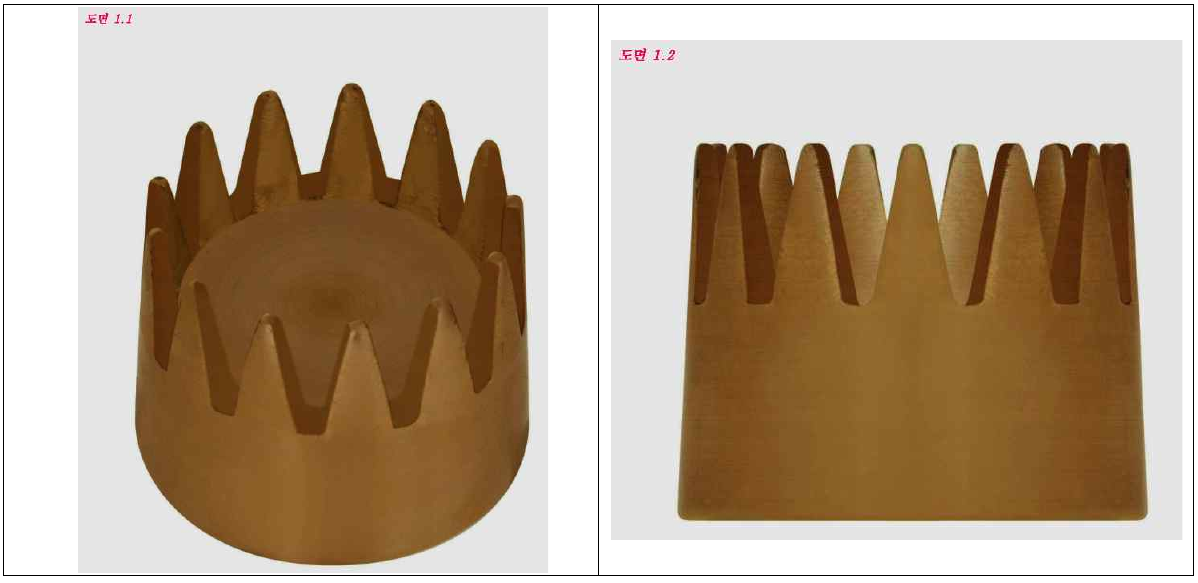
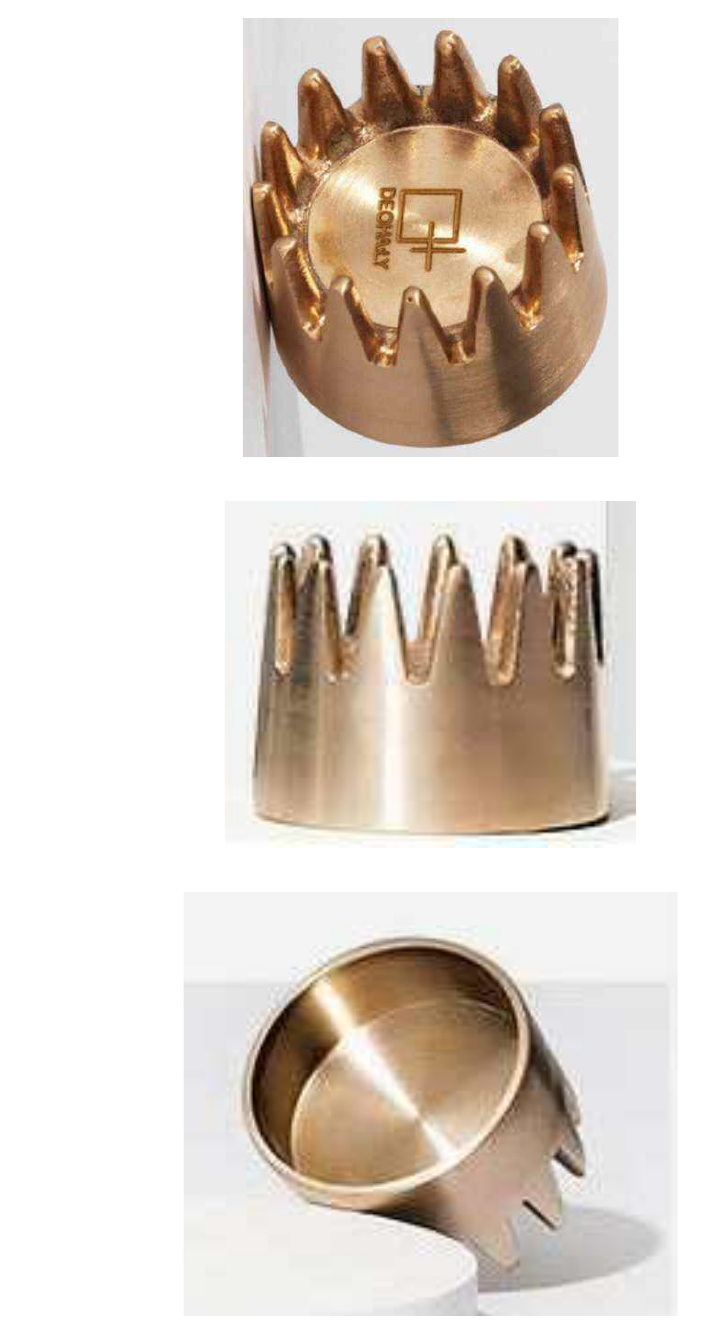
The defendant sold the pictured products online and supplied them to another seller, D. The court found both the articles and their designs similar to the claimant’s registered design and held that the sales infringed the right. Separate proceedings concerning the scope of protection had also established that the defendant’s product fell within that scope.
Negligence was presumed under the applicable Korean statute. The defendant argued that it had prepared the product during a period when the fees for the earlier right had not been paid. The court nevertheless noted the absence of evidence that the defendant had checked for the publicly disclosed prior design or its use. It rejected the defence that the defendant had acted without negligence.
Acquiring the right did not prove an assignment of earlier damages claims
The transfer of the design right to the claimant was registered on 29 December 2021. Although the claimant sought damages from 2018 onwards, the evidence did not establish that the previous owner’s accrued damages claims had also been assigned. Ownership of the design right and ownership of claims for earlier infringement were separate questions.
The recoverable period therefore ran from 29 December 2021 to approximately August 2025. The court did not hold that earlier claims could never be assigned; it found insufficient evidence of such an assignment in this case.
The defendant also maintained that all the goods sold had been delivered before the claimant acquired the right. Yet the defendant itself sold 12 units after acquisition, and D sold 817 units over approximately three years and eight months. The timing and scale of the sales, together with the absence of orders, transaction statements or payment records proving the earlier deliveries, led the court to reject that account.
An industry average margin did not establish the infringer’s profit
The claimant calculated alleged profit of KRW 28,505,841 by applying the average retail margin of 19.9% for small and medium-sized distributors to total sales revenue. The court instead treated recoverable infringer’s profit, in principle, as revenue less the additional costs incurred because of the infringement—the incremental profit. There was insufficient evidence that the average-margin calculation represented that profit.
Failure to prove the amount by this method did not mean that no loss had occurred. The court found loss established but the facts needed for precise quantification exceptionally difficult to prove. It therefore assessed a reasonable amount on the basis of the evidence and the proceedings as a whole, including the different selling prices.
The claimant’s products sold for KRW 14,000–30,000, whereas the defendant’s sold for KRW 165,000–239,000. The disparity made it difficult to equate every infringing sale with a lost sale by the claimant, or all of the defendant’s profit with the claimant’s loss. The damages assessed before enhancement totalled KRW 10 million.
Intentional infringement from the day after service of the earlier judgment
In the related scope-of-protection case, 2024Heo10405, the court held that the defendant’s product fell within the claimant’s design right. The defendant was served with the judgment on 23 August 2024. The court found that, at least from the following day, 24 August, the defendant acted knowing that the conduct infringed.
Sales nonetheless continued for approximately another year, until around August 2025. During that period, 97 units generated KRW 15,894,930 in revenue. Although all those later sales were through D, there was no evidence that the defendant had sought the return of supplied products, requested that sales stop or otherwise tried to reduce the harm.
Trebling KRW 1 million produced a total award of KRW 12 million
For the earlier period, 29 December 2021 to 23 August 2024, the court assessed loss at KRW 9 million. For 24 August 2024 to approximately August 2025, it assessed a further KRW 1 million before enhancement. Considering the defendant’s knowledge, continued sales and lack of remedial efforts, it trebled only the latter amount to KRW 3 million.
The principal award was therefore KRW 12 million: KRW 9 million plus KRW 3 million, with delay interest payable separately. The court did not multiply the entire KRW 10 million loss by three. Trebling was the enhancement selected on these facts, not a uniform multiplier for every design infringement.
The appellate court set aside the portion of the first-instance judgment ordering payment above that amount. The defendant’s appeal thus succeeded in part and reduced the award; the claimant prevailed only to the extent of the damages upheld.
Manage the dates of both ownership and transactions
When acquiring a design right, address any accrued damages claims expressly and retain sales and cost records for each period in issue. Sellers should examine earlier third-party rights and actual delivery records as well as their own registration history.
After service of an adverse scope-of-protection judgment, products still in the distribution chain also matter. This decision distinguishes the date of knowledge from subsequent sales and actual measures such as requests to stop selling, using those facts to define both the compensable loss and the extent of enhancement.
The original figure labels and forms are preserved; the text explains the source material.