
A dispute about an elevator inspection ladder
On 8 July 2026, the Korean Patent Court dismissed as inadmissible the action in case 2025Heo10577. The dispute concerned claim 1 of patent No. 2630862, registered on 24 January 2024 for an elevator inspection ladder. The court did not make a fresh finding that the defendant’s ladder fell inside or outside the claim.
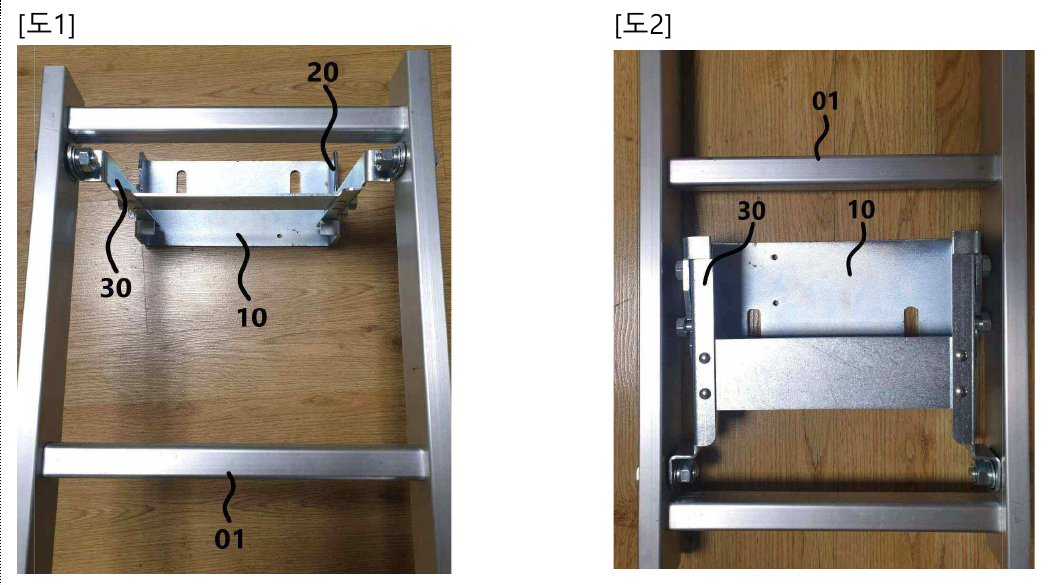
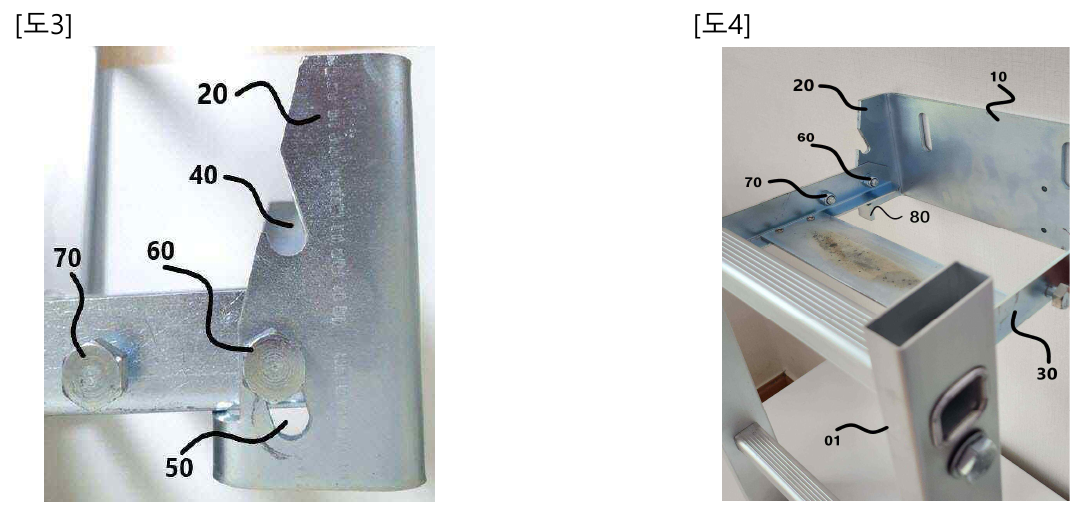
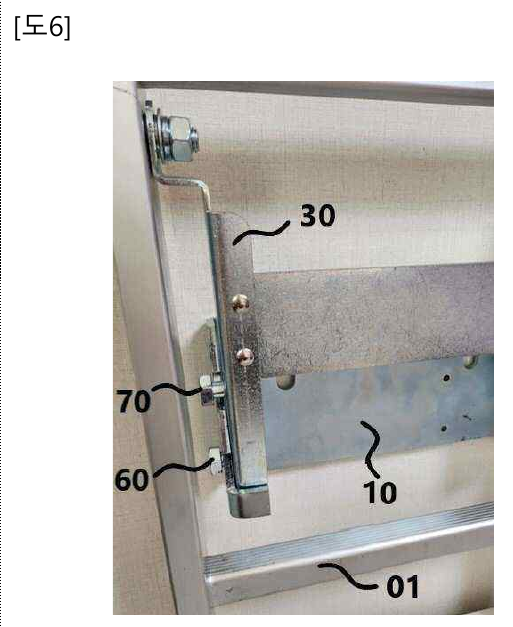
The mechanism used a wall-mounted frame, pivoting spacer frames and a ladder frame. A locking groove and projection, together with an inclined elongated hinge opening and a hinge shaft, enabled the ladder to fold towards the wall or remain spaced away from it. These structural relationships formed the background to the scope dispute.
What the scope petition sought
The patentee filed an affirmative scope-confirmation petition with the Intellectual Property Trial and Appeal Board (IPTAB) on 6 January 2025, numbered 2025Dang36. The description and drawings identifying the product were amended on 2 September 2025.
The patentee argued that the identified ladder incorporated all essential claim elements. That was a party’s position, not a conclusion adopted by the court. The IPTAB rejected the petition on the basis that claim 1 was substantially identical to prior art and lacked novelty.
A separate invalidity proceeding changed the position
An invalidity petition filed on 21 June 2025 proceeded separately as case 2025Dang1806. On 24 September 2025, the IPTAB invalidated claim 1 for lack of novelty and inventive step.
The patentee’s challenge to that decision, case 2025Heo10578, was rejected on 13 May 2026. The judgment and the invalidity decision became final. This was a separate validity proceeding, rather than an earlier procedural stage of the scope-confirmation action.
A current right is necessary
Once invalidation became final, claim 1 was treated as never having existed. A scope-confirmation proceeding presupposes an existing patent right whose reach can be determined. There was therefore no longer a legal interest in obtaining confirmation of the scope of this claim.
The court recognised that a decision addressing the scope of a right deemed never to have existed could itself be unlawful. That did not, however, give the patentee a legal interest in seeking its revocation after final invalidation.
Inadmissibility is different from a merits decision
The court disposed of the revocation action on procedural admissibility grounds. Its dismissal should not be presented as a new merits ruling about whether the particular ladder satisfied the technical limitations.
The conclusion concerns claim 1, which was the subject of the final invalidation. It should not be extended without analysis to every claim of the patent or to a separate claim for damages.
Managing parallel proceedings
A product comparison alone is not enough when scope and validity proceedings run in parallel. The parties also need to track the exact claims challenged, the status of each decision and the date on which invalidity becomes final.
Before continuing a scope-related action, practitioners should reassess both the substantive argument and the continuing legal interest in the relief sought. The original comparison figures below preserve the technical context; they do not change the procedural basis of the judgment.
The original figure labels and forms are preserved; the text explains the facts and the court’s reasoning.