
Claims at issue
The Korean Patent Court dismissed the challenge in case 2025Heo10509 on 8 July 2026, leaving in place the IPTAB decision of 27 June 2025 cancelling claims 1, 2, 4, 5 and 7 of patent No. 2640367. The result concerned those claims; it should not be extended to claims 3 and 6 or described as invalidation of every claim.
Moisture, heating and the reaction of the resist
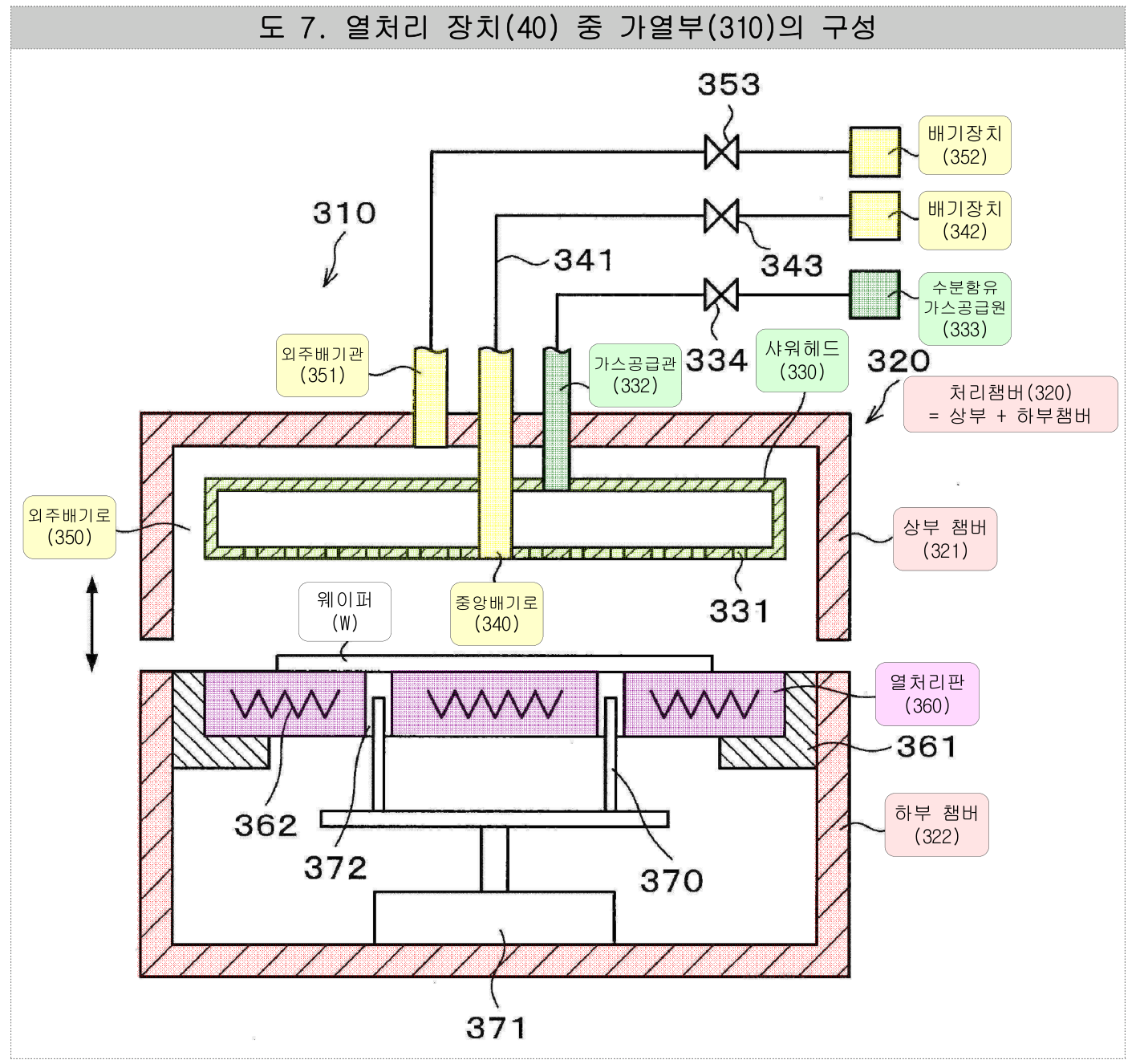
Claim 1 concerned processing an exposed substrate bearing a metal-containing resist or metal hard mask on a heating plate. The chamber was evacuated and heated, with moisture supplied before or during heating at a specified 43–60% level to promote aggregation. Claims 4 and 7 addressed the corresponding apparatus and program-storage medium.
Prior art 1 controlled moisture during post-exposure baking of an organic chemically amplified resist. Prior art 5 described hydrolysis of a metal-containing resist, hydroxide formation and subsequent metal–oxygen condensation. The court examined the actual reaction mechanism rather than treating “aggregation” and “condensation” as decisive verbal distinctions. Continued condensation during heating was relevant; the disclosure was not confined to the solution stage or exposure alone.
Why the teachings could be combined
Moisture control was already connected to pattern line width and uniformity, and the response of metal-containing resists to water was known. The court considered whether a skilled person would apply the established process control when selecting metal-containing materials for resolution and etch resistance.
The assessment connected the technical problem, the material properties and the process conditions. It did not rest on an assumption that organic and metal-containing resists were chemically identical.
An overlapping numerical range was not enough by itself
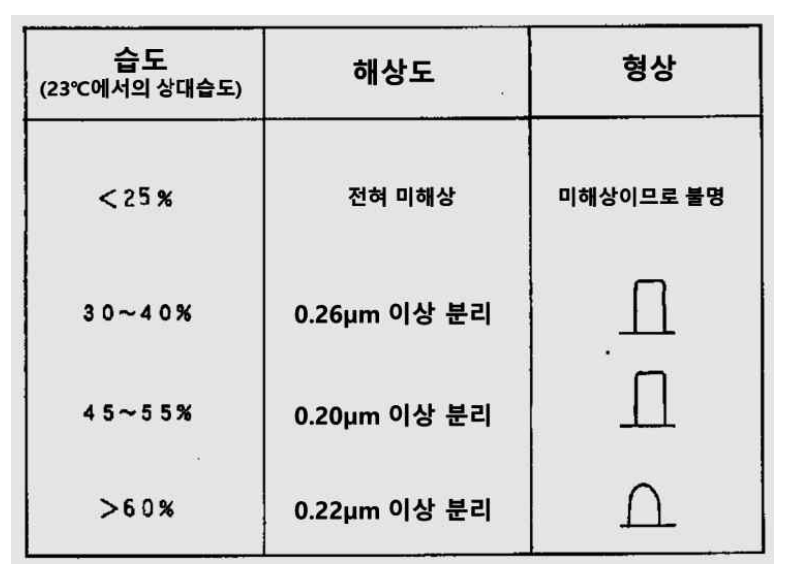
Prior art 1 disclosed 45–55% relative humidity at 23°C, within the claimed 43–60% range. Because the resist materials differed, the overlap alone did not establish identity. It was considered together with the motivation to combine the disclosures and the expected effect of moisture on line width.
The patent did not establish a qualitatively different or markedly improved effect attributable to the selected range. On this record the range was treated as ordinary optimisation. This is a case-specific assessment, not a rule that every numerical invention fails unless it presents the same type of experiment.
Dependent claims and drafting implications
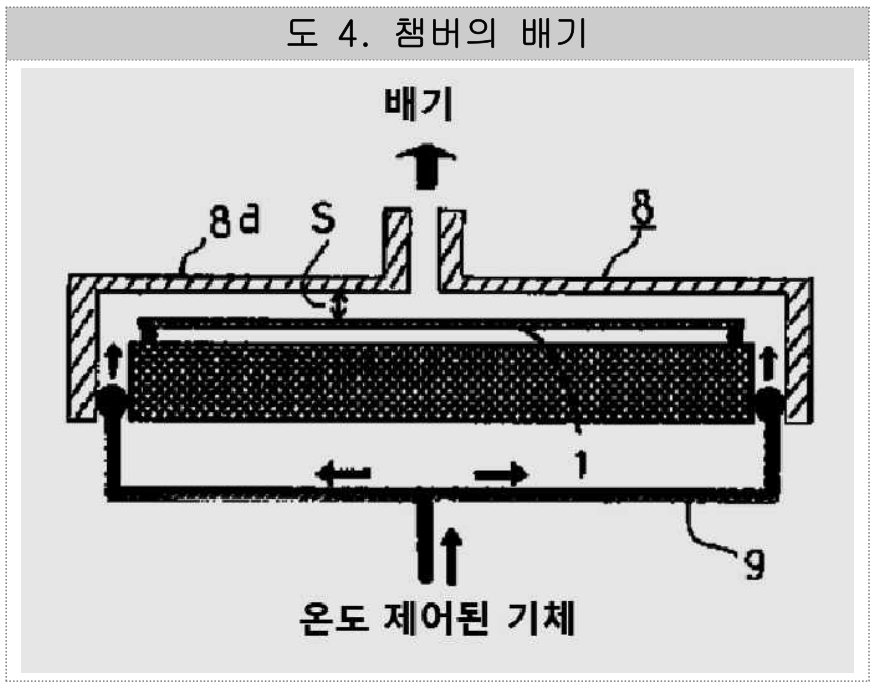
For claims 2 and 5, prior art 6 disclosed humidification at approximately 50% before heating. Using a separate closable container was regarded as an ordinary design choice in this processing context. Claims 1, 4 and 7 lacked inventive step over prior art 1 with 5, and claims 2 and 5 over the combination including 6.
When relying on a numerical range, explain how the material, reaction and process interact, why the selected interval matters and what evidence supports its effect. In disputes, examine both the reason to combine and the complete limitations of each claim. IPLEX assists with patent drafting and Korean invalidation and appeal proceedings.
The original figure labels and forms are preserved; the text explains the source material.