

Claim 1 and the invalidation appeal
On 9 July 2026, the Korean Patent Court dismissed the patentee’s claims against all defendants in case 2025Heo10655. The IPTAB had invalidated claim 1 of patent No. 2220038 on 5 December 2025 in case 2025Dang2653. The patent application was filed on 16 July 2020. The decision concerns claim 1, rather than a finding about every conceivable saxophone repair technique.
Filling the space inside the key cup
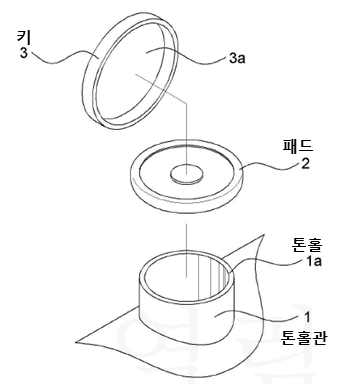
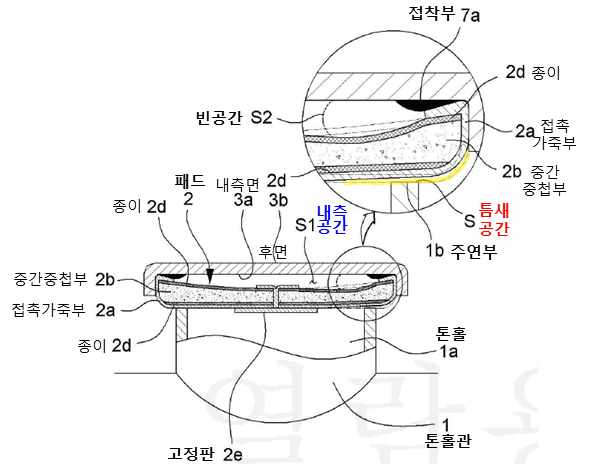
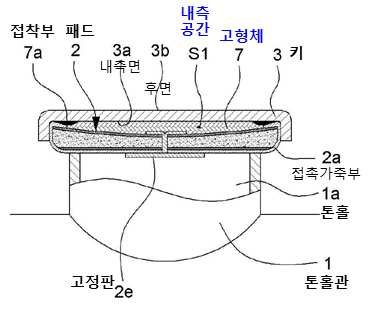
The patent addressed an internal gap between a saxophone pad and its key cup. Deformation could then prevent the pad from sealing the tone hole: the internal adhesive space and the external tone-hole gap are different locations. Claim 1 described heating the rear of the key with 60–95°C hot air, detaching the pad, inserting solid adhesive of the same composition as the existing adhesive, reheating to fill the entire internal space and cooling at room temperature.
The resulting structure consisted of pad, solidified adhesive and key without the internal void. The claimed result and the process language had to be read together.
What the manual and video taught
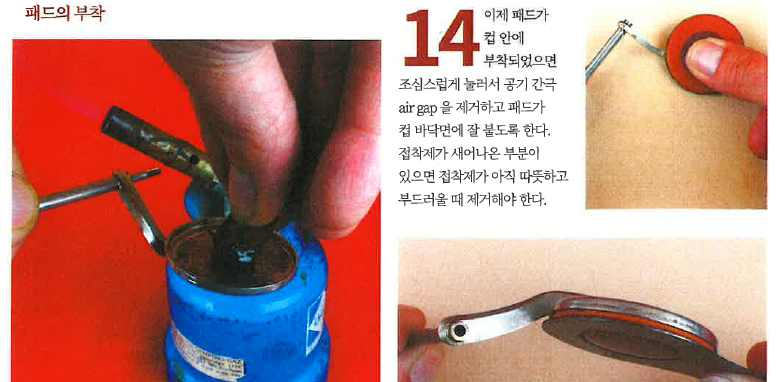
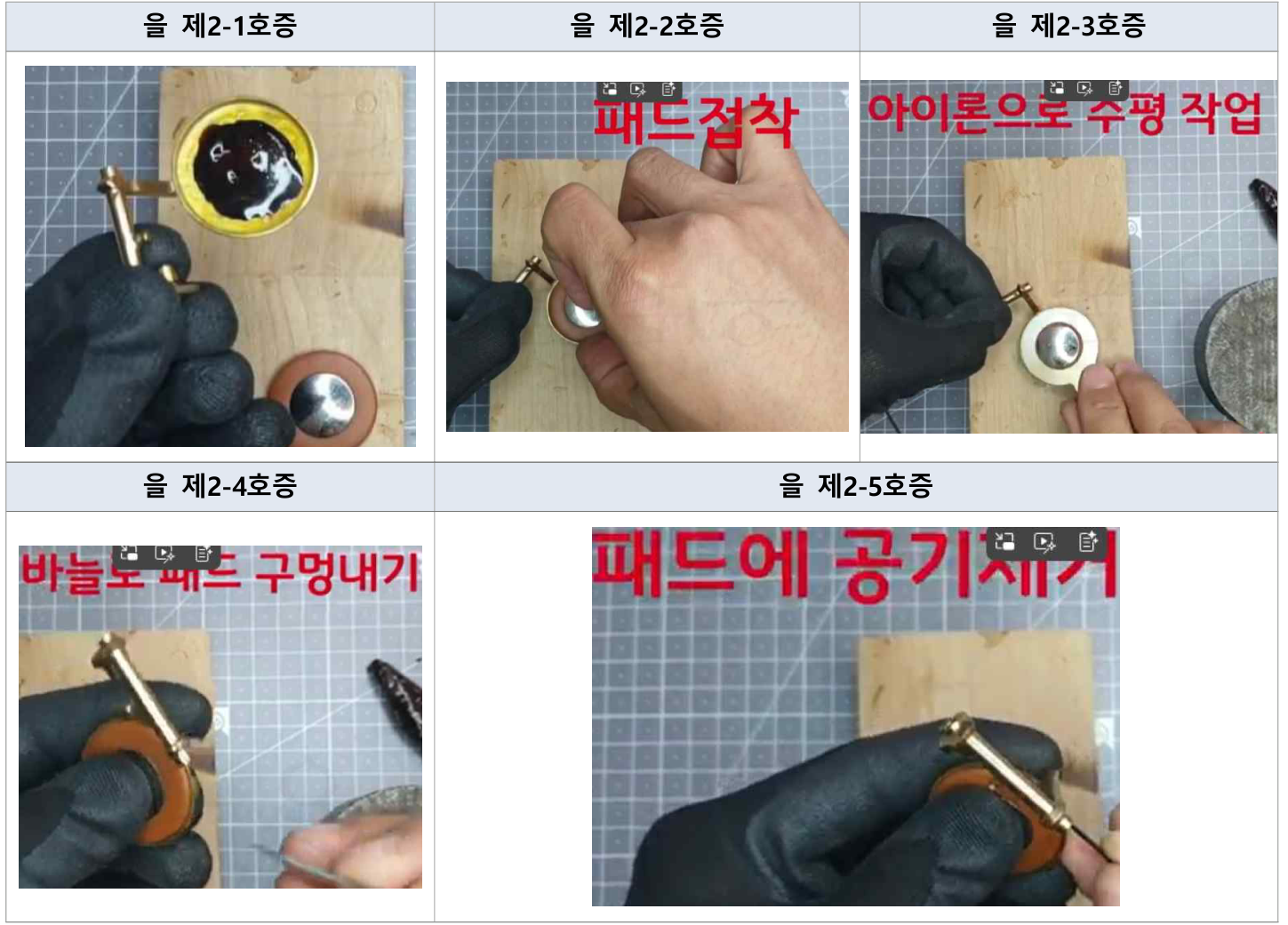
Prior art 1 was Stephen Howard’s Saxophone Manual, published on 1 September 2018; prior art 2 was a video made public on 10 April 2020. The manual instructed using enough adhesive to form a small pool at the centre, pressing the pad to remove air gaps and adjusting its angle to seal the tone hole. The video also showed filling, releasing trapped air with a needle and levelling.
The court considered complete filling readily inferable from those operations and their purpose, even without the same express wording. A reference to a thin coating described an intermediate melting step, not adhesive confined to the edge. A perforated pad slick was used to smooth the leather, not proof of edge-only bonding.
Hot air, temperature and the order of assembly
The manual used a torch without an express temperature range, so a difference from 60–95°C hot air was recognised. However, the patent disclosed no particular technical significance or critical effect for that interval beyond melting adhesive while avoiding heat damage. The manual also warned against overheating and called for gentle heating.
The manual included placing adhesive pieces into an assembled key before heating. More generally, the skilled person could select the order of melting and assembly in light of heat resistance, dimensions, heating time and tools. The asserted closed-space sequence therefore did not establish the required distinction.
Compare the product defined by the process
Claim 1 was a product-by-process claim. The comparison concerned the structure and properties of the resulting product, rather than treating each manufacturing instruction as an independently decisive difference. The filled pad–adhesive–key structure was substantively disclosed by the prior art, and the asserted procedure was not shown to produce different structure or properties.
The case highlights the need to connect process limitations to a distinctive resulting product and supported technical effects. Manuals and videos can be relevant prior art when their date and content are established; their existence does not automatically invalidate a patent. IPLEX assists with claim drafting, prior-art assessment and Korean invalidation disputes.
The original figure labels and forms are preserved; the text explains the source material.