

A dispute over the scope of a mask design
On 8 January 2026, the Supreme Court of Korea dismissed the appeal in case 2025Hu10235, leaving intact the finding that the design under review fell within the registered design’s scope. The mask design, registration No. 1085401, was filed on 29 September 2020 and registered on 3 December 2020. The claimant’s negative scope-confirmation petition had failed before the Intellectual Property Trial and Appeal Board on 21 January 2025, case 2024Dang1561, and the Patent Court on 14 August 2025, case 2025Heo10300.
Both masks combined an upper face section and a lower neck section, rounded raised upper ends, crescent-shaped ear loops, a projecting beak-like mouth and nose section with ventilation holes, a central pointed line below and hook-and-loop fasteners. Differences included slopes, curves, side projections and an oval versus inverted-triangular frontal projection.
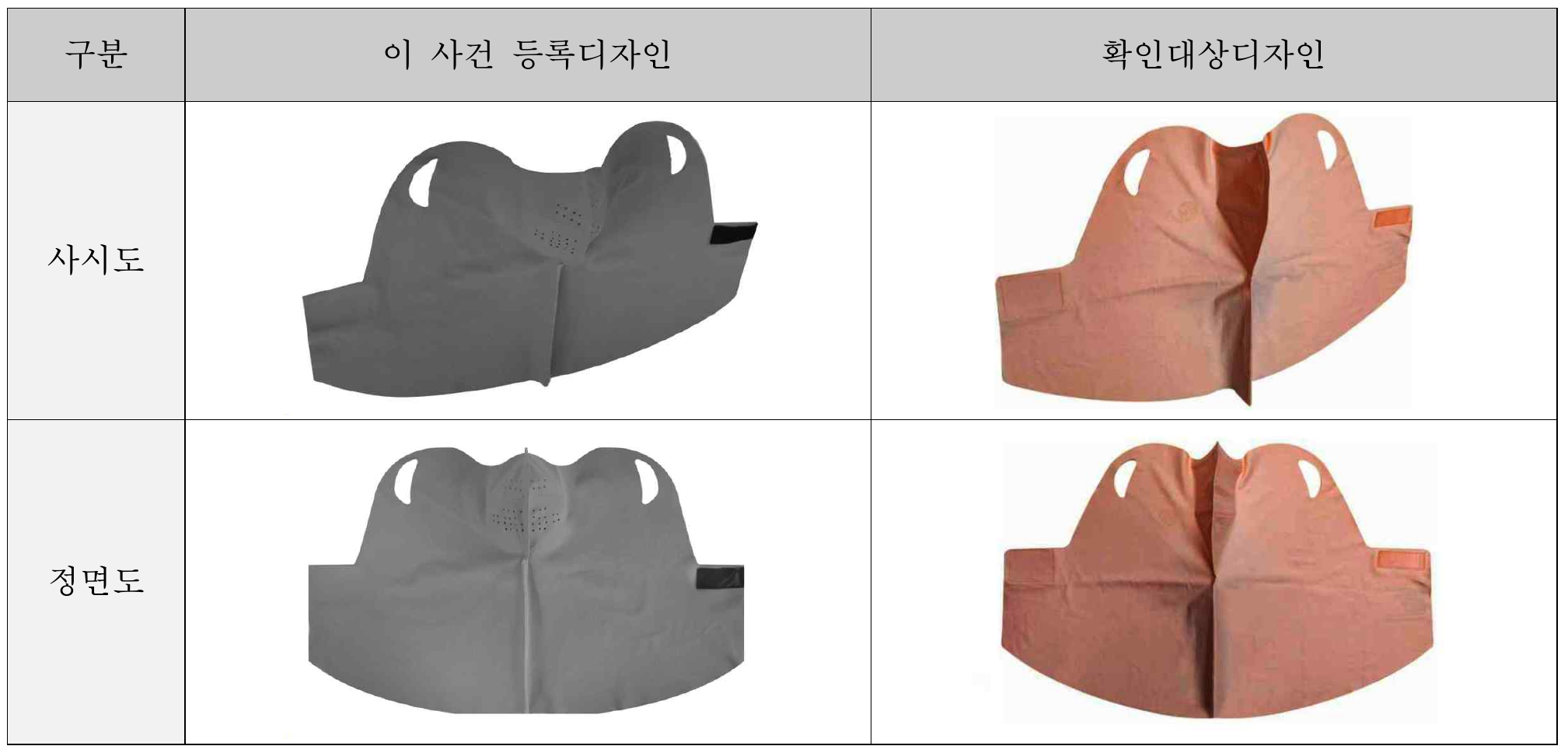
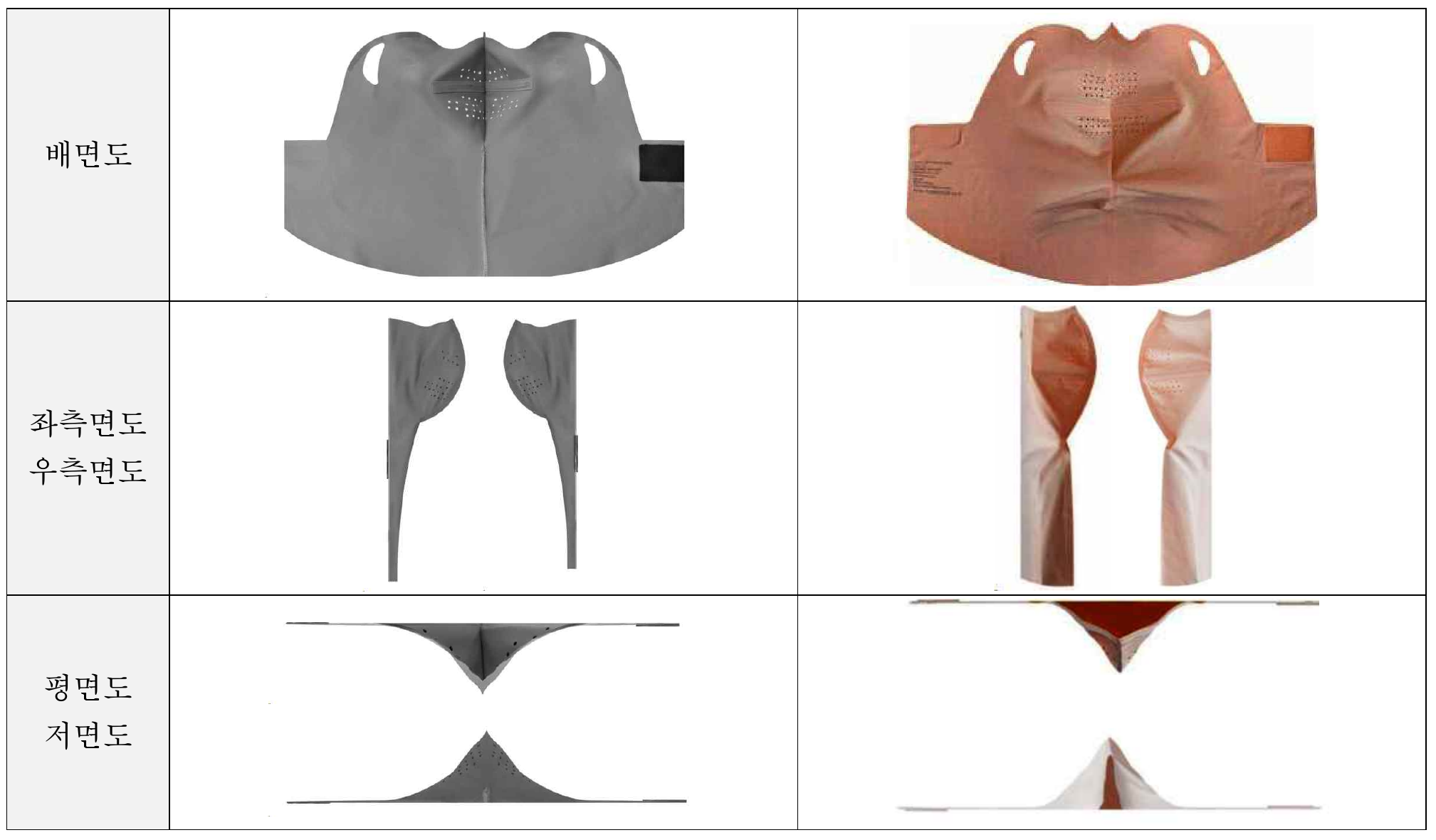
Compare the complete appearance, including known features
Similarity depends on the overall aesthetic impression and dominant features, including the appearance during trade as well as use. Individual known shapes may form a combination with a new impression. They should not simply be removed from the comparison, although known features do not thereby obtain a new standalone monopoly.
The lower court found a frog-like impression from the two-tier structure, raised ends, ear loops and projecting face section, together with a neat, ordered appearance. Small variations did not change those dominant features. Even the claimed horizontal support and 52 diagonally arranged holes versus 76 straight-aligned holes required close observation and had little overall impact. The Supreme Court accepted the conclusion despite some imperfect reasoning below.
Function and the availability of alternative shapes
A feature is not necessarily of low importance merely because it performs a function. Where another shape could achieve that function, the selected shape is not indispensable. Absent special circumstances, such as the feature itself being known, functional association alone does not justify discounting it.
This is a qualified rule, not a statement that all functional features enjoy strong protection. The inquiry concerns alternatives, the article’s characteristics and the contribution of the feature to the complete appearance.
A freely practicable design is a separate defence
A design readily obtainable by an ordinary designer from earlier public designs or their combination may fall outside the right without comparison with the registered design. Here, prior design 12 lacked the crescent loops and beak-like portion and looked wrinkled; design 1 used an integrated face-and-neck structure with internal loops, while design 5 had a paw pattern and no lower neck section. Simply combining those references did not readily produce the disputed design’s integrated impression.
The Supreme Court also distinguished this defence from challenging the registered design’s lack of creative difficulty. The latter argument was not permissible in these scope proceedings and had additionally been raised for the first time on appeal. For product development and disputes, document the overall visual effect, functional alternatives and a concrete comparison with prior designs. Minor alterations alone do not establish freedom to operate; this decision confirmed design scope rather than damages liability.
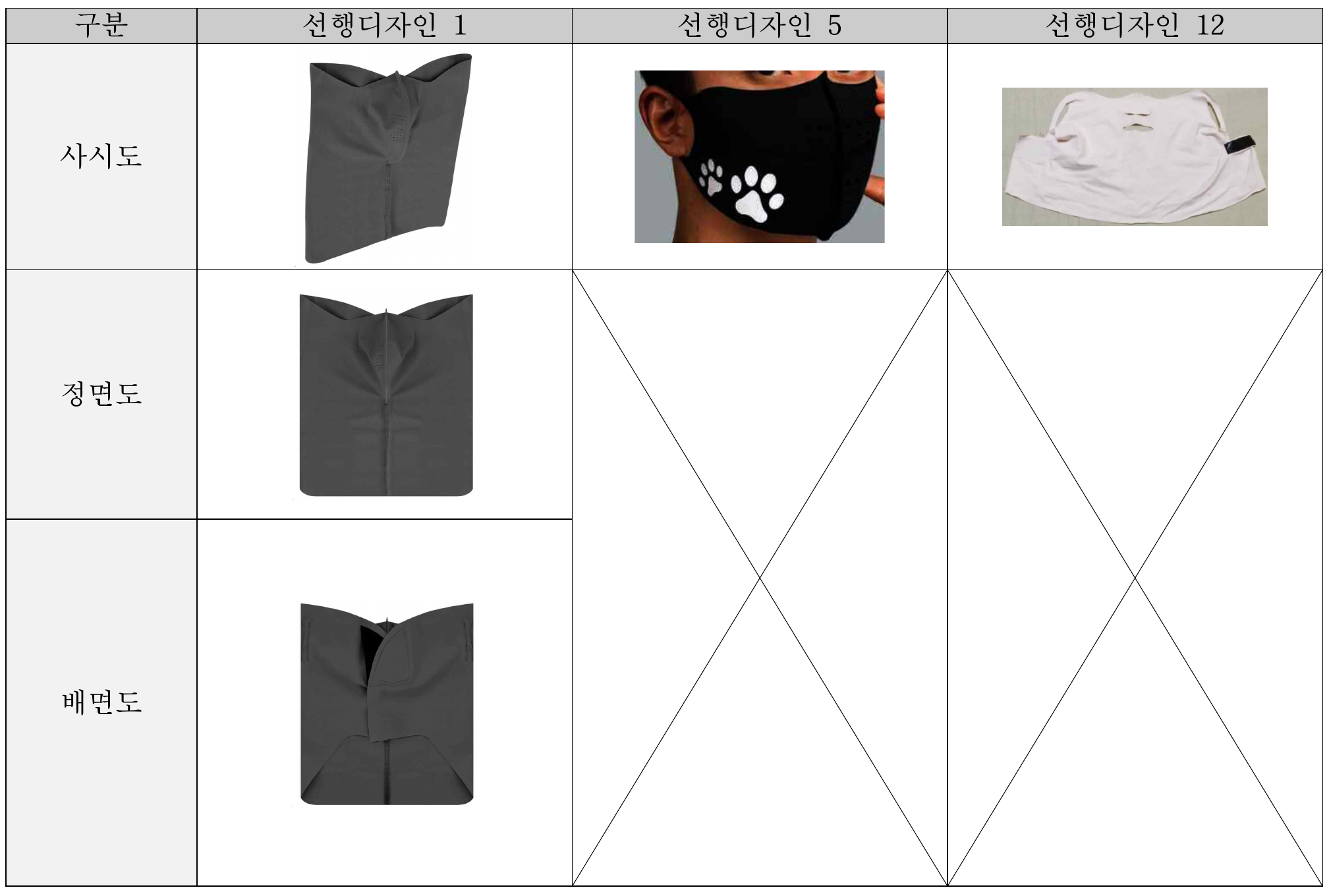
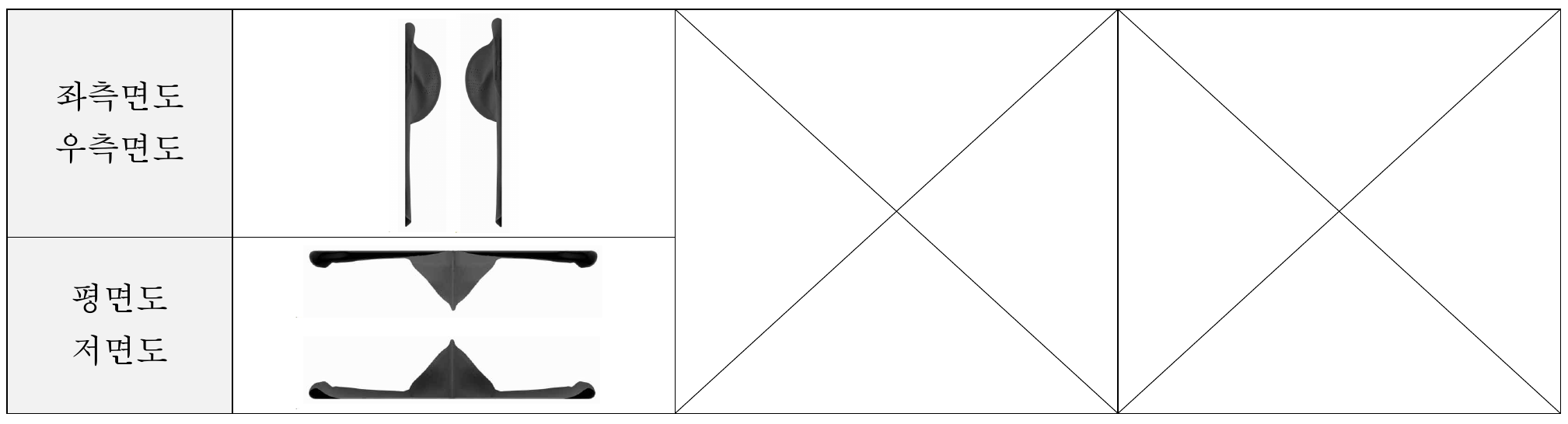
The original figure labels and forms are preserved; the text explains the facts and the court’s reasoning.