
The registration and invalidation dispute
Korea’s Patent Court dismissed the challenge in 2026Heo10028 on 18 June 2026. Design No. 971647, filed on 29 December 2017 and registered on 31 August 2018, concerned an interlocking lightweight block for walls, partitions and double walls. Five thin panels were layered, with two intermediate panels extending upwards and to the left in the perspective view.
The challenger sought cancellation after the tribunal dismissed invalidation case 2023Dang1500 on 30 December 2025. Its arguments concerned inconsistent drawings, similarity to earlier designs, ease of creation and an allegedly unentitled applicant. None succeeded.
Read the views together
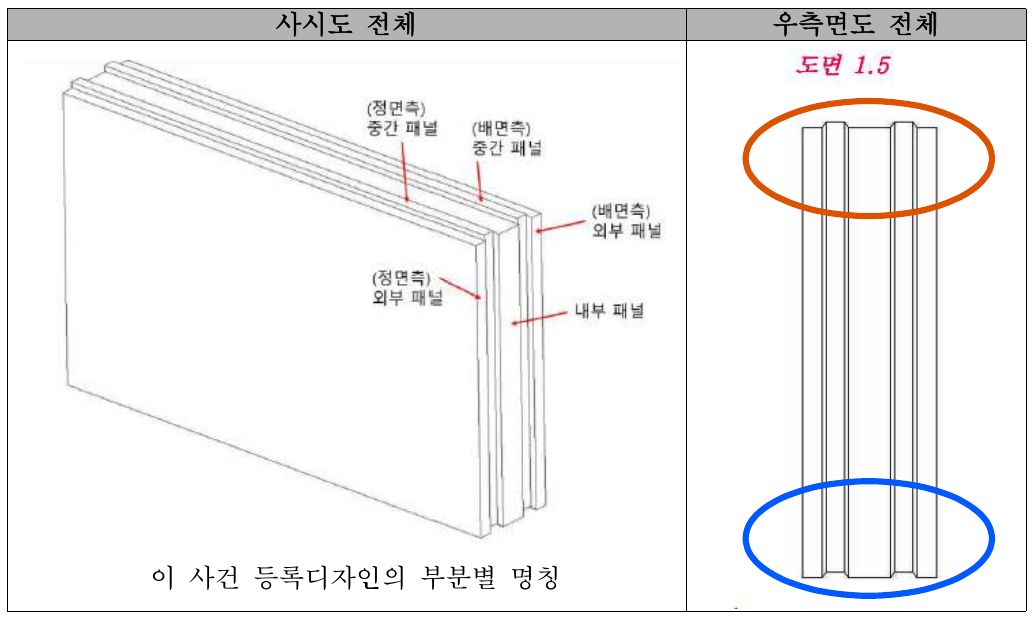
Industrial applicability requires the same article shape to be reproducible by industrial means. A drawing discrepancy is not automatically fatal: a minor inconsistency may be tolerable where a designer of ordinary skill can identify the essential design from the drawings and description as a whole.
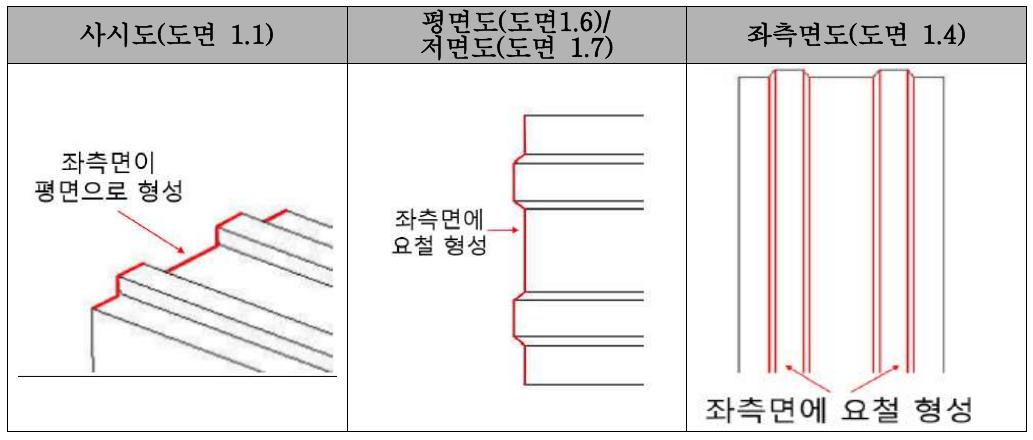
The perspective view looked from the right and could conceal the left-hand projection. The plan and left-side views clarified the two intermediate panels’ upward and leftward extensions. Apparent recesses and projections in the right-side view reflected different three-dimensional directions. Although the connection appeared perpendicular in one view, solid lines elsewhere revealed the inclined projection. The essential shape remained ascertainable.
Similarity and ease of creation are separate questions
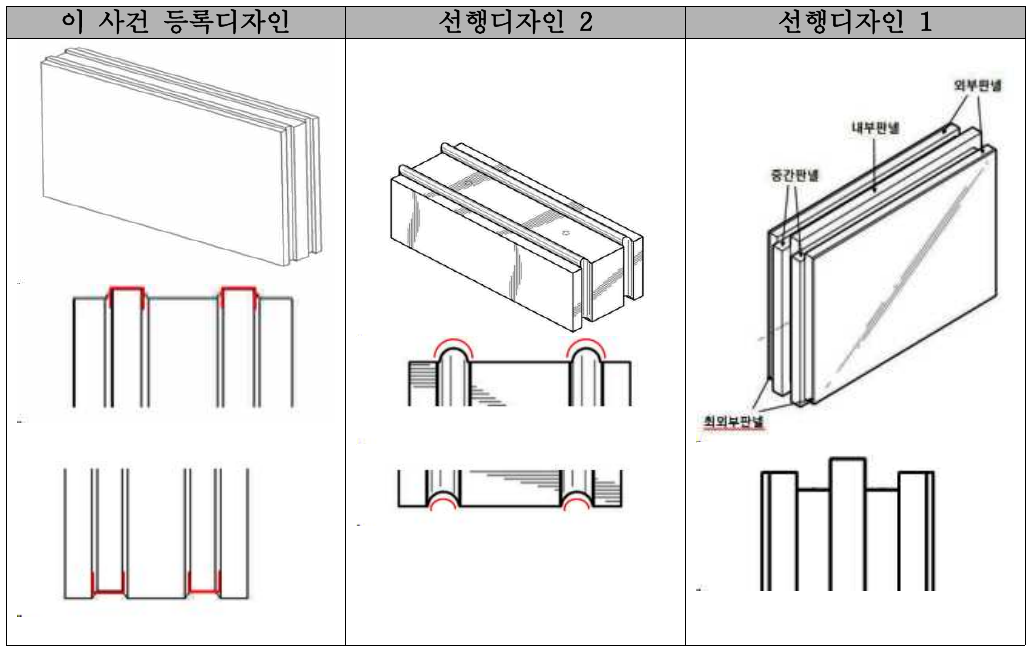
One prior design was another lightweight block; the other was a wall block for a glass-furnace regenerator. Their uses and functions were identical or similar, but that did not determine their overall visual impressions. Compared with the first, the registered design differed in panel count, projection direction, heights and widths, producing a more balanced impression rather than the earlier design’s varied, dynamic contours.
Compared with the second, angular rather than rounded projections, inner-panel width, surface pattern and circular openings affected readily visible features. The court also rejected easy creation: the changes affected structure and appearance, were not shown to be routine dimensional or functional adjustments, and combining the references did not readily yield the inclined panels and height relationships.
Manufacturing correspondence is not proof of authorship
The challenger bore the burden of proving that the applicant was neither the creator nor a successor entitled to register. Evidence included mould drawings, quotations, emails, prototype photographs and messages about manufacturing. Receiving business emails or taking photographs on a particular phone did not establish creative authorship.
The question was who conceived or concretely developed the features dominating the overall visual impression. The materials did not establish that contribution. Production coordination and a design’s creative development must therefore be distinguished when assessing entitlement.
Practical points for filing and disputes
Check perspective, front, side and plan views against one another before filing, including slopes, projection directions, relative heights and the meaning of solid lines. The decision does not excuse inaccurate drawings; it illustrates a contextual assessment of whether the design can still be identified.
Compare complete visual impressions, not just a count of shared features, and address similarity separately from ease of creation. Preserve dated sketches, revisions and proposals identifying who devised the essential form. Such records complement manufacturing correspondence and help establish both the registered subject matter and the right to apply.
The original figure labels and forms are preserved; the text explains the facts and the court’s reasoning.