
Three applications and the refusal under review
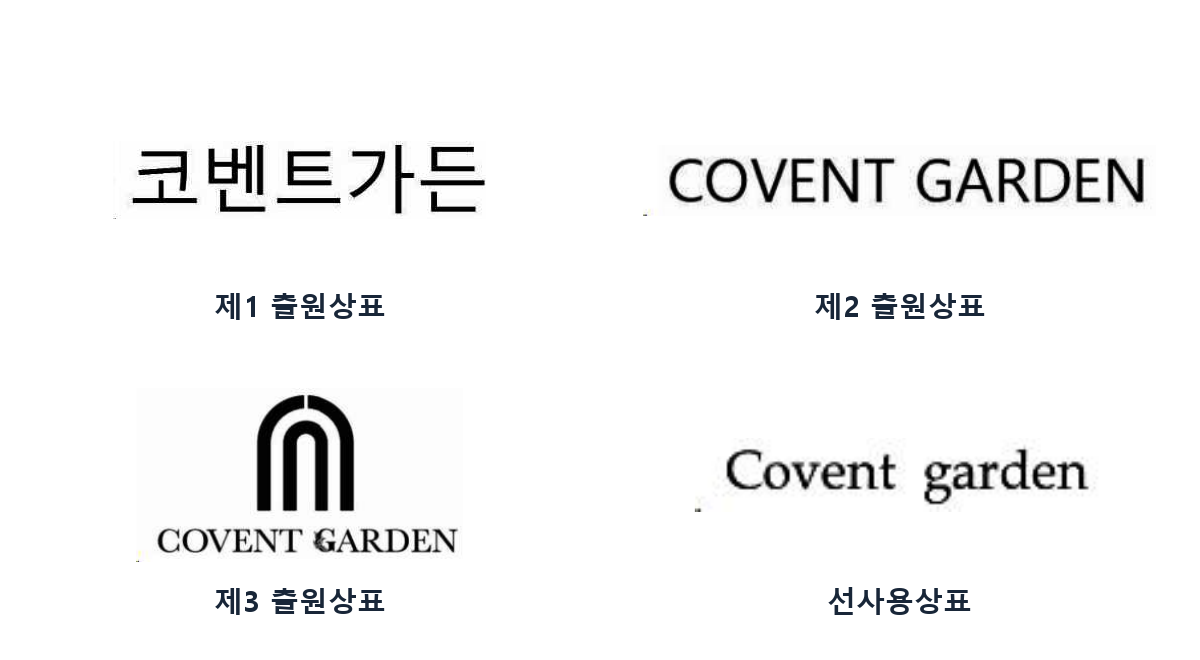
On 27 November 2025, Korea’s Patent Court decided joined cases 2025Heo10345, 10346 and 10347. The applicant had filed Korean, English and composite Covent Garden marks on 9 September 2020 for Class 36 services including building management, leasing, property sales and investment. A UK company relied on its earlier Covent garden sign for property letting and management.
Following opposition, the applications were refused under Article 34(1)(13) of the Korean Trademark Act. The tribunal upheld those refusals on 28 February 2025. The court’s task was to review that particular refusal ground, not to decide that every geographical name is registrable.
Similarity does not complete the statutory test
The court accepted similarity of the signs, which shared the pronunciation Covent Garden, and identity or similarity of the relevant services. But Article 34(1)(13) also requires the earlier sign to have been recognised by consumers in Korea or abroad as identifying a particular undertaking, and an improper purpose on the applicant’s part.
The relevant date was 9 September 2020. Recognition, originality, the parties’ relationship, their services and business preparations all informed the assessment. Familiarity with a place and an intention to trade on a company’s goodwill cannot simply be presumed from similar names.
What the evidence established about the place
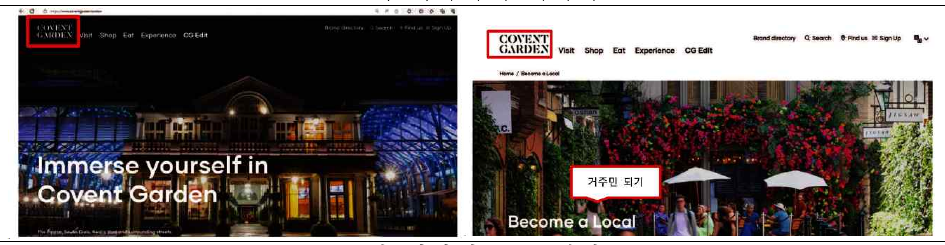
Covent Garden was already a well-known London district, associated with its market and shopping area, station, tourist signs and addresses. The UK company owned about 30–40% of the area; other landlords and tourism websites also used the name. Repeated exposure could therefore identify the location rather than a single commercial source.
Rental income and advertising expenditure did not resolve that distinction. The evidence needed to connect the particular sign, the relevant services and consumers’ understanding. Websites and social media largely promoted shopping, food and attractions; improving a district’s appeal is not, by itself, proof of service-mark recognition.
Actual use and improper purpose
Leases, annual reports and brochures also used the sign, often alongside maps or views of the district. The earliest use capable of being treated as service use preceded filing by only about three years. Recognition of stylised versions did not automatically establish recognition of the specific word sign relied upon.
The applicant’s street-mall displays, shop models, vehicle and flower installations were also examined. Some shops were unrelated to Covent Garden or linked to other landlords; the identity of those who installed displays and the dates of photographs mattered. Referencing a famous street did not establish knowledge of this particular landlord or an intent to exploit its goodwill.
Outcome and evidence to retain
The court set aside all three tribunal decisions, 2023Won1159, 1160 and 1161. Similarity was accepted, but the required source recognition and improper purpose were not established. The decision neither confers a monopoly over the place name nor dispenses with other registration requirements or third-party rights.
For geographical brands, keep dated material connecting each actual sign with a specific service and undertaking. Separate service-related turnover and advertising from general place promotion, preserve versions of word and composite marks, and explain what consumers understood. Exposure figures alone do not answer the source-identification question.
The original figure labels and forms are preserved; the text explains the facts and the court’s reasoning.