
The dispute and its procedural setting
In its decision of 30 April 2026, the Korean Patent Court considered whether ‘250 SERIES’, used on continuous refuse-bag refills, fell within the scope of Korean trade mark registration 1359896 for ‘250’. The Intellectual Property Trial and Appeal Board had answered yes in decision 2023당3227 of 16 May 2025. The refill seller challenged that decision, arguing that the number identified the compatible bin model, rather than the commercial origin of the refill.
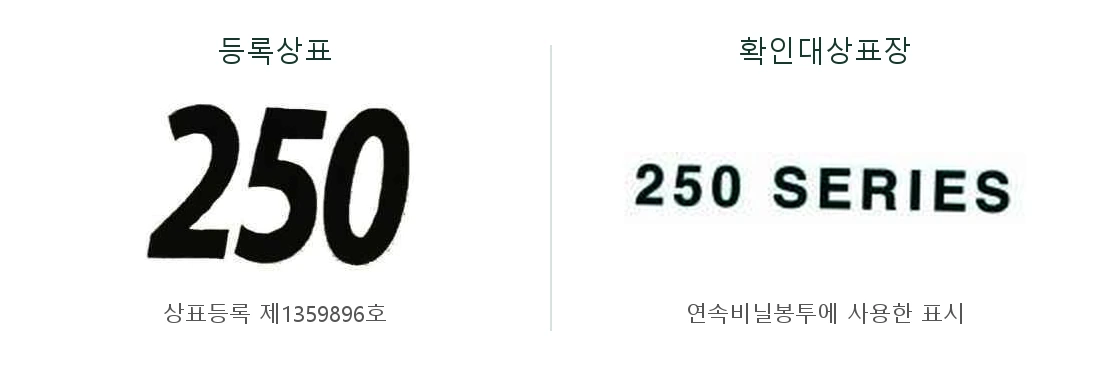
Trade mark use comes before similarity
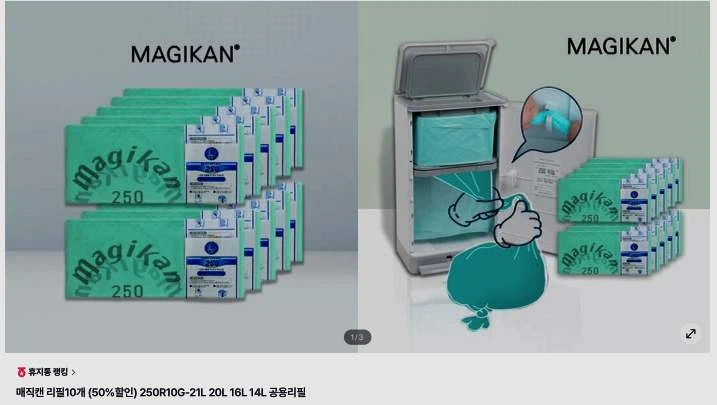
A sign must function as an indication of origin before its use can fall within the registered mark’s scope in these proceedings. The court considered the relationship between sign and product, positioning and relative size, the mark’s reputation, the circumstances of use and the user’s intention. Identical numerals alone did not settle the question. The proprietor itself used M220, M250 and M280 as bin model names and placed the corresponding number beside a separate product name on refills. Evidence that ‘250’ independently identified commercial origin was insufficient. The proprietor’s placement of the registration symbol beside its product name, but not the number, was one contextual factor; it was not a rule that an unmarked registration loses protection.
What the packaging communicated
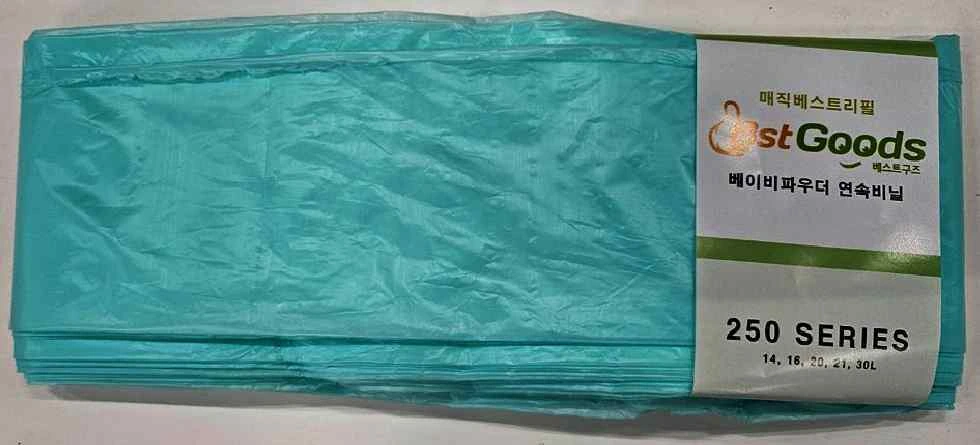
The seller’s wrapper prominently displayed a stylised BestGoods logo above a green division. The distinctive lettering included a thumbs-up form and a face motif. ‘250 SERIES’ appeared lower down, in black like the product information. Other refill suppliers likewise used model numbers to indicate compatibility. The listed capacities—14, 16, 20, 21 and 30 litres—referred to compatible bins, not a 250-litre bag. Consumers could not be expected to know that an M250 bin had a circumference of 70 centimetres, so the model number conveyed useful compatibility information. The outer box carried the seller’s own brand without ‘250 SERIES’.
The court’s conclusion and its limits
Taken together, these circumstances did not establish use of ‘250 SERIES’ as the refill’s trade mark. The court therefore set aside the Board’s decision. It did not invalidate the ‘250’ registration or grant a general permission to use another trader’s signs on compatible products. The ruling concerned the identified sign, goods and manner of use.
Practical considerations
A compatibility statement should be assessed alongside the seller’s own branding, the complete packaging and the sales presentation. Adding the word ‘compatible’ is not an automatic defence. Owners of numerical marks should preserve evidence showing how consumers perceive the number as an indication of origin. For either side, uncropped packaging, product listings and evidence of trading practice may be more informative than an isolated image of the disputed sign.
The comparison figures retain the forms and labels shown in the Korean source.