
2003 Heo 2812 Trademark refusal
[Legal]
Trademark similarity is assessed as a whole, objectively and at separate times, considering appearance, pronunciation and concept and the likelihood of source confusion. Similarity in one aspect is not decisive where the overall impression clearly distinguishes the marks.
Cited mark 1 | Cited mark 2 | Applied-for mark |
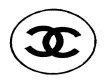 | 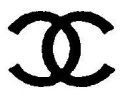 | 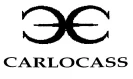 |
[Judgment]
The application combines separable graphic and word elements. Both graphics use two opposing C shapes, but one places them touching horizontally with a central line, while the cited graphics interlock vertically. Because the designs are simple, these differences materially affect their overall appearance. The graphics do not produce a particular pronunciation or concept that would support similarity.
[Decisions]
The applied-for mark was neither identical nor similar to the cited marks.
This article reflects the information available when it was published. Contact us to discuss your circumstances.