
If a notch appears in one earlier cutting board and a hook in another, does their combination automatically lose significance when comparing designs? The separate disclosure of components does not necessarily answer how their integrated form looks.
The Korean Patent Court’s judgment of 10 January 2024 in case 2022Na2060 considered the appearance of a board hung on a stand, the relationship between earlier designs and the practical significance of the way the notch and hook were joined.
The hanging-board dispute
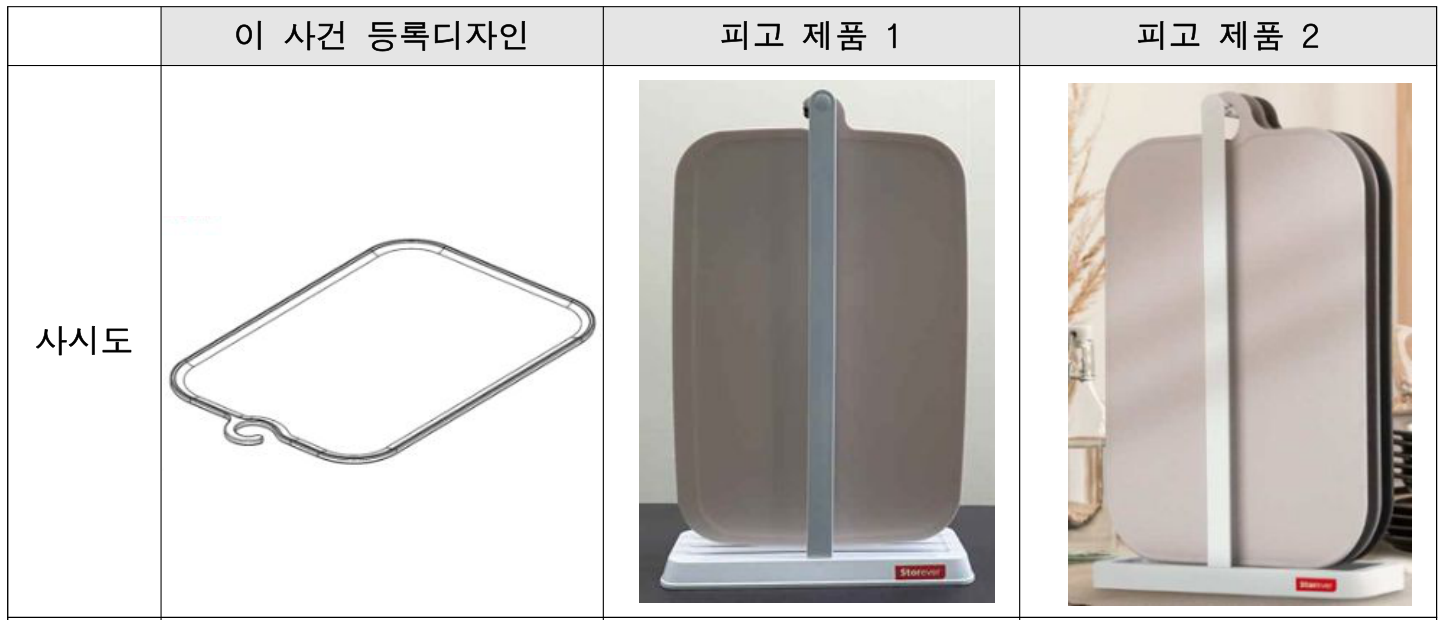
Registered design No. 0960906 has a U-shaped notch at the upper centre of a cutting board, joined to a reversed C-shaped hook open at its lower left. The defendant bought and resold product 1, then manufactured and sold product 2. The owner alleged that both products infringed the registered design.
The Seoul Central District Court dismissed the claim in case 2020Gahap526584. On appeal, the claimant extended its requests for an injunction and disposal to include product 2. The Patent Court compared perspective, plan and rear views, alongside drawings of earlier cutting boards.
The part that attracted attention in use
Design similarity is assessed through the aesthetic impression of the appearance as a whole. The product’s nature, function and manner of use help identify the features most likely to attract attention. Here, the thin rectangular body, rounded corners and thicker rim were ordinary features and carried relatively little weight.
The court focused on the top of the board as seen when it was hung for storage. Hanging boards often had an internal hole, while the integrated U-shaped notch and reversed C-shaped hook were not readily found in the market. Hanging functionality could also be achieved through different hook shapes, positions and connections, leaving room for design choices.
Product 1 had more rounded side contours and an undivided recessed rim. Both products lacked the small dotted pattern on the registered design’s rear. Those differences did not outweigh the common impression created by the upper notch-and-hook structure. Changing a rear pattern or part of the rim had left the visually prominent hanging configuration substantially similar.
Features known separately may form a distinctive combination
The defendant pointed to a U-shaped notch in prior design 1 and a reversed C-shaped hook in prior design 2, published in a Japanese design gazette. It argued that these common features should receive reduced weight in defining the registered design’s scope.
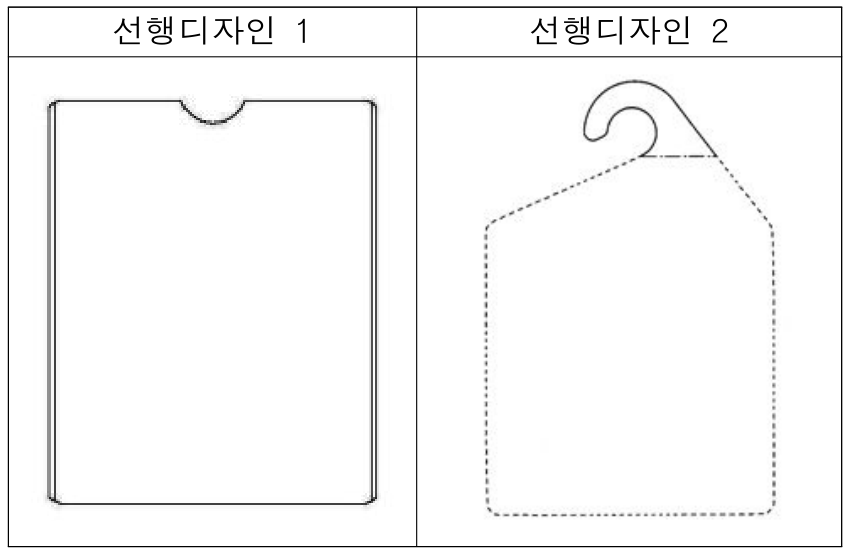
The court accepted that the individual features had appeared in separate earlier materials. But the connected upper structure was a defining structural characteristic of the design. Separate disclosure did not justify discounting the integrated form. Comparing prior designs therefore required attention both to individual elements and to the overall impression of their particular arrangement.
Was product 2 readily creatable from earlier designs?
The defendant also relied on the Korean defence that a product design readily creatable from known designs falls outside the registered design’s scope. This required examining whether a designer with ordinary knowledge in the field could readily make the proposed combination before the filing date, taking account of the articles involved, the relationship between their visual features and ordinary design practice.
Some cited coat-hanger designs combined a notch and a hook. But the record did not establish that cutting-board designers ordinarily drew on coat-hanger shapes. Prior design 2 also had a triangular upper body with the hook at its apex. That appearance was materially different from a board with a U-shaped recess and did not sufficiently explain why the proposed combination would be straightforward. The court rejected the defence for product 2.
The appellate outcome and design-development records
The Patent Court reversed the first-instance judgment and found both products similar to the registered design. It ordered the specified production, transfer and other dealings to stop, and ordered disposal of the stored products, relevant production equipment and other specified materials. It assessed damage at KRW 250 million, but awarded the KRW 51 million sought as a partial claim, together with delay interest. The assessed total and the amount awarded are different figures.
When developing a product, checking whether a notch, handle or hook exists in earlier drawings is only a starting point. Also compare where the parts sit, how they connect and the impression created from views buyers regularly see, including display and hanging storage.
For a filing, drawings should show both the whole article and the distinctive connection from informative angles. In a dispute, reliance on known features benefits from evidence of comparable combinations in the same type of product or of a normal design practice supporting the proposed combination. This decision turned on the specific joined form, its impression in storage and whether the earlier materials made that form readily achievable.
The original figure labels and forms are preserved; the text explains the source material.