
Can a foreign manufacturer infringe a Korean patent by advertising machinery through an overseas platform and its own foreign-hosted website? The location of the server does not settle the question: the court must examine whom the offer actually targets.
In case 2023Na10693, decided on 22 May 2025, the Korean Patent Court distinguished unproven completed transfers from proven offers directed at Korean customers. It also examined the machinery against the patent claims and the additional knowledge requirement for offering a patented method for use.
Korean jurisdiction and applicable law
An Italian company owning three Korean patents sued a Chinese manufacturer of sock-knitting machines. The defendant advertised the machines through an overseas e-commerce platform and its own website hosted in China, while the claimant sought protection for its Korean patent rights.
The court found a substantial connection with Korea and jurisdiction under Article 39 of Korea's Act on Private International Law, including alleged effects in Korea and conduct directed towards Korea. Under Article 40, Korean law governed the requested protection against infringement in Korea. The parties' foreign incorporation did not displace those territorial connections.
The machinery and the asserted claims
The first patent, No. 10-1570182, concerned closing one end of tubular knitted fabric: claim 1 covered a method and claim 7 an apparatus. The standard 3.75-inch machine retained the final row of loops, picked them up individually, removed the fabric, transferred it to the sewing position, turned and superimposed the loops, and closed the end in the claimed sequence.
Its annular handling device used two semi-annular members, one rotating by 180 degrees relative to the other. The court also compared the pick-up device under claim 1 of patent No. 10-1581875 and the sewing or linking head under claim 1 of patent No. 10-1618581, including the needle, hook and thread-cutting components.
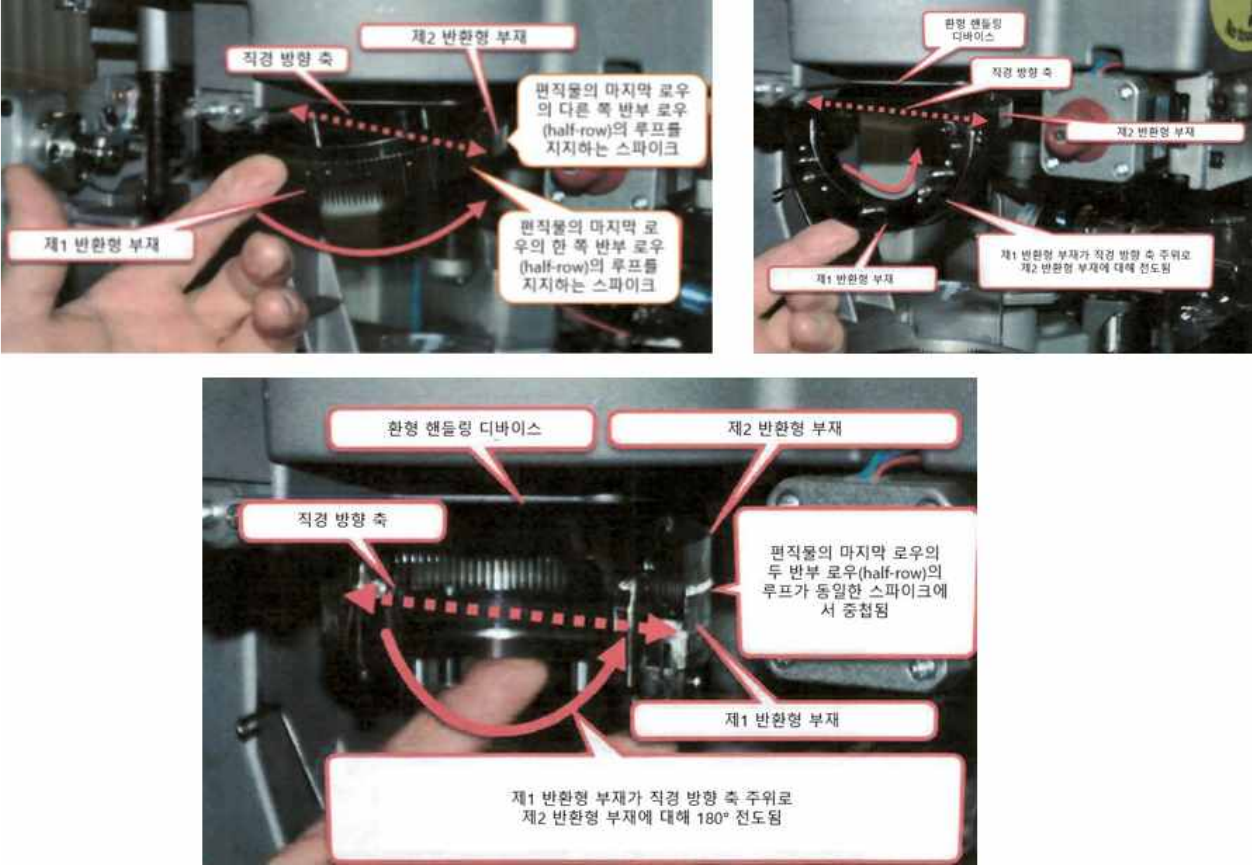
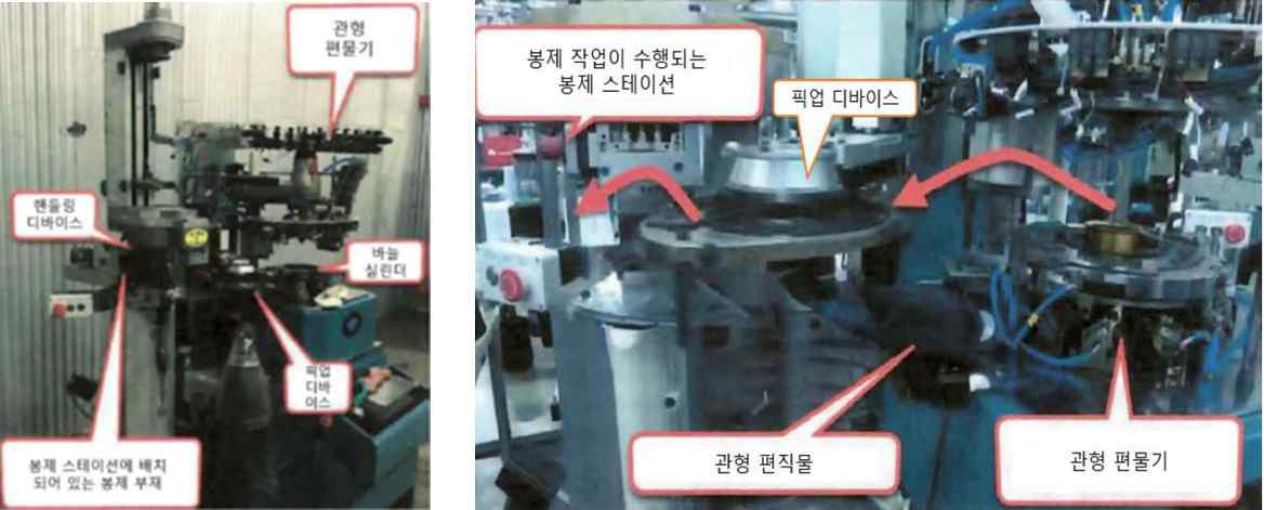
The 3.5-inch machine differed principally in cylinder diameter and needle count, affecting sock size. Its overall structure and functions, including the separate sewing head and toe-closing and sock-turning functions, were substantially the same. The court held that both machines fell within the asserted claims.
Why completed transfers were not proved
The claimant alleged that the manufacturer supplied the machines to a Korean distributor. A sticker identifying an import agent, a third party's email, and a final settlement-recommendation decision in separate litigation against the local business did not, individually or together, establish the manufacturer's actual transfers in this case.
Customs records contained similar model names and specifications, but identified a different overseas exporter. Machines from another producer with identical or similar names could not be excluded. The court therefore rejected the allegation of completed transfers on the available evidence; it did not treat the existence of an online offer as proof that a particular sale had occurred.
Offers directed at Korean customers
An offer for transfer, including display for that purpose, is itself a form of patent exploitation. The territorial question was whether these overseas postings functioned as substantive sales inducements directed at consumers in Korea.
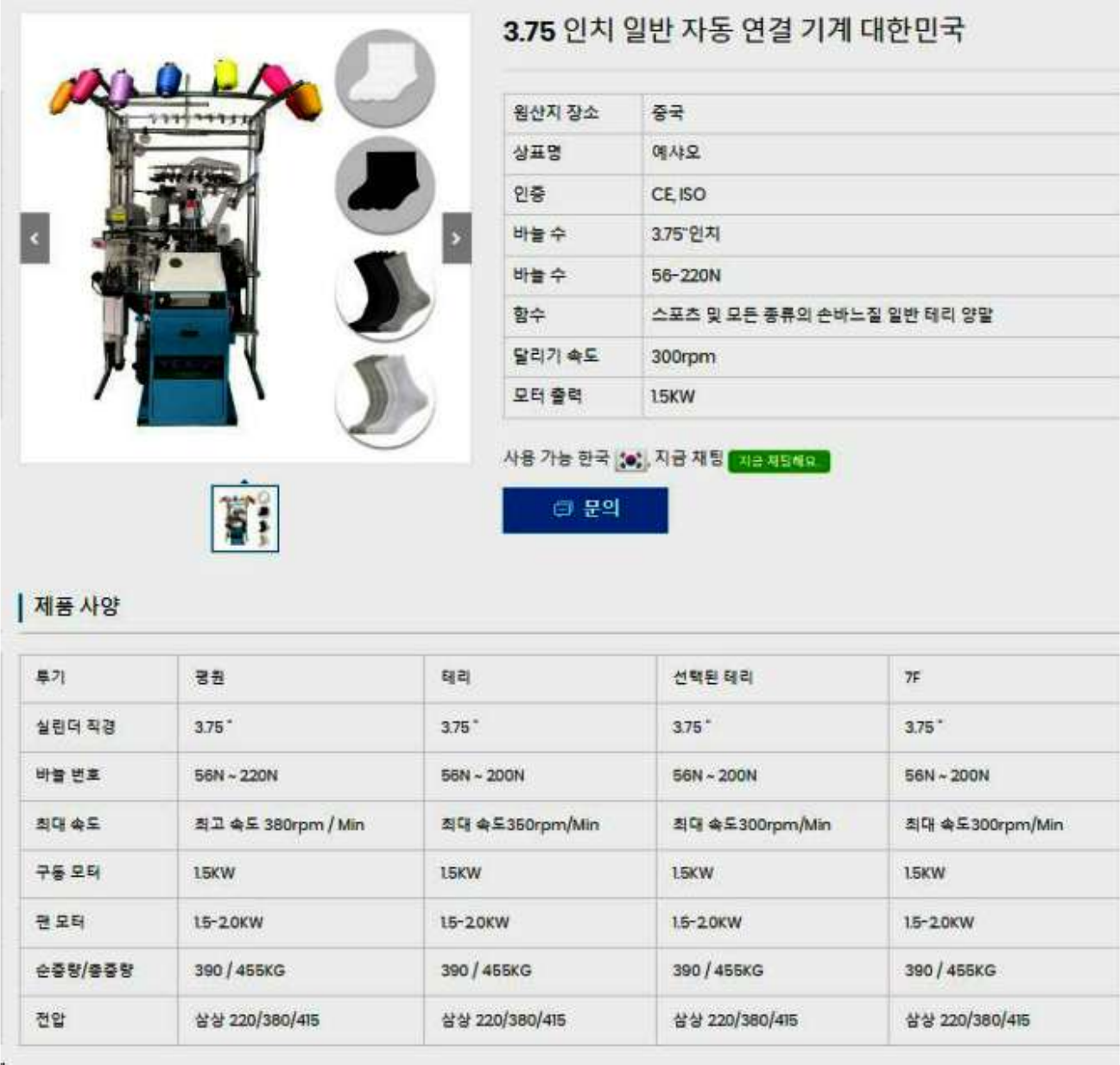
On the platform, product details were available in Korean, prices and payment could be expressed in won, and orders could be delivered to Korean addresses. Supplier messaging, live chat, delivery statements and customisation services supported the purchasing process. The court considered that combination, rather than Korean-language text in isolation.
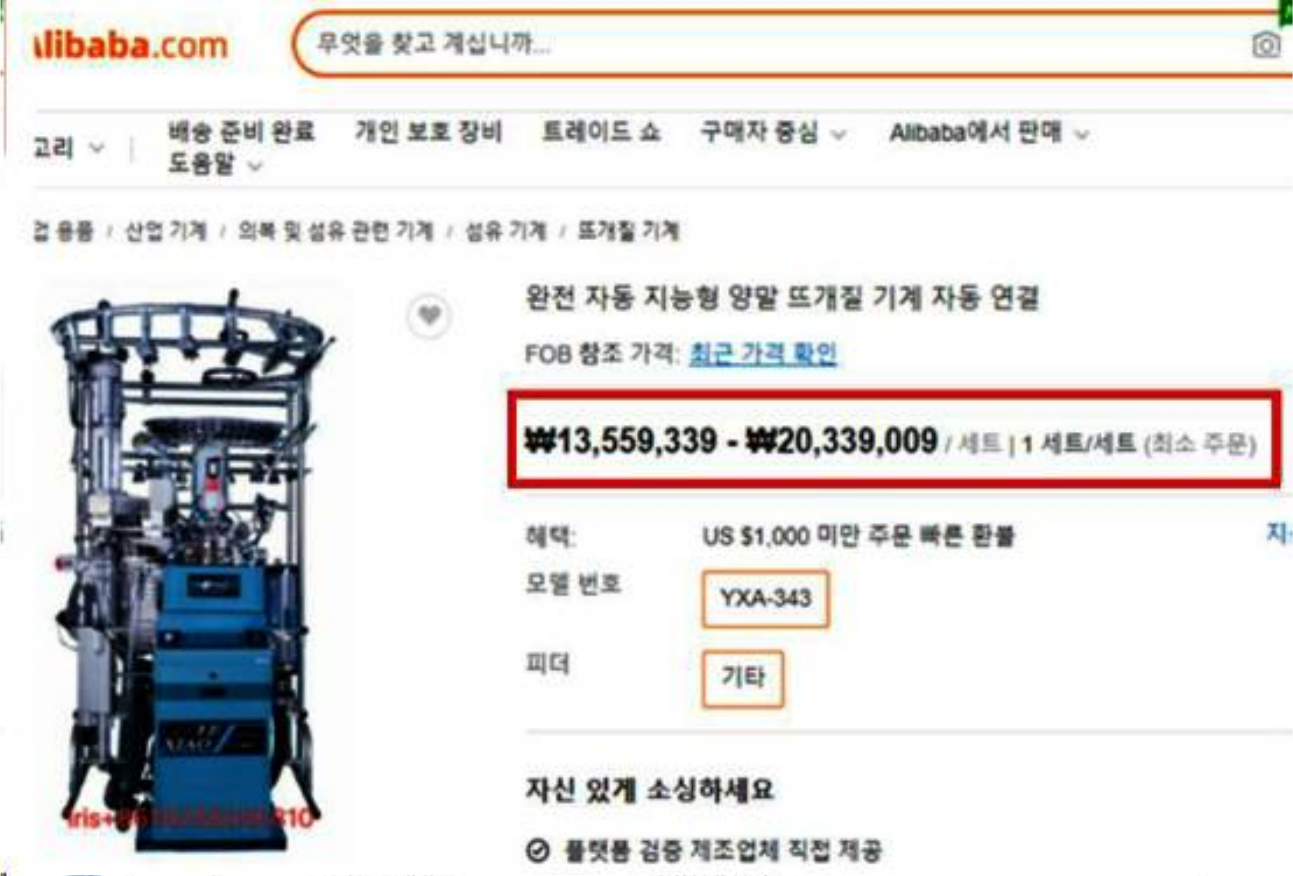
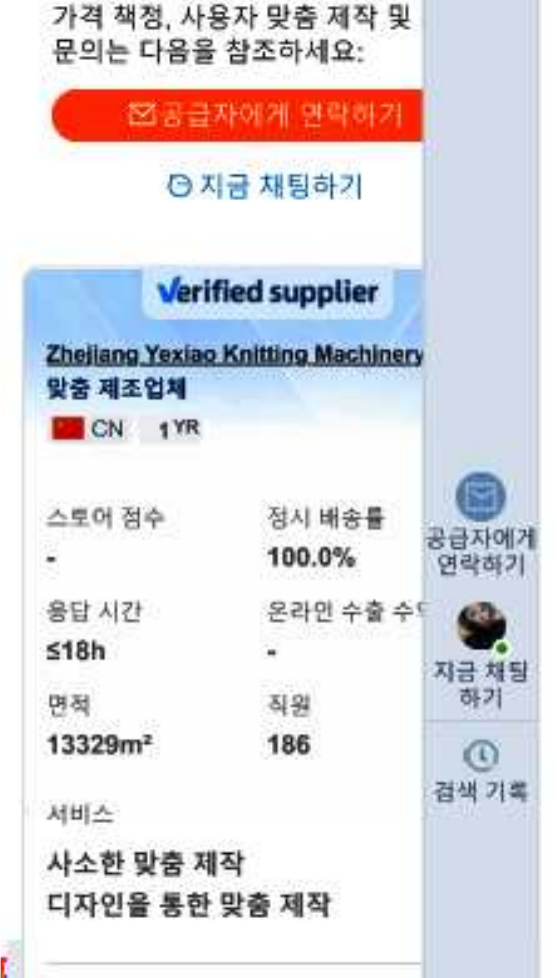
The manufacturer's own website similarly provided Korean specifications, enquiry and quotation channels, and a list of Korean delivery destinations including Seoul and Busan. Visitors from Korea could receive a Korean-language enquiry pop-up even before changing the website language. Taken together, these features showed offers aimed directly at the Korean market.

The knowledge requirement for offering use of a method
For an offer to use a patented method, Article 94(2), read with Article 2(3)(b) of the Korean Patent Act, limits the right to offers made with knowledge that use of the method would infringe the patent or exclusive licence. That requirement had to be addressed separately from whether the machines practised the claimed method.
The court relied on the claimant's recognised stitch-linking technology in the industry, the defendant's customer-review advertising comparing its machines with the claimant's, and litigation over US patents concerning the same technology. The defendant had been served with the US complaint, and a US injunction had followed. Together these circumstances supported knowledge of the infringement associated with use of the claimed method.
The injunction and its precise scope
On 22 May 2025, the Patent Court reversed the first-instance decision and granted the claims as reduced on appeal. It prohibited offers to use the method in the first patent's claim 1 and the transfer, lease or offer for transfer or lease, including display for those purposes, of the specified 3.75-inch and 3.5-inch machines.
Although completed transfers were not established, production and active sales offers, domestic circulation and the circumstances of the dispute supported a risk of future transfers or leases under Article 126. The judgment did not grant the withdrawn claims concerning actual method use, production, use or import of the devices, or destruction. Those withdrawn demands must not be presented as part of the injunction.
Evidence for cross-border online patent disputes
Preserve the whole purchase journey: language settings, currency, delivery destinations, enquiry tools, quotations and customer-targeting messages. These materials help show the territorial direction of an offer, while invoices, customs records and supply documents address the separate question of completed transactions.
The technical comparison must also track the claim's components and operating sequence. This case illustrates why the infringement analysis, the evidence of a sale, the knowledge requirement for a method offer and the scope of preventive relief should remain distinct.
The original figure labels and forms are preserved; the text explains the source material.