

1. What the appeal concerned
In its January 22, 2026 judgment in 2025Na10205, Korea’s Patent Court dismissed an appeal concerning milk packaging and a Korean product-name series meaning “in the morning + product.” The claimant sought an injunction, destruction of goods and damages over the defendant’s “milk in the morning” sign and green-and-white cartons.
On appeal, the claimant withdrew the trademark infringement claims and the confusion and dilution claims concerning the signs. The remaining issues were misappropriation of the alleged brand-family achievement and unfair competition involving the packaging. The judgment did not invalidate a trademark.
2. A descriptive expression does not confer ownership of a whole family
For juice, soy milk and similar foods, the shared expression immediately suggests a product consumed in the morning. Distinctiveness of particular registrations arose from additional distinctive elements or acquired distinctiveness; it did not automatically extend to the abstract family format.
Other food and beverage traders also used the expression. Apart from the juice product, the evidence did not establish lengthy use or substantial sales across the series; soy-milk sales had declined. The court found insufficient proof that the shared format itself was an achievement produced by substantial investment or effort.
3. Identify the packaging feature said to indicate origin
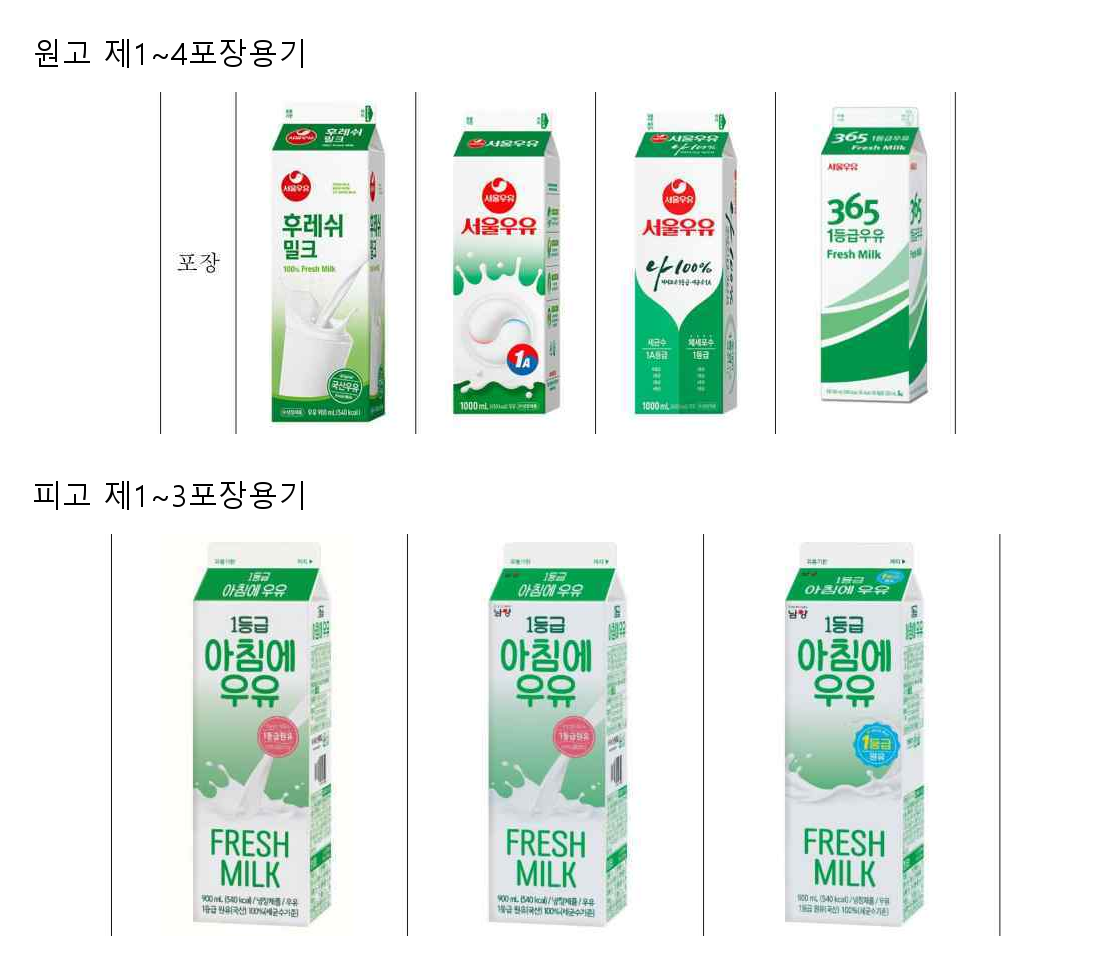
Packaging can become a product indication where consistent use or advertising makes its distinctive characteristics strongly associated with a particular source. The claimant relied on a green roof, a white upper carton and a green lower area, alternatively combined with a red circular logo.
The question was whether this claimed combination had become a widely recognized source identifier. A visual resemblance between two cartons cannot substitute for evidence establishing that threshold.
4. History and market context must match the claimed appearance
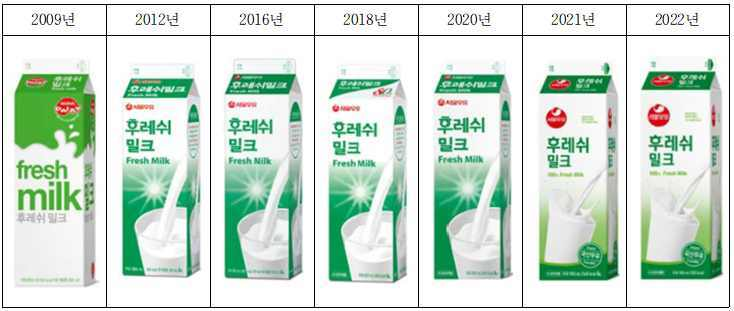
The claimant’s cartons differed in green hue, area and shape, the proportion of white, and the presence, size and position of the red logo. The main current carton had been used only since 2021, about a year before the defendant’s launch. It added a milk-crown motif, changed the red-logo presentation and removed the sun motif.
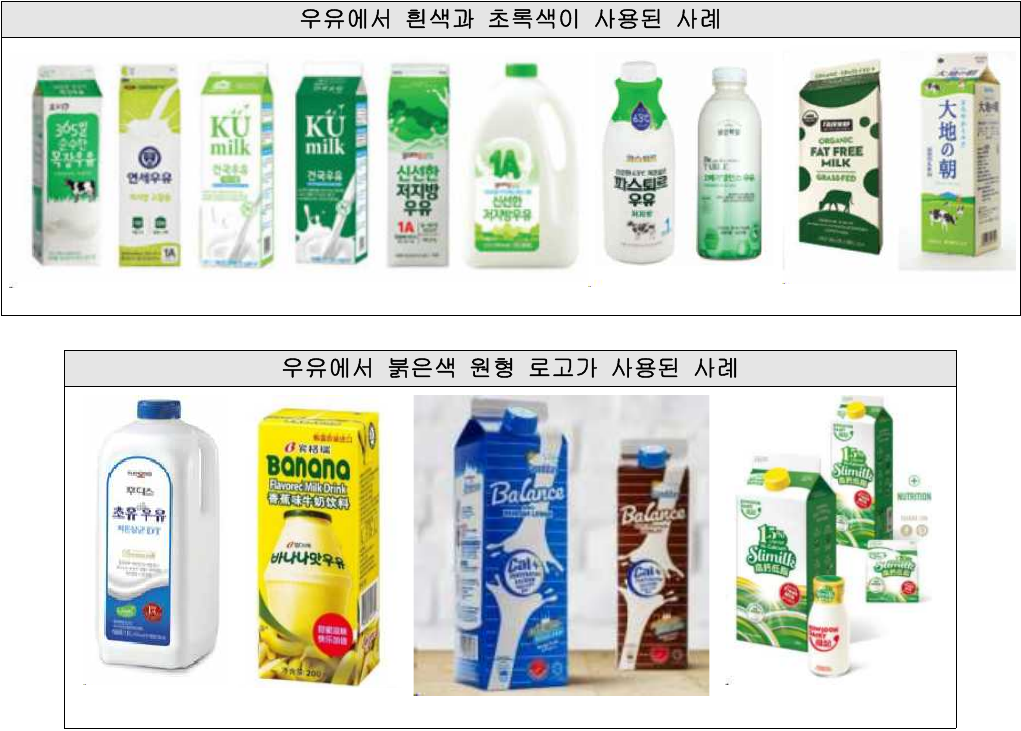
A long brand history therefore did not prove long, consistent use of this particular packaging. Green-and-white milk cartons and red circular logos were also common in the market. The evidence did not establish the claimed features as a widely recognized product indication under Article 2(1)(ga).
5. The general provision is not an automatic alternative monopoly
The packaging dilution claim also failed. The general misappropriation provision, Article 2(1)(pa), requires an identifiable achievement and an economic interest deserving protection, assessed in its commercial context.
Common elements available for public use do not become exclusive merely because confusion or dilution protection is unavailable. The court rejected the claimant’s attempt to secure protection for the asserted packaging features on that alternative basis.
6. Practical implications for evidence
Separate a specific logo, a dated packaging version and the common format of a product family when defining the protected subject matter. Link dated photographs to advertising, sales and actual use of the particular combination claimed, while examining third-party market use.
These are practical evidence considerations, not a fixed checklist or permission to copy another trader’s marks. The decision concerns the claims and evidence in this Korean dispute; similarity, recognition and legally protectable achievement remain distinct questions.
The original figure labels and forms are preserved; the text explains the source material.