
The dispute and the legal test
On 28 May 2026, the Korean Patent Court decided case 2024Heo15622 concerning floodlight-bracket design No. 1194701, filed on 26 September 2022 and registered on 6 December 2022. The claimant sought a negative scope determination. IPTAB dismissed that petition in decision 2024Dang340 of 28 October 2024, finding the articles identical and their overall aesthetic impressions similar.
Why the prior-design defense came first
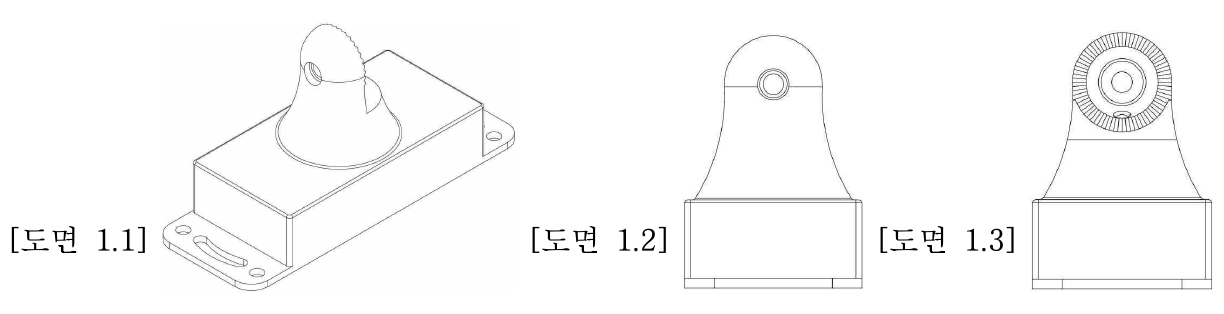
A design readily implementable by an ordinary designer from publicly known pre-filing forms or their combination can fall outside the registered design’s scope without a direct similarity comparison. The inquiry requires more than finding isolated parts in older documents: the reasons for combining them, ordinary design practice and any new aesthetic value matter. Here, the court identified prior design 2 from the actual sample photographs, not an inconsistent procurement drawing. The sample’s L-shaped transition lay roughly two-thirds down the bracket, matching the target more closely.
Four differences, assessed in context
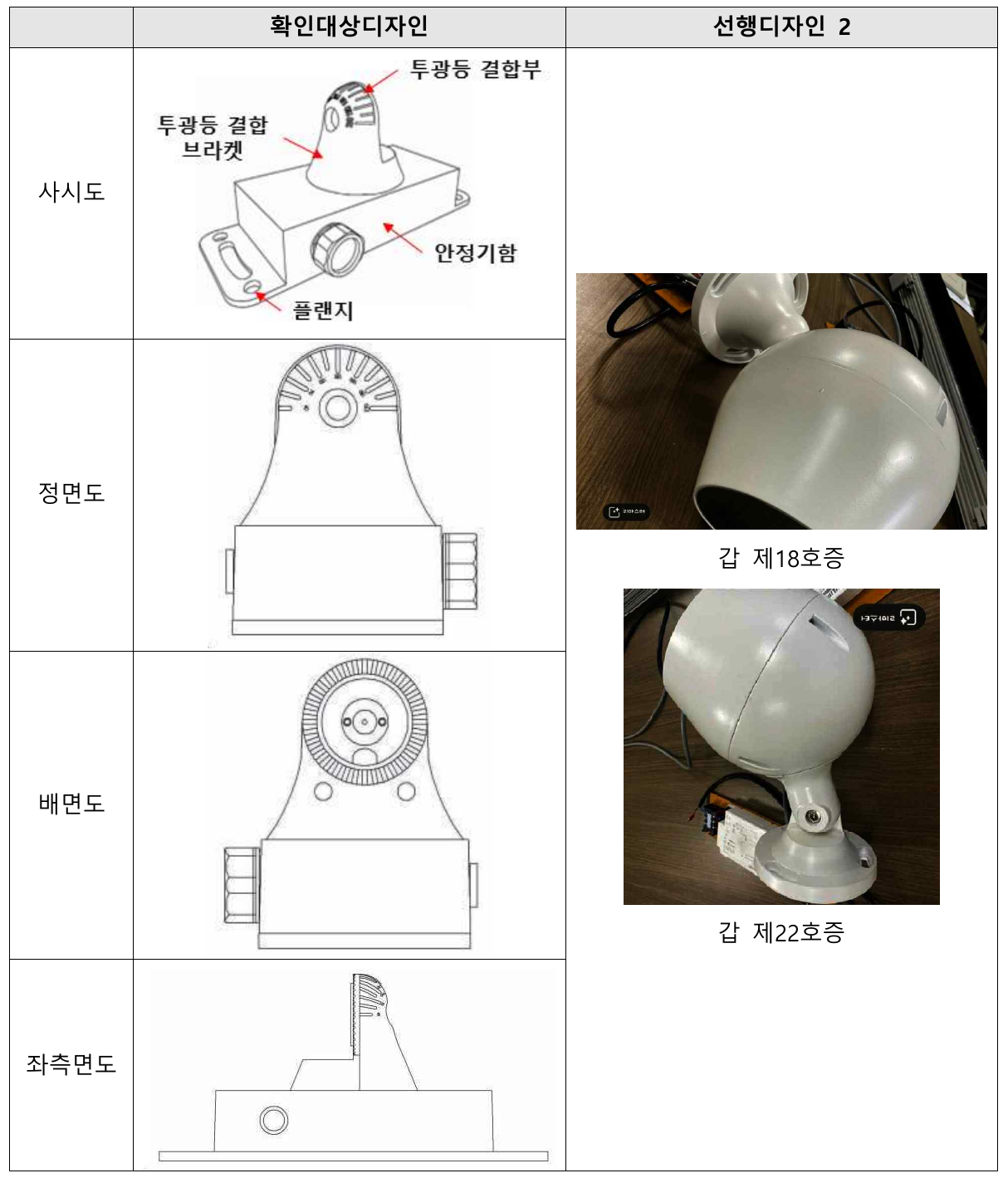
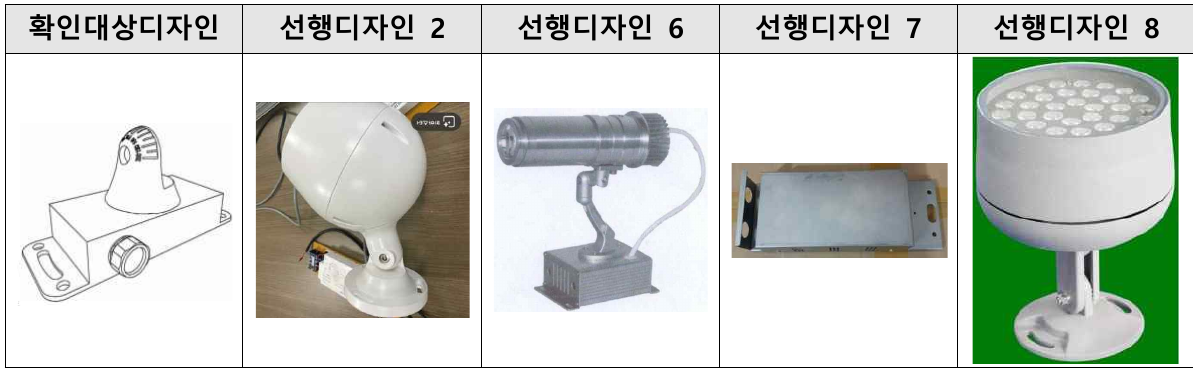
The target replaced a low cylindrical base with a rectangular ballast box and side flanges. Designs 6 and 7 disclosed the box and flanges; designs 7 and 8 supplied the circular and elongated mounting holes. Radial teeth and a small circular connection feature were ordinary ways to adjust or strengthen the joint. Thirty-degree angle markings, cable entries and plugs were functional or commercial changes without a distinct new aesthetic value. A product supplied to Incheon Airport retained the sample bracket while changing its base, supporting the feasibility of that substitution.
The result and its limits
For ease of creation, the earlier articles need not be identical: the ballast box had the same purpose, and the projector lighting was related optical equipment. The court therefore combined design 2 with designs 6–8 and ordinary modifications, found the target freely implementable, and annulled the IPTAB decision. It did not invalidate design No. 1194701 or decide all remaining disclosure, exception or similarity arguments. In practice, identify the precise prior form and explain why each change and combination was easy; rights holders should examine whether the overall appearance adds independent aesthetic value.
The original figure labels and forms are preserved; the text explains the source material.