

The registration and the challenge
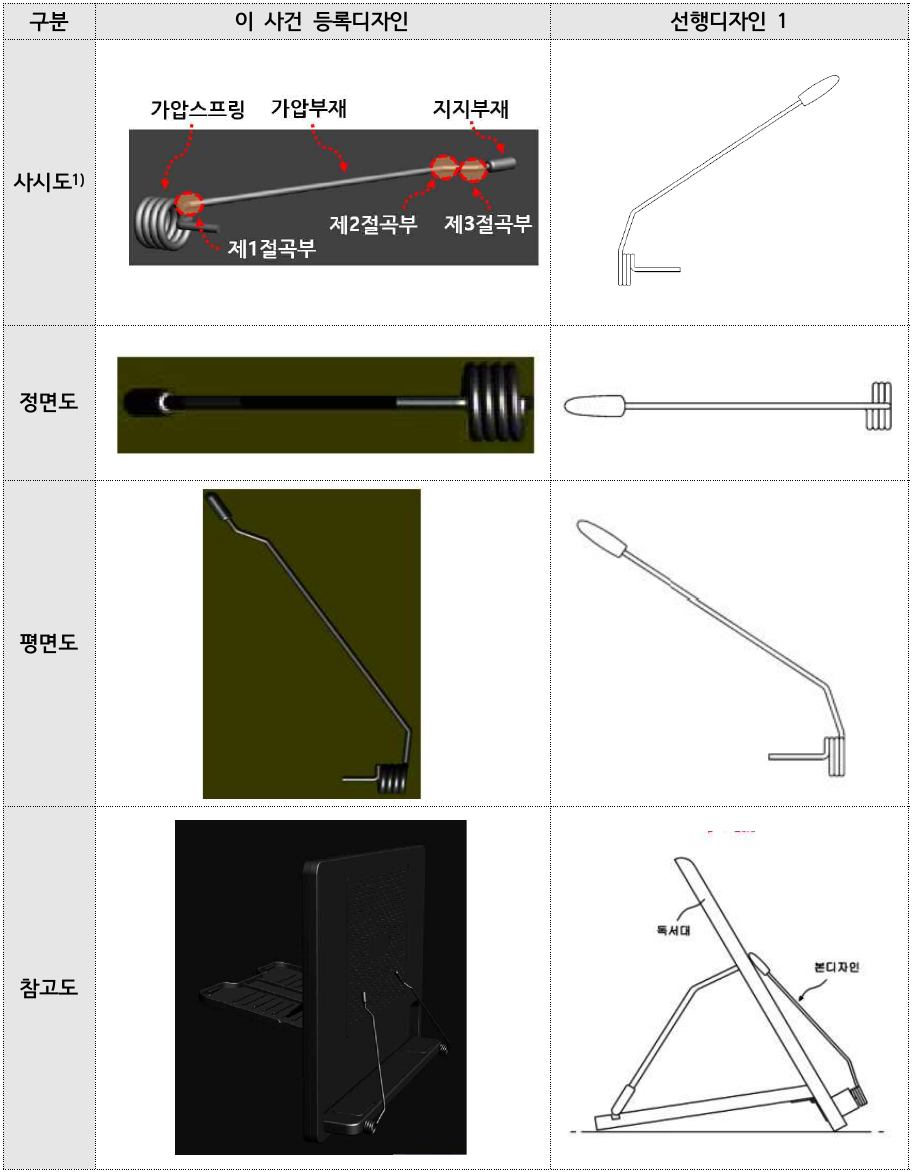
On 16 September 2026, the Korean Patent Court dismissed case 2026Heo10030, preserving invalidation of book-holder design No. 1124179, filed on 2 September 2020 and registered on 16 August 2021. Nice Trading had challenged the registration; IPTAB’s decision 2025Dang1622 of 26 November 2025 found it easily created from prior designs. The article consists of a slender pressure member, a spring at one end and a support touching the book at the other.
Visible changes and ease of creation
Article 33(2) of Korea’s Design Protection Act asks whether an ordinary designer could readily create the design from known forms. A difference alone is insufficient; ordinary functional variations and combinations may add no distinct aesthetic value. The court considered relationships between the products, fields and visual features, not merely a collection of matching parts. Three spring turns rather than two, and a different inclination of the pressure member, were choices linked to required elasticity and manufacturing or use needs, with limited impact on overall appearance.
Bends, materials and a capsule-shaped support
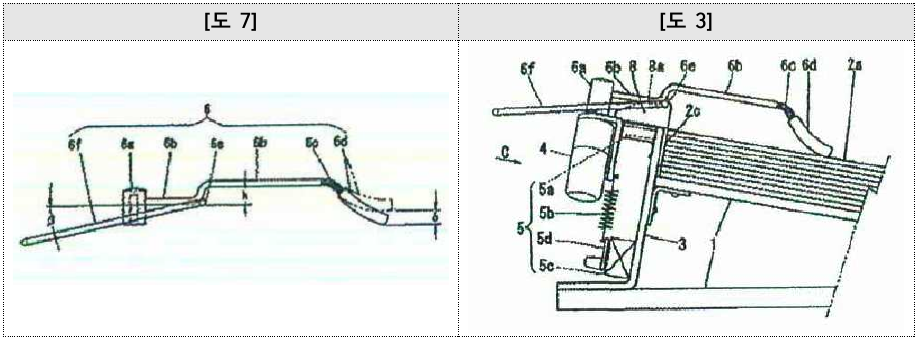
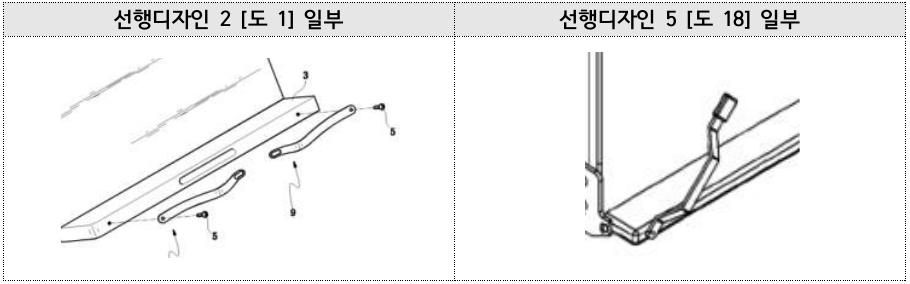
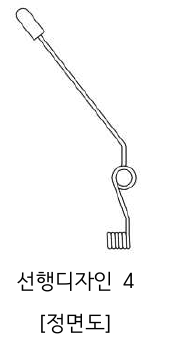
The registered design’s bends formed a roughly trapezoidal lower shape. Prior designs 2, 3 or 5 supplied relevant bends, including a page-turner’s book-pressing arm, spring and rubber piece. A flat strip instead of wire did not bar reference to its shape: book visibility and elasticity could guide that choice. Bend positions and angles were ordinary adjustments. Prior design 4, a pressure member for a reading stand, disclosed the elongated capsule-shaped tip replacing design 1’s swollen rice-grain shape. Its simplicity and shared function made the substitution straightforward.
What the decision establishes
The court found that design 1 could be modified using the bends of designs 2, 3 or 5 and the support of design 4, and upheld invalidation. This was a validity decision, not a ruling on infringement or damages. A design review should explain the aesthetic importance of each change, the silhouette, proportions and connections of the whole, and why combining related references would be difficult. Patent and utility-model drawings can also disclose relevant appearances. The result does not mean that different materials or unrelated documents may always be combined.
The original figure labels and forms are preserved; the text explains the source material.