
The claim and the scope-confirmation dispute
On 23 July 2026, Korea’s Patent Court dismissed the challenge in case 2025Heo10628. The dispute concerned claim 1 of patent 2180608, filed on 7 May 2020 and granted on 12 November 2020. A request for negative confirmation of patent scope, filed on 10 January 2025, had been rejected by the Intellectual Property Trial and Appeal Board on 7 November 2025 in case 2025Dang100. The court left that result intact: the specified comparison device fell within the claim’s scope by equivalence.
What the machine changed in the production process
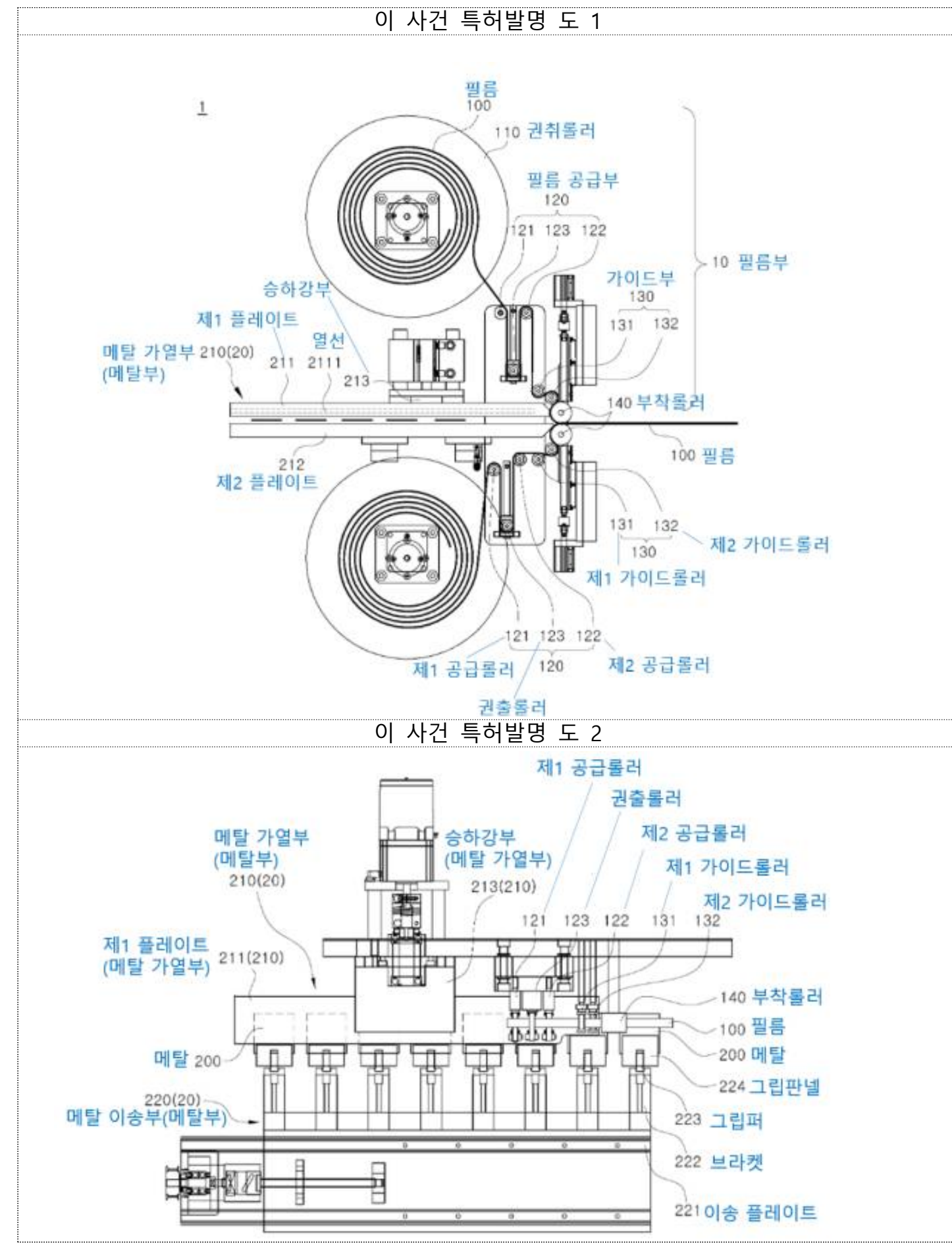
The invention heats pre-cut metal for secondary-battery lead tabs and feeds it with film from a roll through paired attachment rollers. The rollers apply pressure to weld the film continuously. Coordinated heating and gripping movements avoid temporarily attaching film in advance and reduce the need for alignment and subsequent cutting associated with the cited prior art. The technical contribution therefore lay in the way the operations worked together, rather than in an isolated heater or gripper.
A lower-plate heater was not deliberately surrendered
The claim specified a heating wire in the upper plate but did not determine whether the lower plate also contained one. The description expressly allowed a lower-plate heater, and that disclosure remained through prosecution. The applicant’s amendment and arguments distinguished the coordinated heating and transfer arrangement. They did not establish an intention to exclude lower-plate heating. The mere absence of that feature from the claim could not support deliberate exclusion without examining the full prosecution record.
Two shorter transfer units instead of one long plate
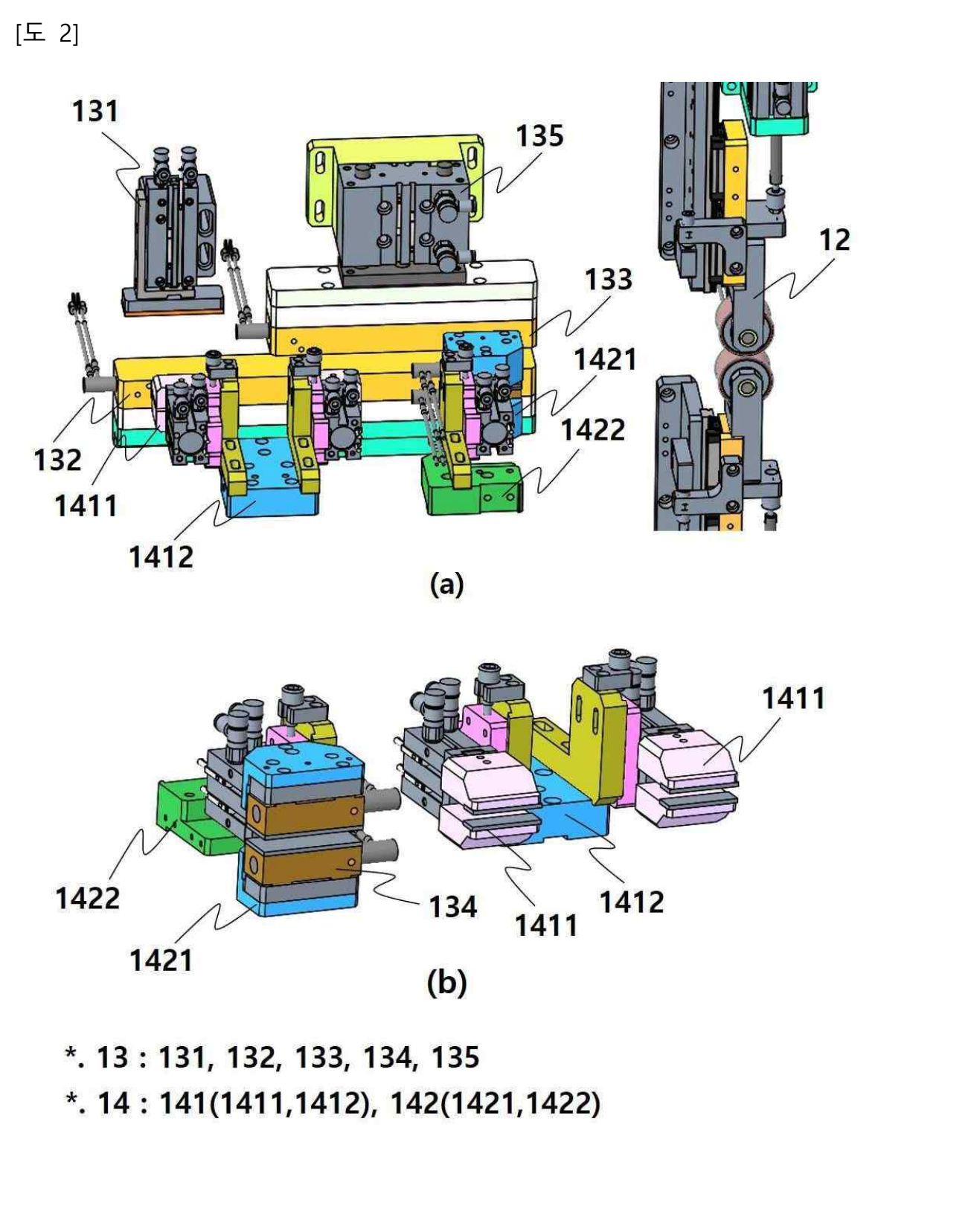
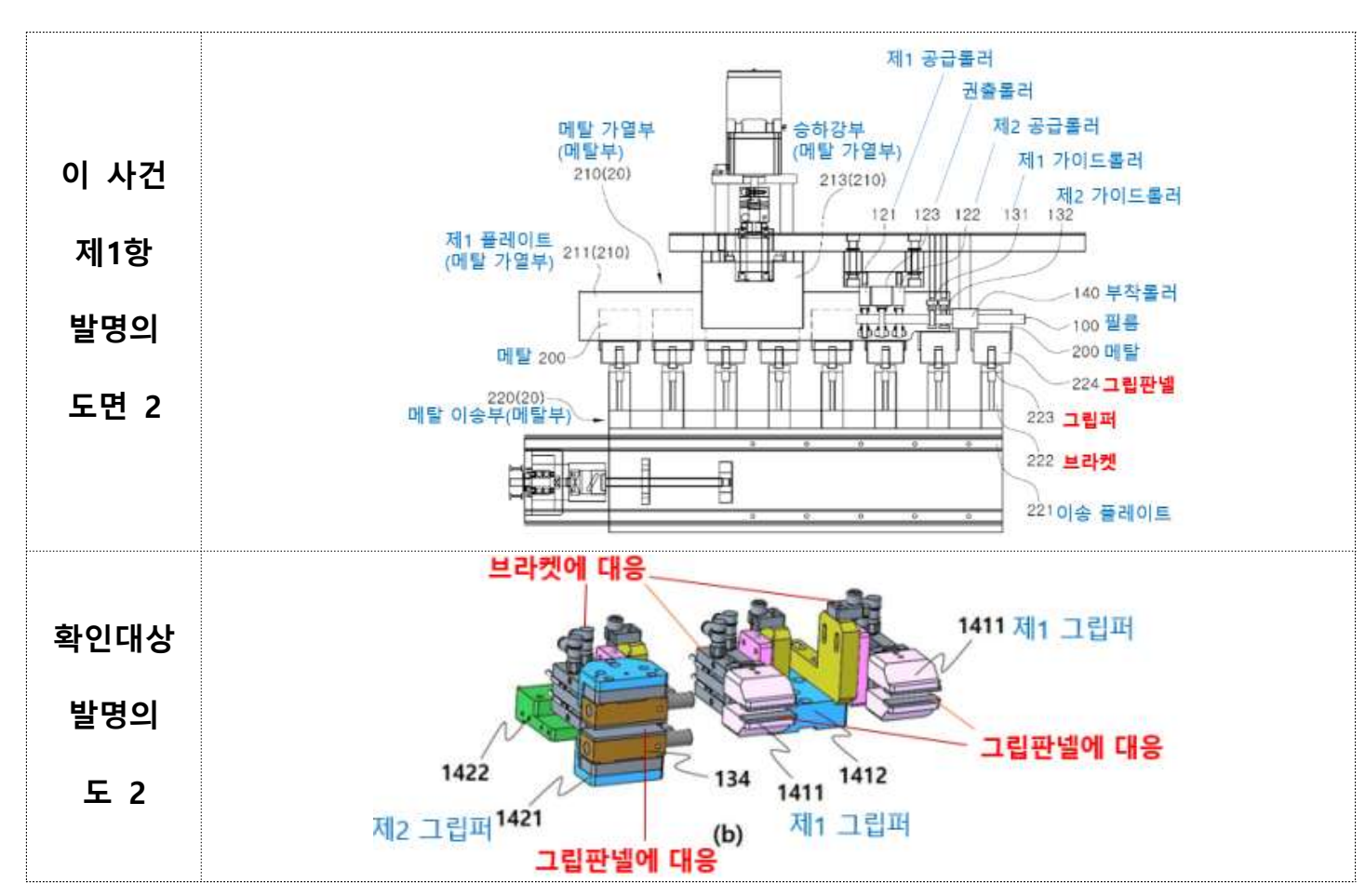
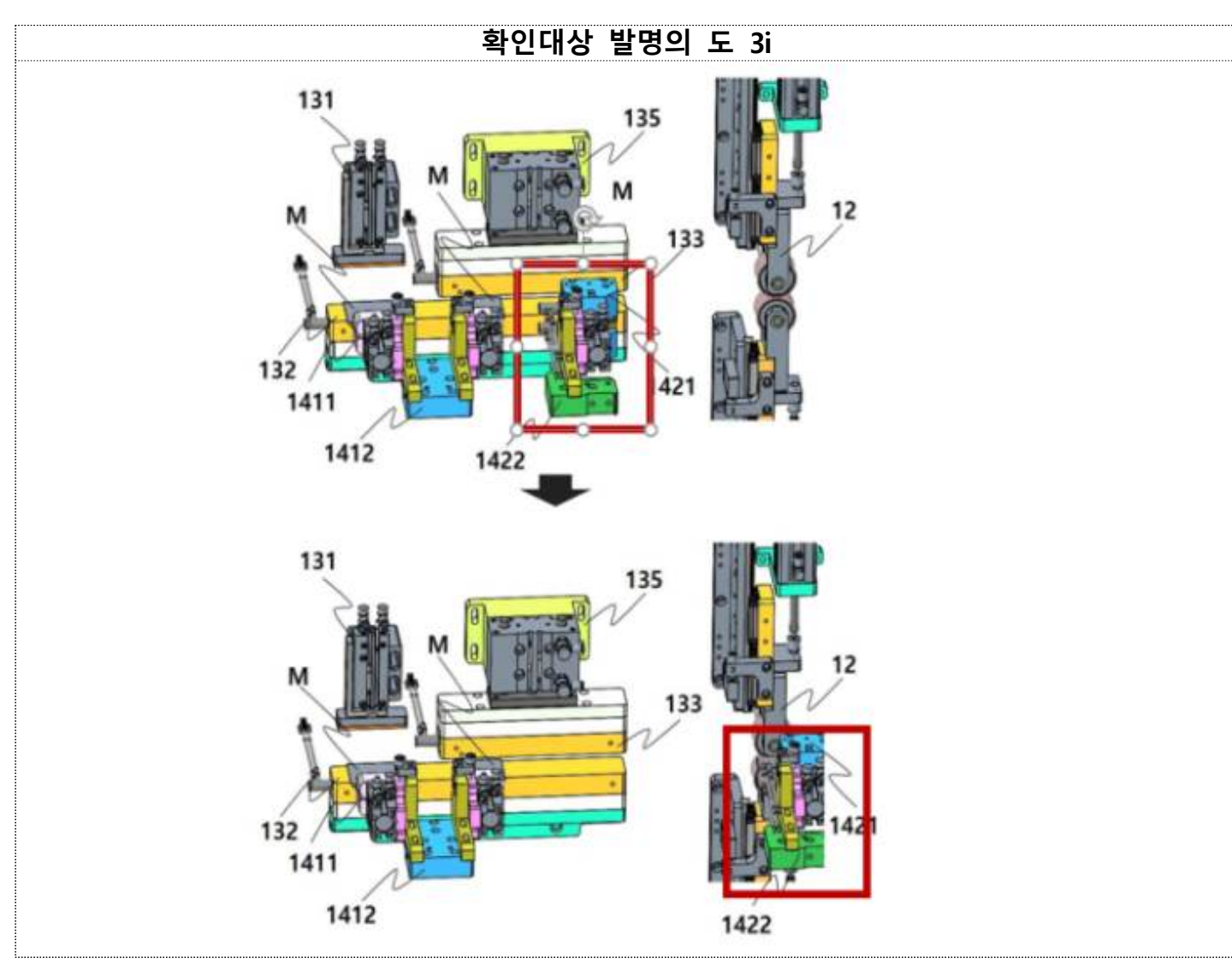
The claimed transfer plate extended at least the distance from the heating unit to the attachment rollers. The comparison device divided the transfer function between two shorter mechanisms. That difference prevented a finding of literal identity, but did not end the inquiry. Both arrangements embodied the same problem-solving principle and substantially the same effects: moving heated, pre-cut metal into the rollers for continuous film welding without preliminary film attachment. Dividing the drive according to available space, equipment specifications or cycle requirements was an easy substitution for a skilled person.
Additional heaters and incidental improvements
The asserted heat-blocking advantage was difficult to reconcile with the heater installed in the second gripper. The comparison device’s extra heaters, clamping and movable lower plate still used the equivalent combination. Gradual heating was also possible in the patented arrangement. Reduced surface friction or damage did not change the central technical effect; such incidental advantages did not establish a different problem-solving principle or a difficult substitution.
Implications for a design-around review
A reliable comparison needs the granted claim, description, drawings, amendments and written arguments, followed by an element-by-element assessment of the proposed device. Changing the number of components or adding an improvement does not by itself remove a device from patent scope. The question is whether the technical contribution and operative combination remain equivalent, and whether prosecution actually surrendered the alternative. This judgment concerns the specified device and claim 1 in a scope-confirmation proceeding; it is not a damages award or a general determination of the patent’s validity.
The original figure labels and forms are preserved; the text explains the facts and the court’s reasoning.