

The precise scope of the decision
On 23 July 2026, the Korean Patent Court rejected the revocation claims in case 2025Heo10266, leaving the IPTAB’s invalidity decision in place. The registration at issue was No. 1500633 for the Hangul word pronounced “Griptok”, filed on 3 July 2018 and registered on 16 July 2019. An earlier English-language GripTok mark was a separate registration.
The decision concerned five designated goods: mobile-phone stands, smartphone mounts, smartphone supports, smartphone holders and mobile-phone holders. It should not be extended to every registered good, such as cases or protective films, or described as invalidating the separate English mark. The invalidity petition was filed on 22 November 2023, entered in the register on 27 November, and decided on 29 November 2024 as case 2023Dang3717.
A product name or an indication of origin?
The issue was whether the sign had become the ordinary name of the product rather than an indication of commercial origin. Even an invented expression combining “grip” with a Korean sound element can later become generic. The assessment requires care because both the owner’s accumulated goodwill and the public interest in ordinary product language are involved.
The court applied the Korean Trademark Act’s provisions on subsequent loss of distinctiveness, including Articles 117(1)(6) and 33(1)(1). It did not need to establish that the mark was unregistrable from the outset or decide every other asserted invalidity ground.
What the marketplace evidence showed
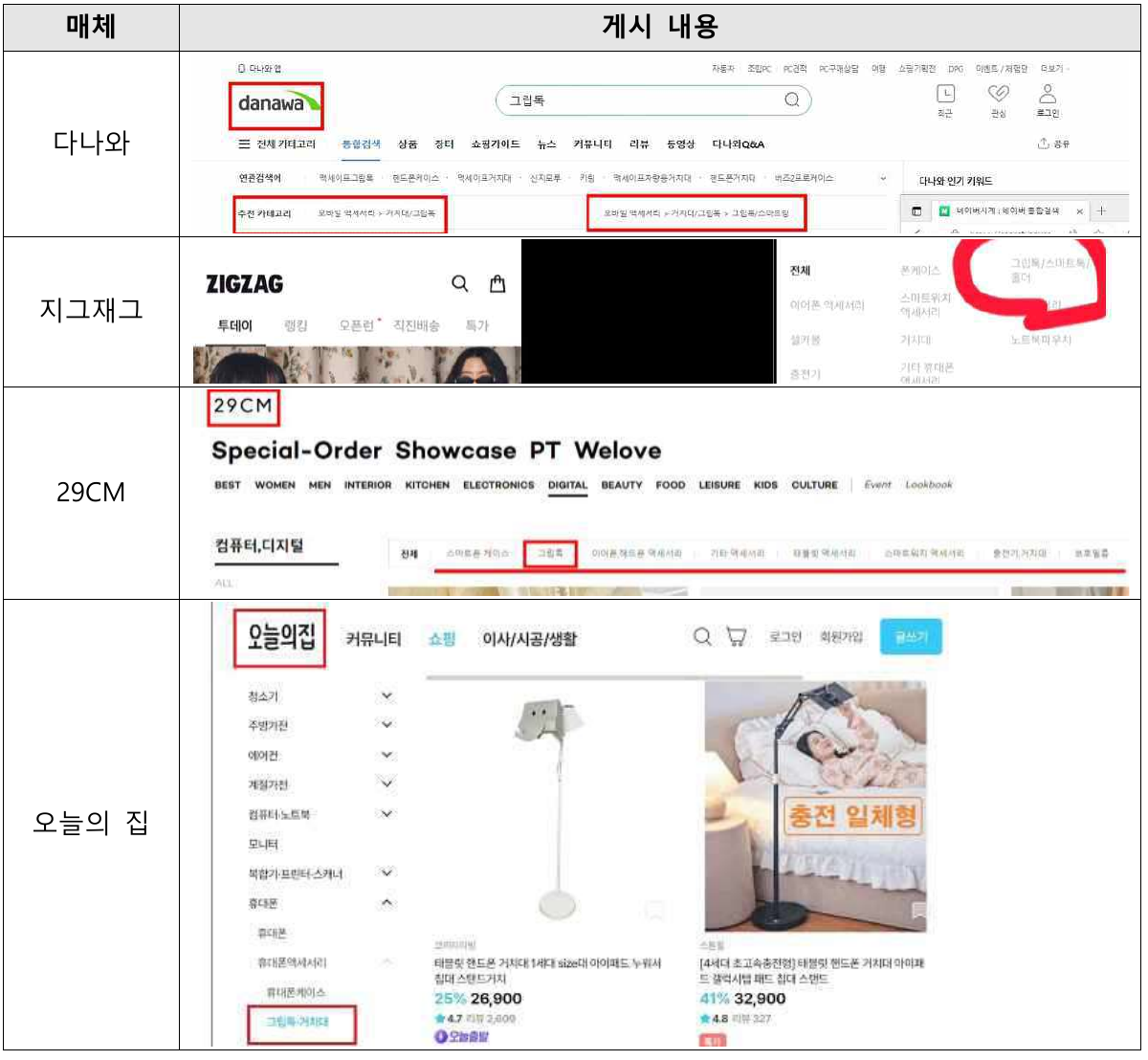
Third-party sellers and consumers used the Hangul term for products sold under names such as SMARTTOK, SMARTPOP, smart grip, Mobile Phone Stand and FingerTok. Shopping services treated it as a product category rather than solely a brand. News reports and public-sector usage pointed in the same direction.
Around 1,649 public documents from 2019 to late 2023 concerned giveaways, promotional items or making activities run by institutions, municipalities and schools. In context, the term described the accessory attached to the back of a phone for holding or support, rather than identifying one supplier. A March 2024 online survey with about 160,000 responses, 95% choosing the term, corroborated the broader evidence of established usage; its timing must not be confused with the earlier petition.
Packaging and collaborations also mattered
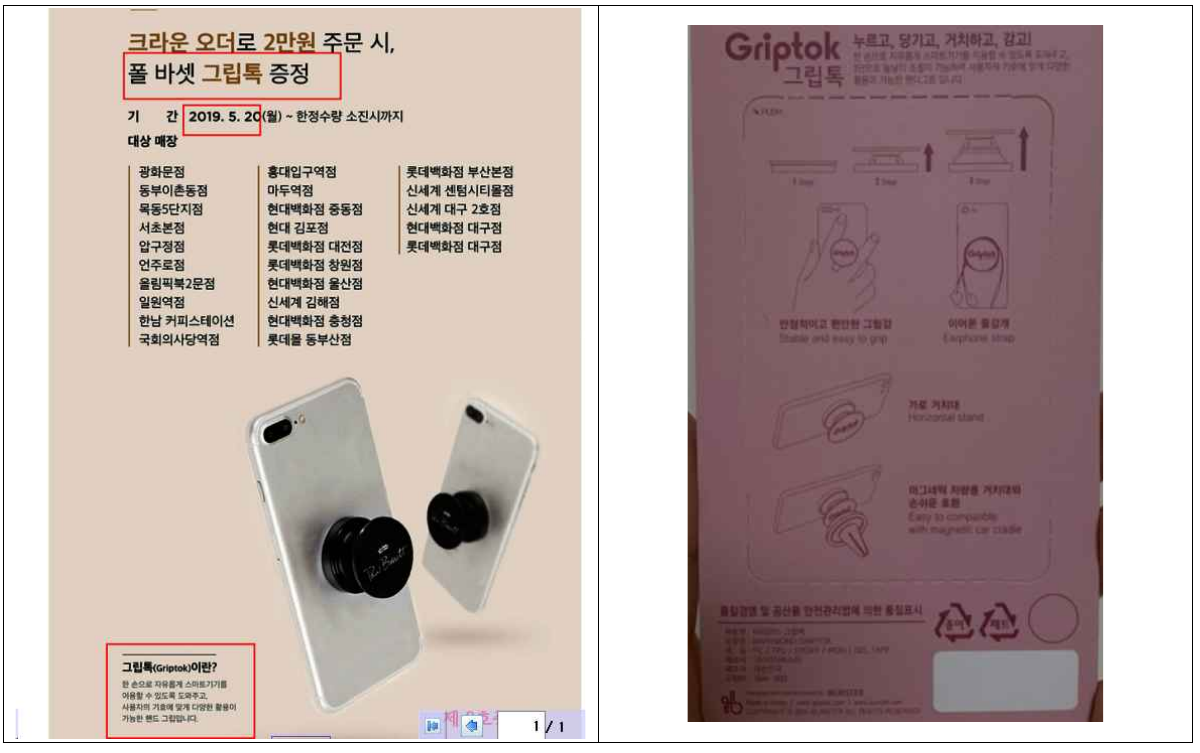
Materials from the owner’s OEM business in 2016–2019 used the term as a product or model name. Collaboration labels pairing a customer’s brand with “Griptok”, and packaging identifying only the customer as manufacturer in some instances, did not consistently communicate an independent brand origin.
One contractual example used the term to name the goods without provisions establishing trademark use. The point was the cumulative commercial presentation, not a rule that a product-name field or an OEM arrangement alone automatically makes a mark generic.
Why enforcement and alternative terms did not resolve the problem
The owner relied on oppositions, information submissions, registered-mark symbols and warning activity. Settlements included one in 2019 and five in 2020, while most identified settlements occurred from November 2023 to February 2024, after generic usage had spread. Those efforts did not displace the evidence of actual public perception.
Proposed alternatives such as stands or holders were broad functional descriptions, not necessarily the words used in the relevant market. The court also rejected a fixed assumption that genericness requires ten years or more: online and social-media use can spread quickly. Extensive recognition and recognition as a brand are different questions.
Managing a mark before usage shifts
As a practical response, businesses can distinguish a brand from the generic product descriptor in packaging, partner communications and OEM terms, while checking how resellers and users actually refer to the product. A high mention count alone does not establish source-identifying use.
These are practice observations drawn from the case, not additional orders made by the court. The judgment does not mean that every popular mark becomes generic, nor does the material establish any later appeal outcome. The original figures preserve the evidence discussed in the Korean proceeding.
The original figure labels and forms are preserved; the text explains the facts and the court’s reasoning.