

A replacement supplier sought registration
On 15 January 2026, the Korean Supreme Court dismissed the applicant’s appeals in case 2022Hu10401, leaving intact the finding that the roller design was invalid for lack of entitlement. The appeal arose from Patent Court decision 2021Heo5358 of 10 June 2022. The issue was who was entitled to seek registration, rather than simply whether two products looked alike.
In early 2018, a customer invited proposals for equipment to apply protective film to mobile phones. A supplier that was not selected as a joint development partner nevertheless developed its own equipment, using materials and feedback from the customer. By December 2018 it had supplied several three-dimensional rollers adapted to the edges of phone displays.
Measuring and manufacturing did not establish authorship
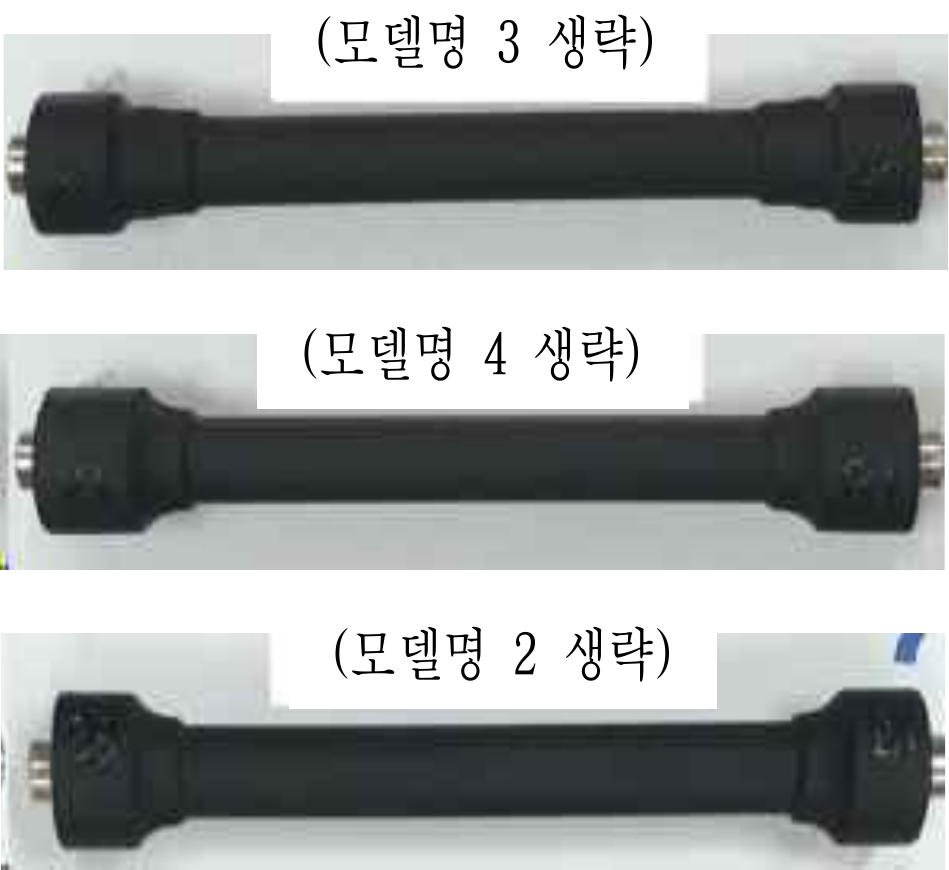
The earlier rollers had a dumbbell-like overall shape, with two stepped increases in thickness toward each end. Following requests for quality improvements, the customer handed the rollers to the applicant around February 2019. The applicant measured them, completed drawings and manufactured rollers around May 2019. It filed on 12 November 2019 and obtained registration on 24 February 2020.
Under the Korean Design Protection Act applicable to this dispute, the creator or a successor in title has the right to obtain registration. Making the final drawings or manufacturing the product does not, by itself, establish a substantive contribution to the appearance that gives the design its aesthetic impression.
The changes left the aesthetic impression intact
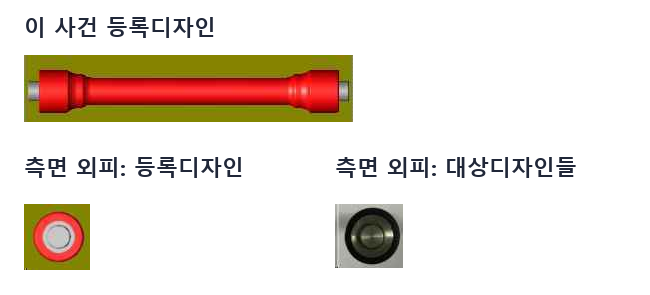
The registered design had a gentler slope and greater width between its first and second steps, and a slightly thicker outer covering at the side. The Court considered those differences rather than treating the designs as literally identical. But comparable variations in slope and width already existed among the earlier rollers, while covering thickness could depend on the material surrounding the metal shaft.
These were routine modifications available to an ordinary designer. The dumbbell form and two-step configuration at each end remained apparent, and the changes did not affect the overall aesthetic impression. The earlier designs had emerged from discussions between employees of the original supplier and the customer; the later manufacturer was not their creator.
A production order is not an assignment of entitlement
There was also no evidence that the applicant had acquired the right to registration from the creators or their successors. Without substantive creative input or an established transfer of entitlement, the application had been filed by a person lacking the relevant right. The Court upheld invalidity although it considered parts of the lower court’s explanation inappropriate.
Changing suppliers therefore requires more than transferring a physical sample. The customer’s possession of a roller does not establish that it can dispose of the associated design rights, and payment for manufacturing does not automatically transfer the right to seek registration.
Prior disclosure was a separate question
The applicant also disputed whether the earlier designs had been publicly used. The Court held that lack of entitlement did not depend on whether those designs had been known or publicly worked before filing. Entitlement and prior disclosure address different legal questions.
Challenging the evidence of disclosure could not cure the absence of creative contribution or succession in title. The result should not be reduced to a general rule that any similarity between products invalidates a design.
Document both the design work and the chain of title
Keep dated drawings, prototypes, change requests and review comments showing who conceived each important visual feature and why later changes were made. A routine dimensional adjustment and a substantive proposal for a new appearance call for different assessments; these are illustrative situations, not additional findings in this case.
Manufacturing agreements should address production, use of drawings, ownership and assignment of design rights, and the identity of the applicant. Before filing, assess the effect of the changes on aesthetic impression and separately verify the chain of entitlement. Evidence of having altered a product is not, on its own, evidence of a right to register its design.
The original figure labels and forms are preserved; the text explains the facts and the court’s reasoning.