
A plant-growing panel and a partial damages claim
On 9 July 2026, the Korean Patent Court dismissed the appeals in case 2025Na10252 concerning a panel rolled into an open-ended cylindrical container for growing plants, including straight-rooted liquorice. A university’s industry–academic cooperation foundation had acquired the professor’s design, applied for protection on 20 August 2013 and obtained registration No. 0749244 on 19 June 2014.
The foundation sought KRW 40 million as a partial claim for sales between 10 April 2018 and 20 June 2023, relying on a previous technology-licensing arrangement in its royalty-based calculation. That figure was the amount claimed, not damages awarded. The first-instance claim failed, and the professor participated on the foundation’s side in the appeal.
Shared features did not determine the overall impression
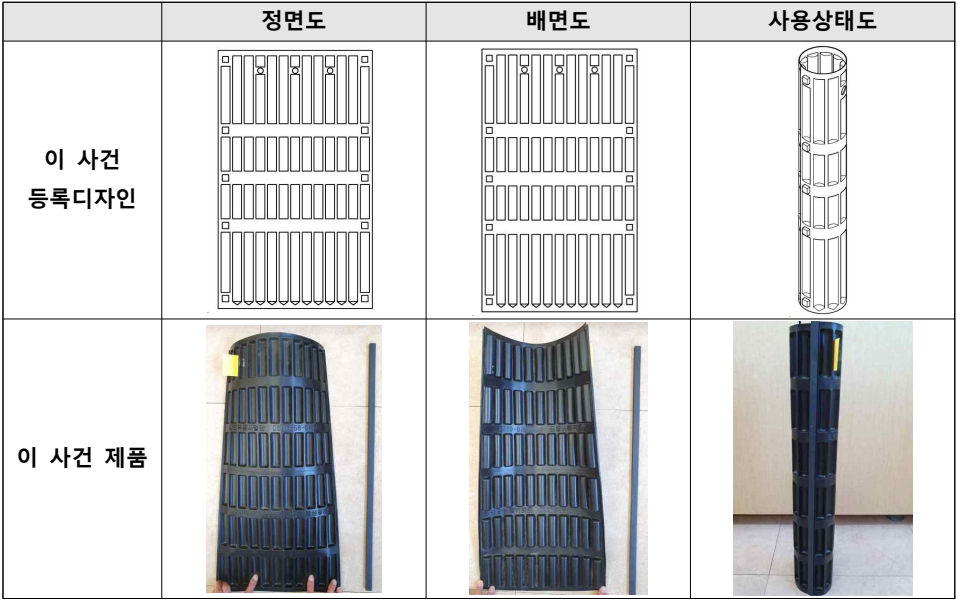
Both products used thin rectangular synthetic-resin panels with regularly arranged semicylindrical corrugations. The enquiry nevertheless concerned the designs as a whole. Counting common functional features was not enough to establish similarity.
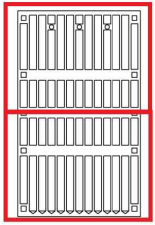
The registered design had 13 columns and four tiers of corrugations, with longer upper and lower tiers framing two shorter middle tiers. The accused product had 11 columns and six tiers of equal length. It therefore lacked the characteristic vertical symmetry and arrangement that shaped the registered design’s visual impression.
The unassembled state remained relevant
The registered panel had three upper through-holes and rectangular connectors at its ends. The accused panel lacked those features and used separate fasteners; it also had a central horizontal feature absent from the registration. The court contrasted the registered design’s more articulated appearance with the simpler appearance of the accused product.
Customers received and assembled the panels themselves, so the connectors were visible during sale and assembly. A feature cannot simply be removed from the comparison because it serves a function or becomes less visible after assembly. The evidence must reflect how the product is actually supplied and encountered by its customers.
Intervention did not establish infringement
The professor had a legal interest supporting intervention. The university’s employee-invention compensation rules extended to designs, and the records supported the assignment and reporting arrangements. Recovery of infringement damages could affect the compensation payable to the creator.
That interest justified participation but did not change the merits. The court found the designs neither identical nor similar and dismissed the appeals. The professor’s potential entitlement to compensation and the existence of infringement were separate questions.
An intervenor could not introduce a different claim
The professor alone pursued the appeal and sought to add a damages claim based on unfair competition. As an assisting intervenor, the professor could not change the subject matter of the principal party’s litigation in that way. The procedural limitation should not be described as a merits ruling rejecting every possible unfair-competition argument.
For practice, preserve photographs of the unassembled product, packaging, instructions and the actual sales presentation, and explain how the features combine into an overall impression. University disputes also call for early review of assignments and compensation rules. IPLEX assesses both the substantive comparison and the procedural position before formulating a design-enforcement strategy.
The original figure labels and forms are preserved; the text explains the facts and the court’s reasoning.