
A scope dispute, not a validity challenge
The Korean Supreme Court’s decision of 23 January 2025 concerned negative scope-confirmation proceedings for a food-storage container. Both the Board and the Patent Court had found the compared design within the registered design’s scope. The Supreme Court reversed Patent Court decision 2024허12128 of 29 August 2024 and remanded. The issue was the relationship between two designs, not cancellation of the registration itself.
The shared features and the prior designs
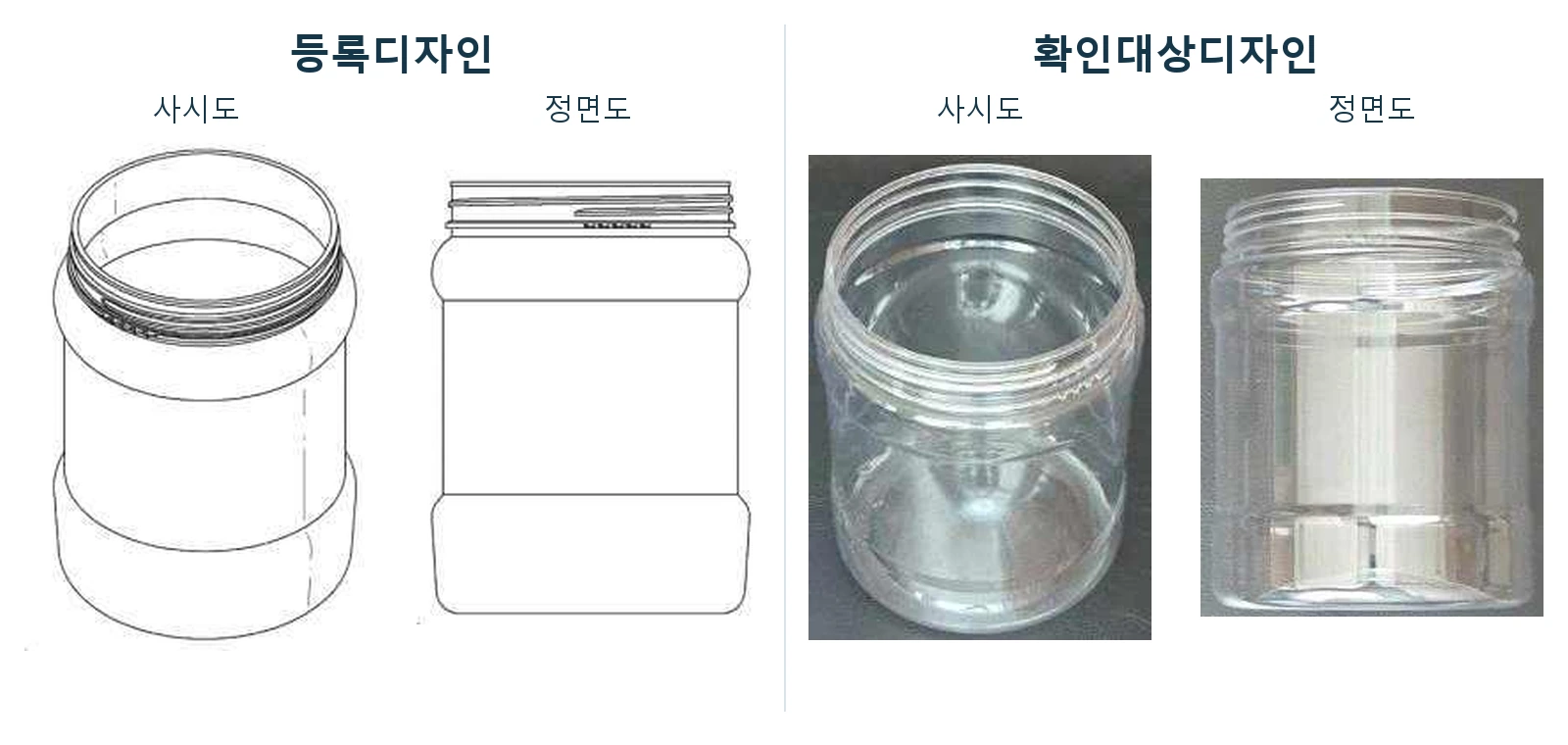
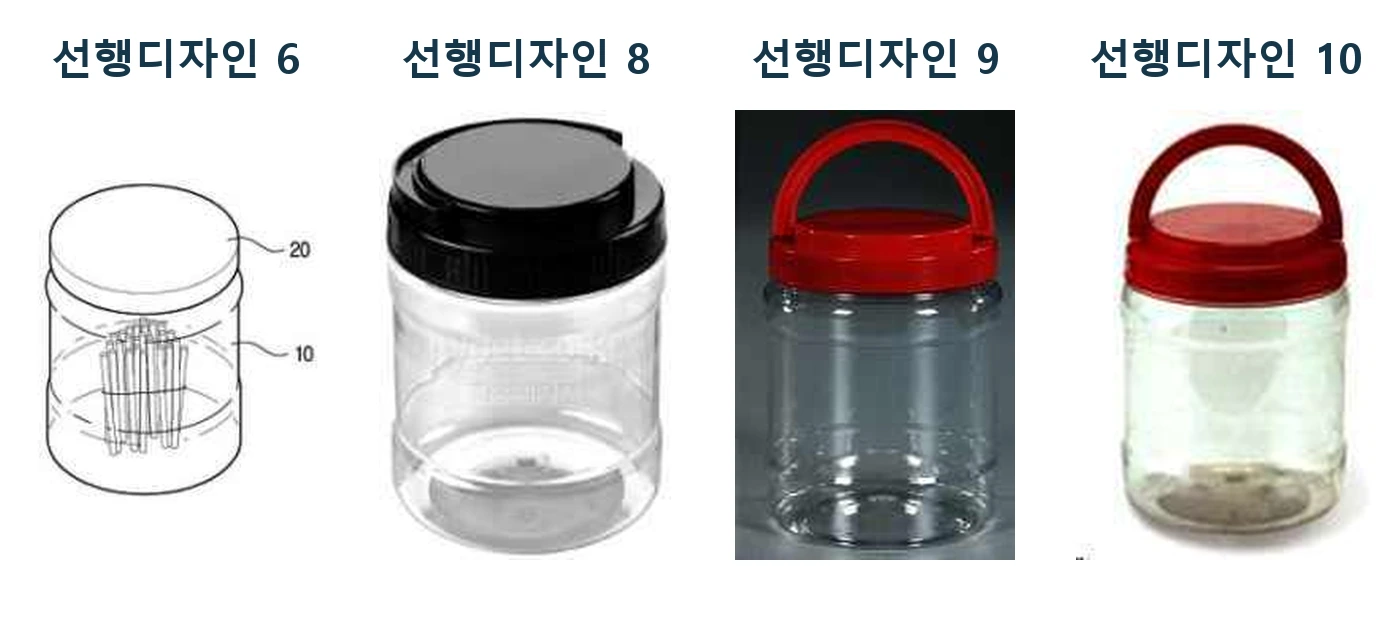
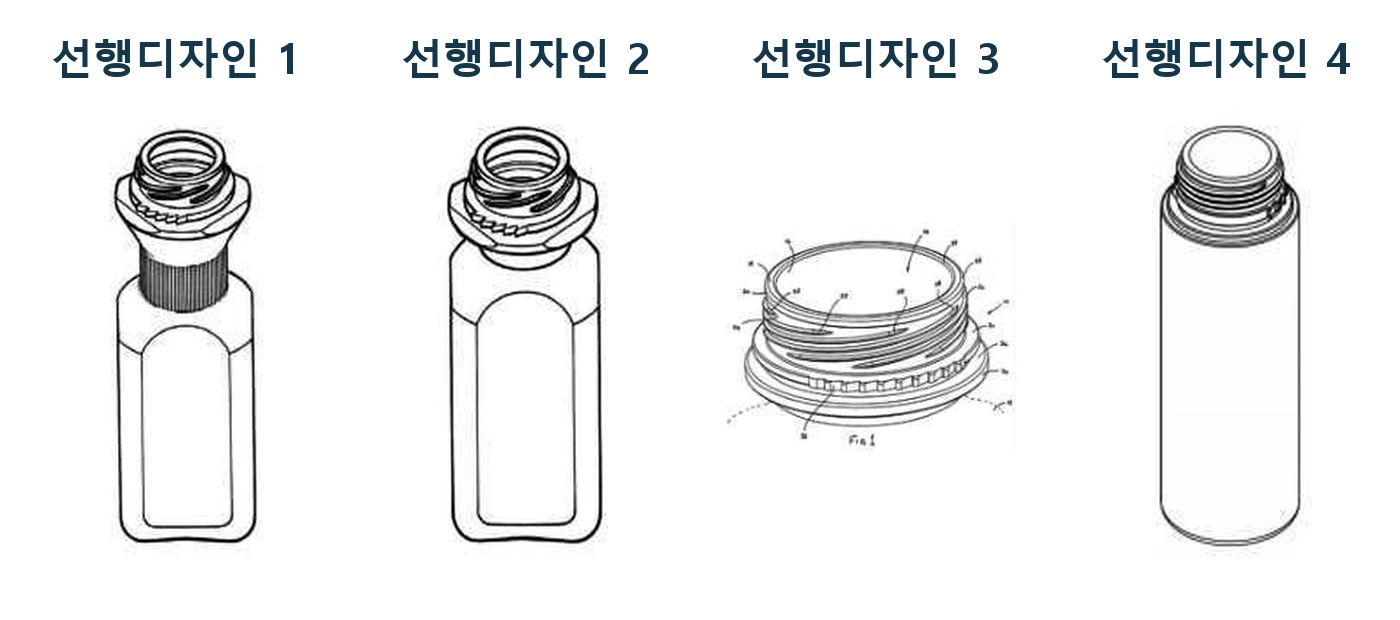
Both containers were cylindrical, with upper and lower projecting portions and a recessed vertical middle wall. Their rounded edges and relative section lengths were similar. But those features were already present in prior designs 6, 8, 9 and 10. Teeth arranged below part of the mouth were also known from prior designs 1 to 4. Registration of a design incorporating known forms does not extend an exclusive right to those known features themselves. Their similarity therefore deserved less weight.
The differences that changed the overall impression
The registered design had five triangular teeth, whereas the compared design had four trapezoidal teeth. The registered body’s upper projection was rounded and its lower projection narrowed downwards; the compared design’s projecting sections were vertical. The registered bottom was flat, while the centre of the compared bottom rose in a rounded form. The court found that these differences affected the overall aesthetic impression. Food containers were also commonplace articles with extensive design variation and structural constraints, supporting a relatively narrow range of similarity.
The Supreme Court’s conclusion
The compared design was neither identical nor similar to the registered design and therefore fell outside its scope. The lower court had misapplied the principles of design similarity. Reversal and remand did not invalidate the registration, and the reasoning does not mean that any isolated minor difference will always avoid a registered design. The significance of the differences followed from the known elements, the nature of the article and the overall appearance.
Building the comparison
A useful design review places the two products alongside relevant prior designs, identifies which common features were already known and explains the visual contribution of the remaining differences. Mouth details, teeth, body contours and the base should be examined together. When preparing a filing, ensure that the drawings show the features intended to distinguish the design in an established product field.
The comparison figures retain the forms and labels shown in the Korean source.