
2008 Heo 10481 Trademark refusal
[Legal]
Trademark similarity is assessed through overall appearance, pronunciation and concept and the likelihood of source confusion. Similarity in one element is not decisive where the overall impression distinguishes the marks.
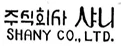
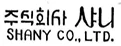
Earlier registered Trademark 1 | The Earlier registered Trademark 2 | The Earlier registered Trademark 3 | Applied-for mark |
 |  |  |  |
[Similarity of the marks]
1. Appearance and concept
SANY is a word mark in capital letters. Earlier marks 1 and 2 use Shany and Korean company wording, while mark 3 combines Sani with a graphic. Their appearances differ. As coined terms, the words do not permit a meaningful conceptual comparison.
2. Pronunciation
SANY would be pronounced “Sani” in Korean. Corporate wording in earlier marks 1 and 2 is non-distinctive, leaving Shany as the dominant element. Sani in mark 3 is pronounced identically to SANY, and Shany has a very similar sound.
[Decisions]
Despite visual differences, the identical or closely similar pronunciations created a likelihood of confusion on identical or similar goods.
This article reflects the information available when it was published. Contact us to discuss your circumstances.