

A claim for transfer, rather than a new filing
On 2 July 2026, in case 2025Na10278, the Korean Patent Court reversed the first-instance judgment and ordered transfer of patent 1840665 under Article 99-2(1) of the Patent Act. Filed on 17 February 2017 and registered on 15 March 2018, the patent concerned seals for a regenerative thermal oxidizer (RTO). The company had to establish its entitlement to the invention, substantial identity with the patented invention, and derivation rather than independent development.
Tracing the company’s entitlement
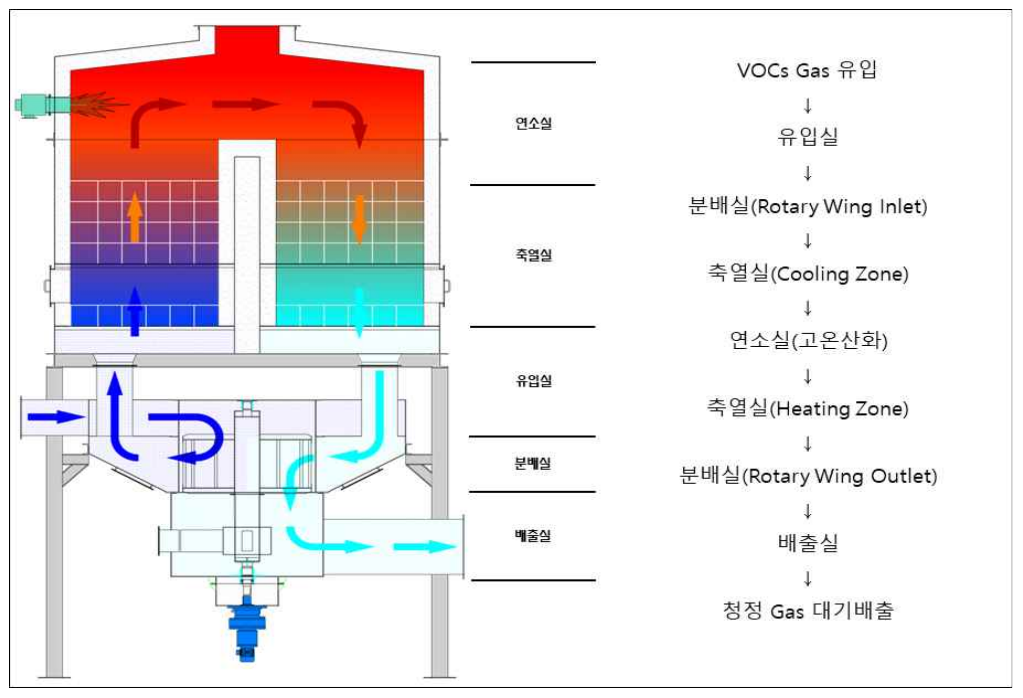
Roughly 150 pages of development records included a sliding silicone-rubber horizontal seal dated 19 August 2008 and a structure with two Teflon-coated members around a horizontal bar dated 1 November 2008. The structure was first applied to an RTO that November. Inventor statements concerning assignment upon completion, subsequent standardization and corporate acquisition records supported the company’s chain of entitlement by 2010.
Compare the claimed invention, not isolated drawings
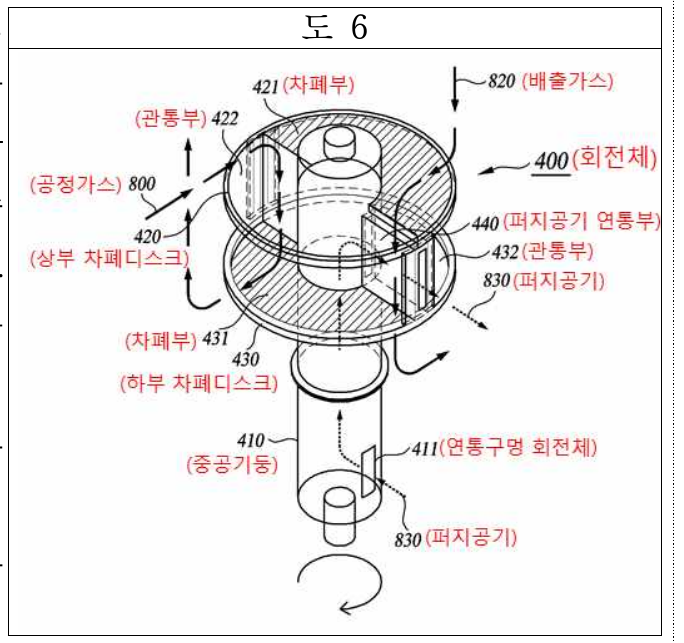
The court compared claims 1–16 with the earlier development. In claim 1, a connecting body between the inside and outside of a duct performed an ordinary function without a distinct technical effect. Claim 6 did not contain the limitations on disc number and opening area advanced by the defendant. Claim construction therefore preceded the assessment of identity.
Why a different fixing shape was insufficient
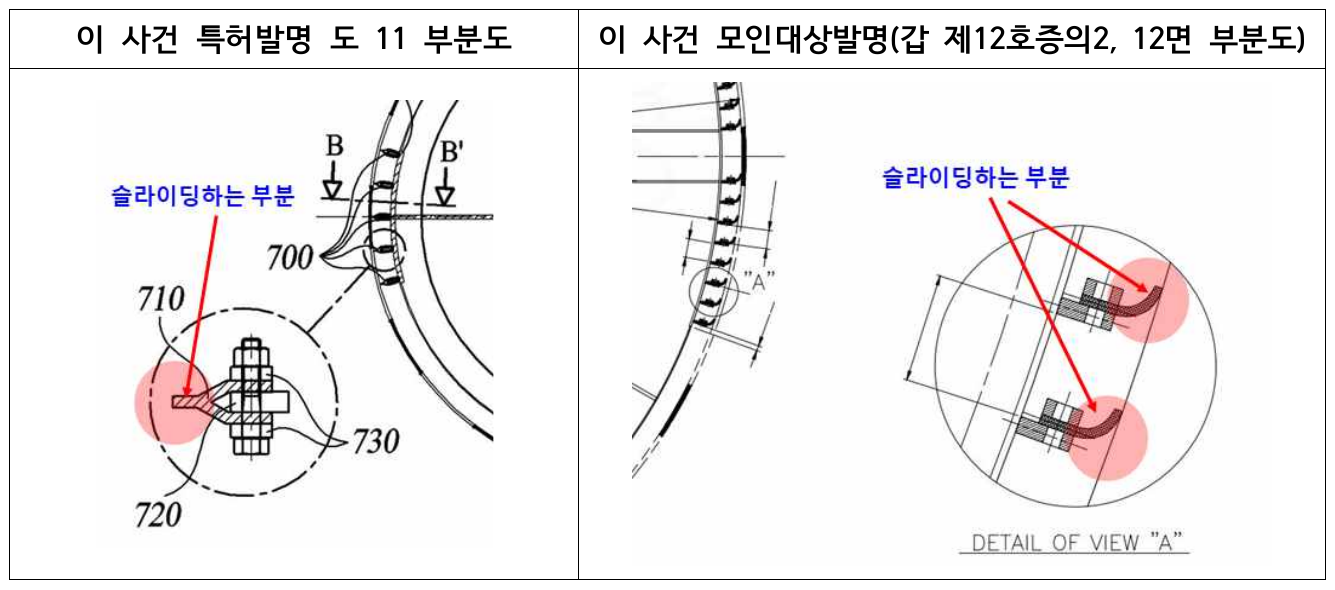
For claim 15, changing an I-shaped fixing structure to a Y-shaped one could strengthen fixing, but the sliding contact and sealing effect remained materially the same. The court treated the change as an expected improvement in fixing, accompanied by more complicated manufacture, rather than a departure from the earlier inventive concept. The decision does not mean that every geometrical change is immaterial.
Derivation required a body of evidence
The defendant produced no persuasive contemporaneous notes, sketches or experimental data of independent development. Presentation materials, their naming and uncertain provenance, access to the company’s shared server, manufacturing arrangements and involvement in standardization meetings were assessed together. Another former employee’s removal of information also formed part of the factual background. A job title or access right alone was not the whole basis for the finding.
Practical implications
Preserve dated technical records, inventor-to-company transfers and evidence linking the earlier invention to each claim. A patent-transfer action, criminal trade-secret proceedings and separate validity or correction proceedings address different issues. This judgment concerns recovery of title on the proved facts; it is not a general finding on every patent or a claim that IPLEX represented a party.
The original figure labels and forms are preserved; the text explains the source material.