

A rat-trap box and two procedural requirements
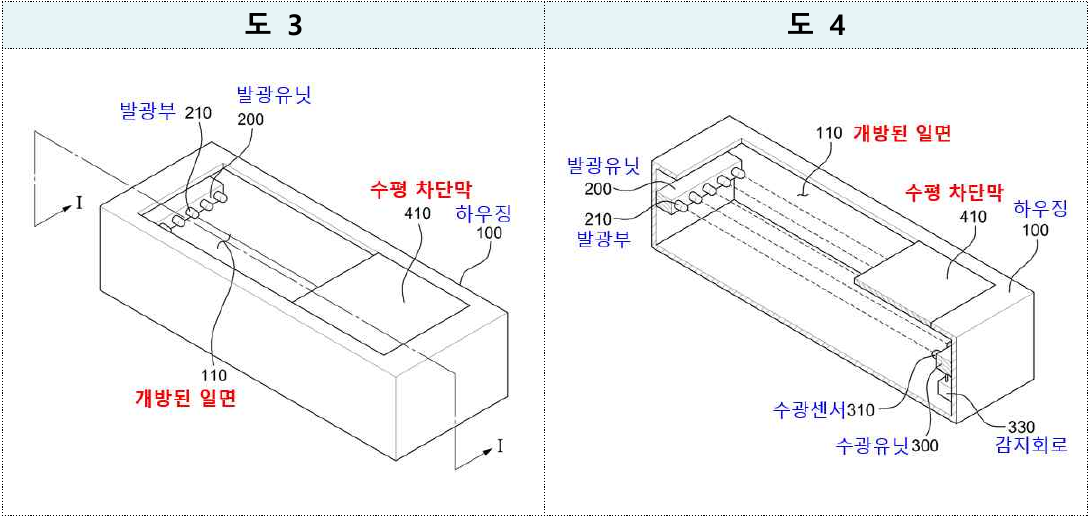
The Korean Patent Court’s 19 August 2026 judgment, 2025Heo10551, concerns patent No. 10-1099946 for an area-detection sensor and pest trap, filed on 23 June 2009 and registered on 21 December 2011. Claim 1 includes a housing, emitters, receivers, a detection circuit and a horizontal light barrier; claim 2 adds a vertical barrier. The patentee filed a positive scope petition on 18 August 2023 concerning a rat-trap box with entry and bait sections divided by a gate partition.
Comparable does not mean identical to the claim
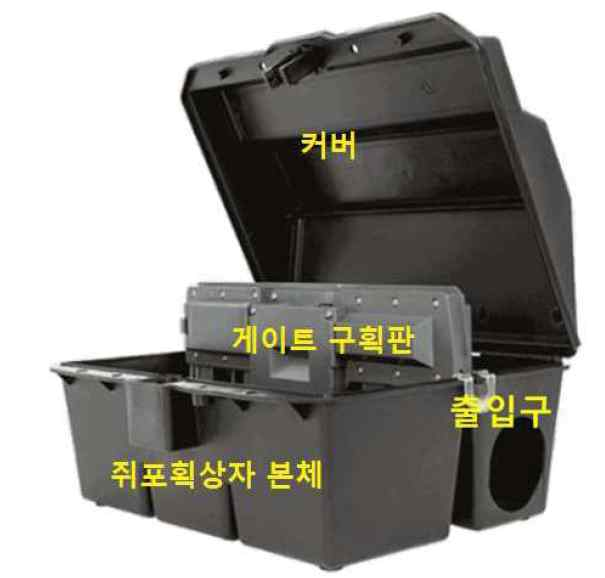
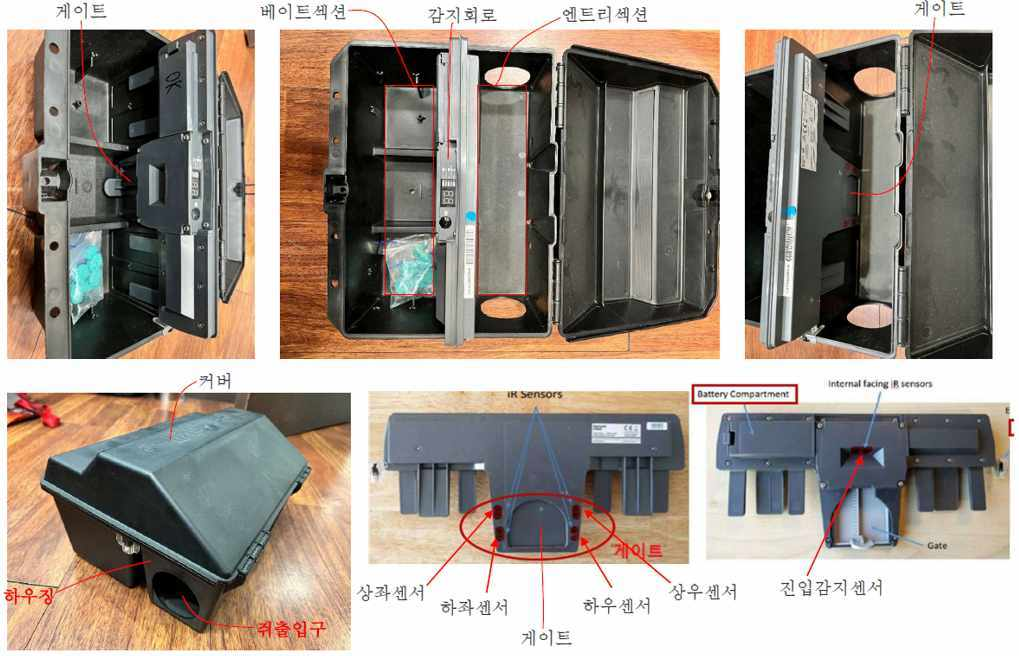
IPTAB dismissed the petition as inadmissible on 10 September 2025, decision 2023Dang2774, questioning both the definition of the target and its identity with the actual product. The relevant description and drawings had been amended on 20 June 2025. The court read them together: conical infrared dispersion, the cover and gate partition were sufficiently described to compare claims 1 and 2. A visible difference from parallel emission or the patented horizontal barrier did not itself make the target indefinite. Claims 3–9 lacked corresponding specific features and were not pursued as falling within scope.
Each sensor had to be read separately
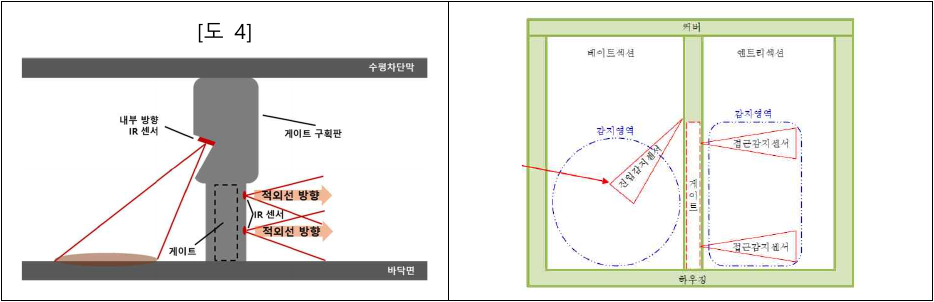
The actual bait-section sensor pointed downward, whereas the description referred to horizontal infrared emission. The court held that the horizontal wording described the entry-side approach sensors, whose radiation included a horizontal region. It did not describe the separate bait-side entry sensor. Both the target and the product had the corresponding arrangements; the patentee identified the four entry-side sensors as corresponding to the claimed emitters. Reading location, role and diagrams together resolved the alleged inconsistency.
A partial procedural reversal, not an infringement ruling
The court annulled the inadmissibility decision for claims 1 and 2 and rejected the remaining challenge concerning claims 3–9. It did not decide that the rat-trap box infringed or fell within claims 1 and 2. The practical task is to map each asserted claim to a precisely described actual component, distinguish similar sensors by position and function, and retain accurate drawings. Whether that comparison ultimately establishes patent scope is a separate merits question.
The original figure labels and forms are preserved; the text explains the source material.